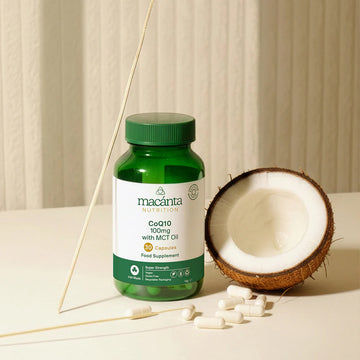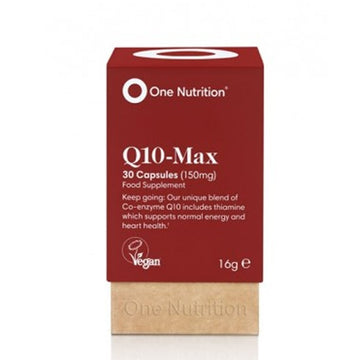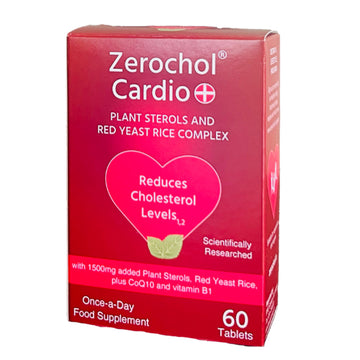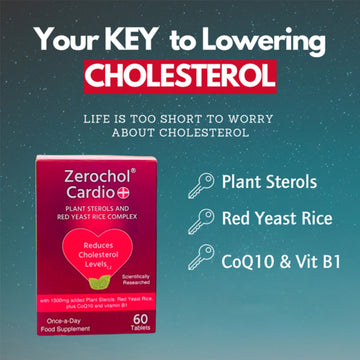


Coenzyme Q10 (CoQ10) might not be a household name — but it’s working behind the scenes in every single cell of your body.
Often described as the body’s “spark plug”, CoQ10 plays a central role in how we produce energy. As we age, natural levels decline — and that’s why it has become one of the most popular supplements for heart health, energy support and healthy ageing.
What is Coenzyme Q10?
CoQ10 (also known as ubiquinone or its active form, ubiquinol) is a naturally occurring compound found in the mitochondria — the “power stations” of our cells.
Its two main roles are:
-
Supporting cellular energy production (ATP)
-
Acting as an antioxidant to help protect cells from oxidative stress
CoQ10 is especially concentrated in organs that require a lot of energy — such as the heart, brain and muscles.
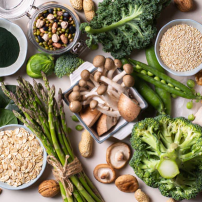
We can produce CoQ10 ourselves, and small amounts are found in foods like oily fish, organ meats and wholegrains. However, levels gradually decline from our 30s onwards.
What Are the Benefits of CoQ10?
1. CoQ10 for Energy Support
Because CoQ10 is directly involved in ATP production (the body’s energy currency), it is commonly taken to support:
-
Daily energy levels
-
Active lifestyles
-
Exercise performance
-
Healthy ageing
Research continues to explore how maintaining healthy CoQ10 levels may support mitochondrial function — the system responsible for producing cellular energy.
2. CoQ10 and Heart Health
The heart contains one of the highest concentrations of CoQ10 in the body due to its constant energy demand.
Clinical research over the past decade has examined CoQ10’s potential role in supporting cardiovascular health. Some studies suggest supplementation may help support heart function in certain individuals, particularly those with lower CoQ10 levels.
If you are taking medication for heart health, always consult your GP or pharmacist before supplementing.
3. CoQ10 and Statins
Statin medications lower cholesterol by blocking a pathway that also plays a role in CoQ10 production. As a result, statins may reduce natural CoQ10 levels.
Some individuals choose to supplement with CoQ10 while taking statins to support general wellbeing and muscle comfort. If you are taking statins, it’s important to discuss supplementation with your GP or pharmacist first.
4. CoQ10 and Migraine Research
Emerging studies have explored the relationship between CoQ10 and migraine frequency. Researchers believe this may relate to how the brain manages cellular energy.
While results are promising, migraine management should always be discussed with a medical professional.
Ubiquinone vs Ubiquinol: What’s the Difference?
When shopping for a CoQ10 supplement, you’ll notice two forms:
-
Ubiquinone – the standard, widely studied form
-
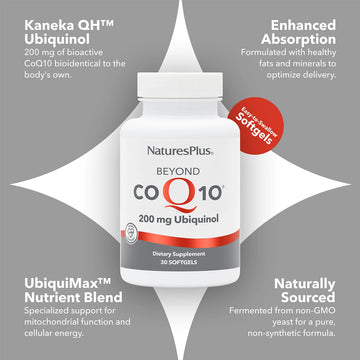
Ubiquinol – the active, more bioavailable form
Ubiquinol is often recommended for adults over 40, as the body becomes less efficient at converting ubiquinone into its active form with age. Both forms can help maintain healthy CoQ10 levels — the best choice depends on individual needs. Take a look at our blog for more information.
How Much CoQ10 Should You Take?
The body makes its own CoQ10, and there is no official recommended daily allowance.
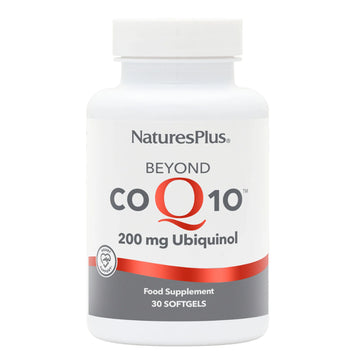
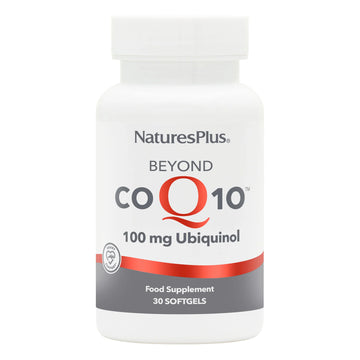
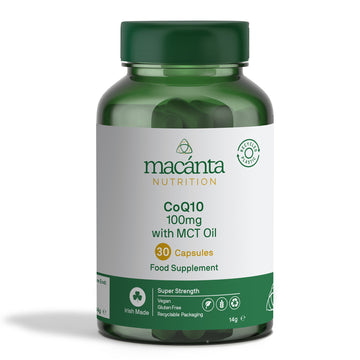
Typical supplemental doses used in research range from 100–200mg daily, although higher amounts may be used under medical supervision. Most diets provide only small amounts (generally estimated at 3–6mg per day).
As we age — and particularly during periods of stress or illness — natural production may reduce.
Food Sources of CoQ10
CoQ10 is found naturally in:
-
Sardines
-
Mackerel
-
Beef
-
Organ meats (such as liver and kidney)
-
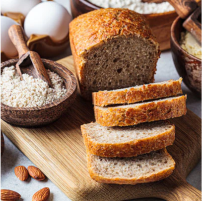
Wholegrains
However, it is difficult to obtain meaningful levels from food alone.
Who Should Consider a CoQ10 Supplement?
A Coenzyme Q10 supplement may be considered by:
-
Adults over 40
-
Individuals taking statins (with medical guidance)
-
Those looking to support heart health
-
People seeking support for energy and vitality
If you are pregnant, breastfeeding or taking medication, consult a healthcare professional before use.
Frequently Asked Questions About CoQ10
Is CoQ10 safe to take daily?
CoQ10 is generally well tolerated when taken at recommended doses. Always follow product guidelines or professional advice.
How long does CoQ10 take to work?
Some individuals report noticing benefits within a few weeks, though research studies typically assess outcomes over 8–12 weeks.
Should I take CoQ10 with food?
Yes. CoQ10 is fat-soluble, so it is best taken with a meal containing healthy fats for optimal absorption.
Shop CoQ10 in Ireland
At Evergreen Healthfoods, we stock a carefully selected range of high-quality CoQ10 supplements, including both ubiquinone and ubiquinol options.
Visit us in-store in Galway or explore our full range online to find the right CoQ10 supplement for you.
Please note, this blog is for informational purposes only and should not replace medical advice.
It’s always best to consult your doctor before taking any new supplements, treatments or remedies if you are pregnant, breastfeeding or on medication.
Are you looking for more nutritional advice? Then read our blog 'What is Cacao? Plus How to Use this Superfood'.
Checked and updated: 25th February 2026
References