

Fibre: Benefits, How Much You Need & How to Get More
Fibre is an important part of a healthy, balanced diet, yet many of us don't eat as much as recommended.
From wholegrains and beans to fruit, vegetables, nuts and seeds, there are plenty of simple ways to add more fibre to your day. Fibre supplements can also provide a convenient additional source for people who find it difficult to get enough through food alone.
So, what exactly is fibre, why does it matter and how can you increase your intake without completely changing the way you eat?
What Is Fibre?
Dietary fibre is the part of plant foods that isn't completely broken down during digestion. Instead, it travels through the digestive system, where different types of fibre have different roles.
You may hear fibre described as soluble, insoluble or prebiotic fibre.
Soluble Fibre
Soluble fibre absorbs water and forms a gel-like substance in the digestive system. It's found in foods including oats, beans, apples, chia seeds, flaxseeds and psyllium.
Insoluble Fibre
Insoluble fibre doesn't dissolve in water and helps add bulk to the contents of the digestive system. Wholegrains, nuts, seeds and the edible skins of many fruits and vegetables are good sources.
Prebiotic Fibre
Prebiotic fibres pass through the upper digestive system before being used by certain bacteria in the gut. Foods including onions, garlic, oats, bananas, beans and other plant foods can provide prebiotic fibres.
You don't need to concentrate on getting one particular type. Eating a varied range of plant foods is one of the simplest ways to include different sources of fibre in your diet.
What Is Fibremaxxing?
The term fibremaxxing has become popular on TikTok and other social media platforms. Essentially, it means making a conscious effort to significantly increase the amount of fibre in your diet.
While it's encouraging to see more attention being paid to fibre, you don't need to “max out” your intake to benefit from eating more fibre-rich foods.
Increasing fibre very quickly can also leave some people feeling bloated or uncomfortable. A more practical approach is to gradually introduce additional fibre while drinking enough fluid.
How Much Fibre Do You Need?
UK dietary guidance recommends that adults aim for around 30g of fibre each day as part of a healthy, balanced diet.
Rather than becoming too focused on counting every gram, think about where you can introduce more fibre-rich foods throughout your day.
For example, choosing wholegrain breakfast cereals or oats, adding beans or lentils to meals, snacking on fruit or nuts and including plenty of vegetables can all contribute to your daily intake.
What Are the Benefits of Fibre?
Fibre isn't one single nutrient with one single function. Different types of fibre behave differently in the body, which is another reason why variety is important.
Fibre and Digestive Health
Fibre is perhaps best known for its role in digestive health.
Certain types of fibre absorb water, while others add bulk to stools. Getting enough fibre, alongside adequate fluid, is an important part of supporting normal bowel function.
Fibre and the Gut Microbiome
Some types of fibre also provide a food source for bacteria living in the gut.
These are often referred to as prebiotic fibres. When gut bacteria break down certain fibres, they produce substances called short-chain fatty acids.
You don't need to understand the science to benefit from them. The practical message is much simpler: eating a wide variety of fibre-rich plant foods helps provide nourishment for the diverse community of bacteria living in your gut.
Fibre and Feeling Fuller
Fibre-rich foods can also be satisfying because many take longer to eat and digest than highly refined foods. Foods such as oats, beans, lentils, wholegrains, fruit, vegetables, nuts and seeds can therefore form a useful part of balanced, filling meals.
What Foods Are High in Fibre?
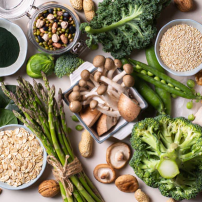
One of the best ways to increase your fibre intake is to eat a wider variety of plant foods.
Good sources include:
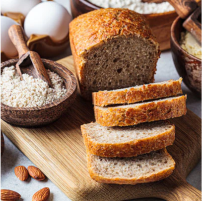
- Wholegrains such as oats, wholemeal bread, brown rice and wholegrain pasta
- Beans and pulses including lentils, chickpeas, kidney beans and peas
- Fruit such as apples, pears, berries, oranges and bananas
- Vegetables including broccoli, carrots, peas and potatoes with their skins
- Nuts and seeds such as almonds, chia seeds, flaxseeds and pumpkin seeds
- Psyllium husk, which is particularly rich in soluble fibre
You don't have to overhaul your diet overnight. Small changes across several meals can make increasing your fibre intake much easier.
How Can You Increase Your Fibre Intake?
A few simple swaps and additions can help:
- Choose wholegrain bread, pasta, rice and cereals more often.
- Add beans, chickpeas or lentils to soups, curries, salads and stews.
- Include vegetables with your main meals.
- Choose whole fruit rather than juice more often.
- Leave edible skins on fruit and vegetables where appropriate.
- Add nuts or seeds to porridge, yoghurt or salads.
- Snack on fruit, vegetables, nuts or seeds.
- Experiment with a wider variety of plant foods rather than relying on the same few choices.
Making one or two manageable changes at a time can be easier than trying to dramatically increase your fibre intake in one go.
Should You Increase Fibre Gradually?
If your usual diet is relatively low in fibre, it's sensible to increase it gradually. Adding a large amount of fibre very quickly can cause temporary bloating, wind or digestive discomfort for some people.
Give your digestive system time to adjust and remember that fluid is important too, particularly as you increase your intake of fibre-rich foods.
What Are Fibre Supplements?
Food should be the starting point for increasing fibre, as fibre-rich foods also provide a wide range of other nutrients.
However, fibre supplements can provide a convenient additional source for people who find it difficult to get enough fibre through their everyday diet.
There are several different types available.
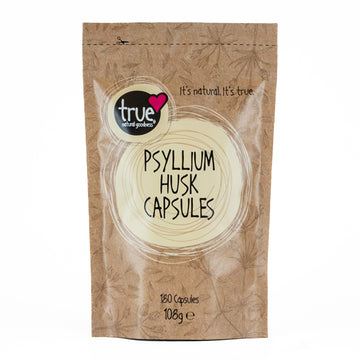
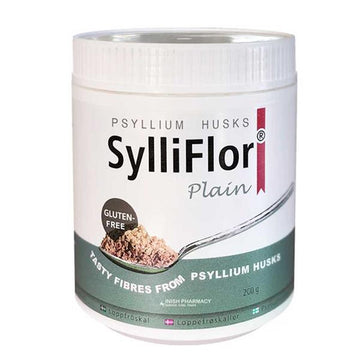
Psyllium Husk
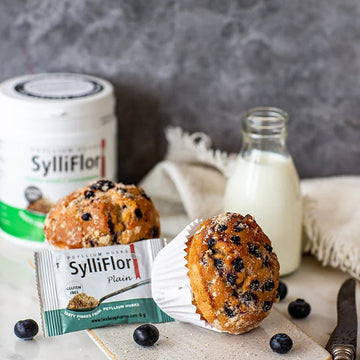
Psyllium is a plant-derived source of soluble fibre. When mixed with liquid, psyllium absorbs water and forms a gel.
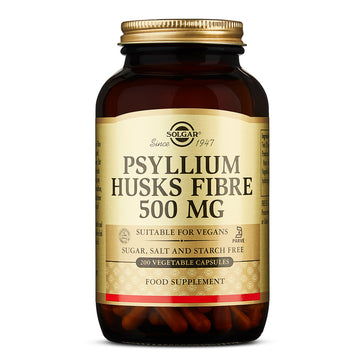
It can be found as whole husks, powders and capsules.
Prebiotic Fibre
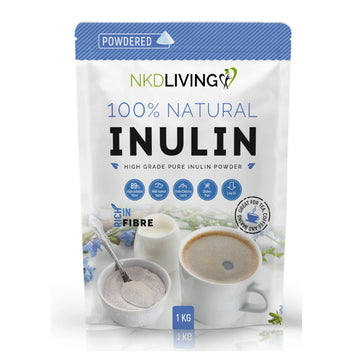
Some fibre supplements contain prebiotic fibres such as inulin, either on its own or as part of a fibre blend. These provide a food source for certain bacteria in the gut.
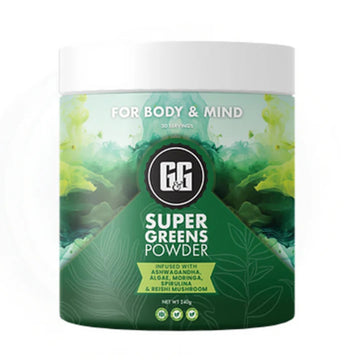
Fibre Powders and Blends
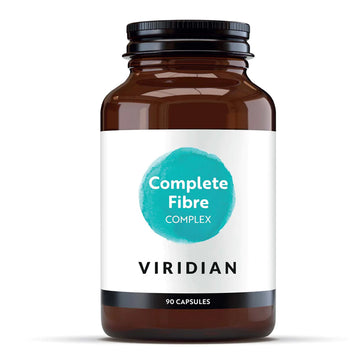
Fibre powders may contain one source of fibre or a combination of several types. Many can be mixed into water, smoothies or food, making them a convenient way to add fibre to your diet.
Capsules are another option for people who prefer not to use powders.
When choosing a supplement, check the type and amount of fibre provided per serving and follow the individual product's directions.
Explore our fibre supplements to compare different types and formats.
Do You Need a Fibre Supplement?
Not necessarily.
For most people, increasing the amount and variety of fibre-rich foods in the diet is the best place to start.
A fibre supplement can be a useful addition when getting enough through food is difficult or when you're looking for a convenient additional source of fibre. It shouldn't replace a varied and balanced diet.
If you're unsure whether a particular fibre supplement is suitable for you, especially if you have an existing digestive or medical condition or take medication, speak to a pharmacist, GP or qualified healthcare professional.
The Bottom Line
Fibre deserves a place in our everyday diets, but there's no need to take the idea of “fibremaxxing” to extremes.
Eating a varied range of wholegrains, beans and pulses, fruit, vegetables, nuts and seeds is a great place to start. Build your intake gradually, drink enough fluids and aim for variety rather than concentrating on one particular type of fibre.
If getting enough fibre through food is difficult, fibre supplements such as psyllium and prebiotic fibre can provide another convenient option alongside a balanced diet.
Author: Eleanor Faulkner, BSc, Nutrition Advisor at Viridian Nutrition. Eleanor holds a BSc (Hons) degree in Food Technology with Nutrition.
Evergreen – Good Health, Naturally.
Updated 2nd September 2026