

CoQ10 and Statins: What Does the Research Say?
If you take a statin, you may have come across advice suggesting that CoQ10 supplements can help with muscle aches or tiredness.
There is a reason the two are often discussed together. Statins can reduce levels of Coenzyme Q10 in the body, and researchers have investigated whether this might be linked to some of the muscle symptoms experienced by people taking statins.
But does taking CoQ10 actually help? The answer is not completely clear, so here’s what the research currently tells us.
What Are Statins?
Statins are medicines used to lower cholesterol and reduce the risk of cardiovascular events such as heart attack and stroke. They are widely prescribed, particularly for people who have cardiovascular disease or are considered to be at higher risk.
Statins are effective medicines, but like all medications, they can cause side effects in some people. Muscle pain, weakness and tiredness are among the symptoms that can occur. If you think a statin is causing side effects, speak to your doctor rather than stopping treatment yourself.
What Is CoQ10?
Coenzyme Q10, usually shortened to CoQ10, is a naturally occurring substance found throughout the body.
It is involved in the processes our cells use to produce energy and is found in particularly high concentrations in tissues with greater energy requirements.
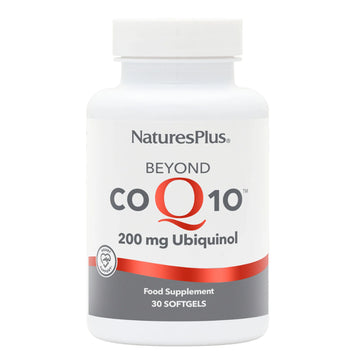
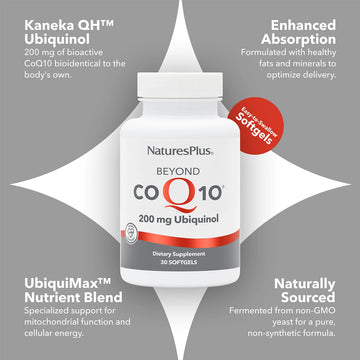
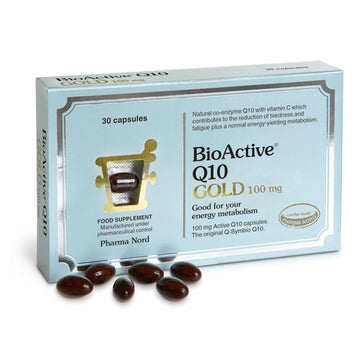
CoQ10 is also available as a food supplement in forms including ubiquinone and ubiquinol.
You can read more in our guide to What Is CoQ10? or browse our full range of CoQ10 supplements.
Why Are CoQ10 and Statins Linked?
Statins work by blocking an enzyme involved in the body's production of cholesterol. That same pathway is also involved in the production of CoQ10, which means statin treatment can reduce circulating CoQ10 levels.
This has led researchers to question whether reduced CoQ10 might contribute to statin-associated muscle symptoms, sometimes shortened to SAMS. It is a plausible theory, but lower CoQ10 levels have not been proven to be the sole cause of muscle symptoms in people taking statins.
Can CoQ10 Help With Statin-Related Muscle Symptoms?
This is where the evidence becomes mixed. Some clinical trials and reviews have found that CoQ10 supplementation may help reduce muscle pain or other muscle symptoms in people taking statins.
A 2025 systematic review and meta-analysis of seven randomised controlled trials found a modest overall reduction in statin-associated muscle pain with CoQ10 supplementation, although the authors also said more research is needed before firm recommendations can be made.
However, earlier research has not always found the same result. A 2020 systematic review and meta-analysis found no significant improvement in muscle pain or statin adherence compared with placebo.
So at present, it is more accurate to say that CoQ10 may help some people with statin-associated muscle symptoms, but the evidence is not strong enough to say that it will help everyone.
Should Everyone Taking a Statin Take CoQ10?
No. CoQ10 is not routinely recommended for every person who takes a statin.
If you are taking a statin and have no muscle symptoms, there is no clear evidence that you need to add CoQ10 simply because you are taking the medication.
If you are experiencing muscle pain, weakness or unusual tiredness, speak to your doctor or pharmacist first. There can be several possible causes, and your healthcare professional may want to review your statin, dose, other medicines or general health.
Should You Stop Taking a Statin If You Have Muscle Pain?
No — not without speaking to your doctor. Statins are prescribed to reduce cardiovascular risk, and stopping them without medical advice may increase that risk.
If you experience side effects, your doctor may be able to:
- adjust your dose
- try a different statin
- review other medicines that could be contributing
- investigate other causes of muscle symptoms
- discuss whether a supplement such as CoQ10 is appropriate for you
The important thing is to review symptoms rather than simply stopping treatment.
Can CoQ10 Interact With Medication?
CoQ10 can interact with some medicines, so it is worth checking before starting a supplement. This is particularly important if you take prescription medication or have an existing medical condition.
If you are taking a statin and considering CoQ10, speak to your GP or pharmacist first so they can advise based on your individual circumstances.
Which CoQ10 Supplement Should You Choose?
If a healthcare professional has advised that CoQ10 is appropriate for you, you will find different strengths and forms available.
Common options include:
- ubiquinone
- ubiquinol
- capsules
- softgels
- liquid CoQ10
The right option will depend on your individual needs and the advice you have been given.
Our guide to Ubiquinol vs Ubiquinone explains the difference between the two forms, while our CoQ10 Supplements collection lets you compare available products.
The Evergreen View
There is a genuine scientific reason why CoQ10 and statins are often discussed together, and some studies suggest CoQ10 may help with statin-associated muscle symptoms.
But the research is not consistent enough to say that everyone taking a statin should also take CoQ10.
If you are experiencing muscle symptoms while taking a statin, speak to your doctor or pharmacist first. They can help determine the cause and advise whether CoQ10 or another approach is appropriate for you.
Evergreen – Good Health, Naturally.
Looking to find out more about Coenzyme Q10? Read up on its benefits.
Please note, this blog is for informational purposes only and should not replace medical advice.
It’s always best to consult your doctor before taking any new supplements, treatments or remedies if you are pregnant, breastfeeding or on medication.
Checked and updated: 8th September 2026