

Digestive discomfort can affect almost everyone from time to time. Bloating, gas, changes in bowel habits or simply feeling uncomfortable after eating can all leave you wondering whether your digestion could use a little extra support.
There isn't one supplement that's right for every digestive concern. Your digestive health can be influenced by everything from the foods you eat and how much fibre you get to hydration, stress, lifestyle and the microorganisms living in your gut.
Depending on your individual needs, supplements such as probiotics, fibre, digestive enzymes and lactase may have a role to play alongside a balanced diet and healthy lifestyle.
Here, we'll look at some of the most popular supplements for digestive health, how they differ and what to consider when choosing one.
What does the Digestive System do?
Your digestive system does much more than simply process food.
It breaks food down into nutrients that can be absorbed and used by the body. These nutrients contribute to everything from energy metabolism to the normal growth, repair and functioning of cells.
The digestive system also helps move waste through the intestines and out of the body.
Another important part of digestive health is the gut microbiome – the enormous community of microorganisms that naturally live within the digestive tract. Diet, lifestyle and other factors can all influence the composition of this microbial community.
Supporting digestive health therefore isn't about one particular food or supplement. A varied diet, sufficient fibre, adequate hydration, regular movement and healthy lifestyle habits all have a part to play.
The best supplements for digestive health
The best digestive supplement will depend on what you're looking to support.
Someone interested in their gut microbiome, for example, may be considering probiotics or prebiotics, while someone who has difficulty digesting lactose may be looking for lactase.
Here are some of the main options you'll come across.
Probiotics - Great for Overall Digestive Health
Probiotics are live microorganisms that are found in certain foods and supplements.
Although we often hear bacteria spoken about negatively, our digestive tract naturally contains an enormous and diverse community of microorganisms. Collectively, these microorganisms and their genetic material form part of what we call the gut microbiome.
Probiotic supplements can contain different species and strains of microorganisms, and these aren't necessarily interchangeable. When choosing a probiotic, it's worth looking beyond the number of colony-forming units (CFUs) and considering which strains are included and whether the product is suitable for your individual needs.
Probiotics can also be found naturally in some fermented foods.
If you're new to probiotics, our guide to probiotics, strains and how to choose one can help you understand what to look for.
Prebiotics
Probiotics and prebiotics may sound similar, but they aren't the same thing.
Prebiotics are substrates that are selectively used by microorganisms in the gut and can provide a health benefit. Certain types of dietary fibre can have prebiotic effects.
Foods containing prebiotic fibres include foods such as onions, garlic, leeks, asparagus, bananas and oats.
You'll also find prebiotic ingredients such as inulin and fructooligosaccharides (FOS) in some supplements.
Think of it simply: probiotics introduce particular live microorganisms, while prebiotics provide substrates that certain microorganisms can use.
For a closer look at the difference, read our guide to prebiotics vs probiotics.
Digestive Enzymes
Digestive enzymes help break the food we eat down into smaller components that the body can absorb.
Your body naturally produces a variety of digestive enzymes, including:
- Amylase, which helps break down carbohydrates
- Protease, which helps break down proteins
- Lipase, which helps break down fats
- Lactase, which helps break down lactose
Digestive enzyme supplements may contain one enzyme or a combination of several enzymes, so the right product depends on what you're looking for.
Lactase - Lactose Intolerance
Lactose is the naturally occurring sugar found in milk and many dairy products.
Normally, the enzyme lactase breaks lactose down in the small intestine. People who have difficulty digesting lactose produce insufficient lactase to digest the amount of lactose consumed.
Avoiding or reducing particular dairy foods is one option, and Evergreen also has a wide range of dairy-free foods.
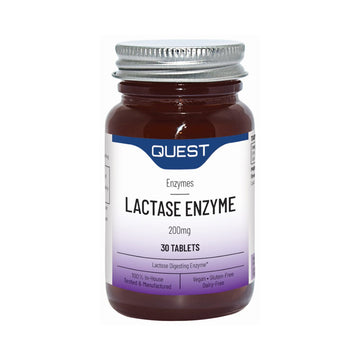
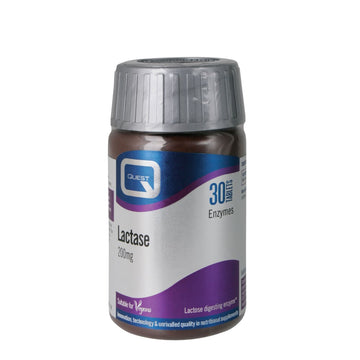
Alternatively, lactase supplements such as Quest Lactase Enzyme can be taken alongside foods containing lactose.
Lactase enzyme improves lactose digestion in individuals who have difficulty digesting lactose. Tolerance to lactose varies, so anyone with difficulty digesting it should seek advice regarding its role in their diet.
Take a look at our blog Digestive Enzymes - What They Are and How To Choose One for more information
Fibre - Constipation
Fibre is an important part of a healthy, balanced diet and contributes to digestive and bowel health.
There are different types of dietary fibre, which behave differently as they pass through the digestive system.
Soluble Fibre
Soluble fibre dissolves or swells in water and can be found in foods including:
Some soluble fibres are fermented by bacteria within the large intestine.
Insoluble Fibre
Insoluble fibre doesn't dissolve in water and helps add bulk to stools. Sources include:
- Whole grains
- Wheat bran
- Nuts
- Seeds
- Some fruits and vegetables
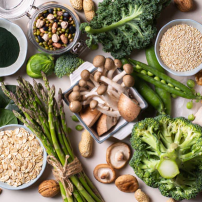
Rather than focusing on one type, eating a varied plant-rich diet can help provide a mixture of different fibres.
How Much Fibre Do We Need?
Adults should aim for around 30g of fibre each day as part of a balanced diet.
If your current diet is relatively low in fibre, it's generally sensible to increase your intake gradually. Suddenly eating substantially more fibre can leave some people feeling bloated or uncomfortable.
It's also important to drink enough fluids when increasing your fibre intake.
Fibre supplements can provide another way of increasing fibre intake where required. Ingredients such as psyllium husk are commonly used in fibre supplements.
For more information, see our guide to fibre and gut health.
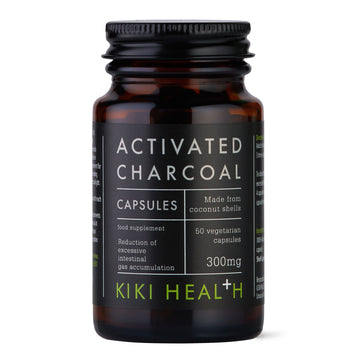
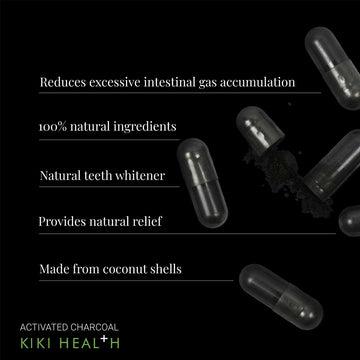
Activated Charcoal Tablets
Activated charcoal is produced by processing carbon-rich materials to create a highly porous substance.
Rather than "absorbing toxins", as activated charcoal is sometimes described as doing, its porous surface allows substances to bind to it through a process known as adsorption.
Activated charcoal can contribute to reducing excessive flatulence after eating when consumed in the quantities and at the times required for the authorised health claim.
It's important to remember that activated charcoal can also affect the absorption of some medicines. If you take medication, speak to your pharmacist or healthcare professional before using it.
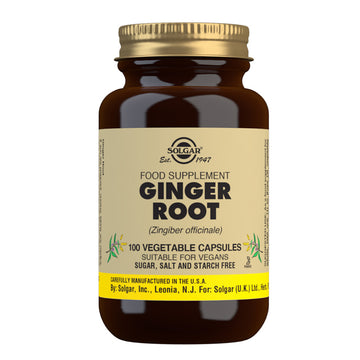
Ginger - Stomach Aches
Ginger has a long history of use as both a food and traditional herbal ingredient.
Fresh ginger can easily be incorporated into cooking or steeped in hot water to make a warming drink. Ginger is also available in capsules, tablets and other supplement formats for those who prefer a convenient alternative.
Rather than relying on ginger to "cure" digestive symptoms, think of it as one of several traditional ingredients that can form part of a balanced approach to digestive wellbeing.
Peppermint and Other Digestive Herbs
Peppermint is another herb with a long history of traditional use and is commonly enjoyed after meals as peppermint tea.
Other herbs and botanicals commonly associated with traditional digestive preparations include fennel and artichoke.
Different herbal preparations can have very different uses and concentrations, so always follow the directions provided with the individual product.
What About Apple Cider Vinegar?
Apple cider vinegar has become an increasingly popular wellness product and is available as a traditional liquid as well as tablets and gummies.
Evergreen offers options including Attyflin Estate Irish Apple Cider Vinegar with the Mother, New Nordic Apple Cider and True Natural Goodness Organic Apple Cider Vinegar
You'll often see wide-ranging claims made about apple cider vinegar online, particularly in relation to digestion, "detoxing" and weight management. Evidence for many of these claims is limited, so it's worth being cautious about treating apple cider vinegar as a solution to digestive problems.
If you enjoy using it, apple cider vinegar can be incorporated into foods such as dressings and marinades or taken according to the instructions provided with a suitable supplement.
Which Digestive Supplement Should I Choose?
With so many digestive supplements available, it can be difficult to know where to start.
A useful first step is to think about what you're actually hoping to support.
| If you're interested in… | You might want to learn more about… |
|---|
| The gut microbiome | Probiotics and prebiotics |
| Increasing your fibre intake | Dietary fibre and psyllium |
| How food is broken down | Digestive enzymes |
| Difficulty digesting lactose | Lactase |
| Excessive intestinal gas after eating | Activated charcoal |
| Traditional herbal digestive support | Ginger, peppermint and other digestive herbs |
This isn't a diagnostic guide, and digestive symptoms can have many different causes. If you're unsure what's appropriate for you, speak to a healthcare professional rather than trying a succession of different supplements.
Supporting Your Digestive Health
Good digestive health isn't about finding a single miracle supplement.
A varied, fibre-rich diet, sufficient fluids, regular movement and other healthy lifestyle habits provide the foundation. Supplements can then offer targeted nutritional support where they're appropriate for your individual needs.
At Evergreen, you'll find a wide range of probiotics, dietary fibre, digestive enzymes, traditional herbal products and other digestive health supplements, along with friendly advice to help you understand the options available.
You can also learn more about the microorganisms that live within your digestive tract in our guide to Bacteria and Our Digestive System.
This article is for informational purposes only and should not replace medical advice. Speak to your doctor, pharmacist or another appropriate healthcare professional before taking a new supplement if you have a medical condition, take medication, are pregnant or breastfeeding, or have persistent digestive symptoms.
Please note, this blog is for informational purposes only and should not replace medical advice.
It’s always best to consult your doctor before taking any new supplements, treatments or remedies if you are pregnant, breastfeeding or on medication.
Checked and updated: 18th August 2026