

IBS: Symptoms, Common Triggers & How to Manage Them
Irritable bowel syndrome (IBS) is a common digestive condition that can affect people in very different ways. For some, constipation is the main concern. For others, it might be diarrhoea, bloating or stomach cramps – and symptoms can change over time.
Living with IBS can be frustrating, particularly because there isn't always an obvious reason for a flare-up. Food can play a part, but so can stress, changes in routine and other lifestyle factors.
The good news is that understanding your own symptoms and triggers can make IBS easier to manage. Here, we look at what IBS is, some of the most common IBS triggers and the diet and lifestyle changes that may help.
What Is IBS?
Irritable bowel syndrome, usually shortened to IBS, is a condition that affects the digestive system. Common symptoms include:
-
stomach pain or cramping
-
bloating
-
diarrhoea
-
constipation
-
wind
-
changes in bowel habits
Symptoms tend to come and go. You might have periods when IBS has little impact on everyday life, followed by times when symptoms become much more noticeable.
The exact cause of IBS isn't fully understood. It has been linked with factors including how quickly or slowly food moves through the gut, increased sensitivity within the gut, previous gastroenteritis and the relationship between the gut and the brain.
What Are the Different Types of IBS?
IBS is often described according to the type of bowel changes you experience.
IBS-C is IBS where constipation is predominant.
IBS-D is IBS where diarrhoea is predominant.
IBS-M is mixed IBS, where you experience both constipation and diarrhoea.
Symptoms can vary considerably from person to person, which is one reason there isn't a single diet or approach that works for everybody with IBS.
What Can Trigger IBS Symptoms?
One of the most useful things you can do when managing IBS is start to recognise your own triggers. IBS flare-ups can sometimes happen without an obvious cause, but common triggers can include:
-
certain foods
-
alcohol
-
caffeine
-
fizzy drinks
-
fatty or spicy foods
-
stress or anxiety
-
changes to your normal routine
What affects one person may have no effect on somebody else, so try not to unnecessarily remove lots of foods from your diet simply because they're commonly described as IBS triggers. Keeping a food and symptom diary for a few weeks can be a useful way of looking for patterns.
Food and IBS
There's no single "IBS diet". Instead, managing IBS through food is usually about understanding which foods, eating habits and types of fibre work best for you.
A good place to start is with the basics. Try to eat regular meals, avoid skipping meals or leaving very long gaps between them, and give yourself enough time to eat rather than rushing.
Staying well hydrated is also important. Water and non-caffeinated drinks are generally good choices, while it may be helpful to reduce your intake of alcohol, caffeine and fizzy drinks if you notice they aggravate your symptoms.
Rather than changing everything at once, make adjustments gradually. This makes it much easier to understand what is – and isn't – making a difference.
Fibre and IBS
Fibre is an important part of a balanced diet, but IBS makes the conversation around fibre a little more complicated. More fibre isn't necessarily better.
Different types of fibre can affect the digestive system differently, and increasing fibre too quickly may make bloating and discomfort worse for some people.
If you need to increase your fibre intake, soluble fibre may be better tolerated than insoluble fibre such as wheat bran. Sources of soluble fibre include oats and ispaghula, also known as psyllium.
The right approach will depend on your symptoms, particularly whether constipation or diarrhoea tends to be your main concern.
What About a Low-FODMAP Diet?
You may have come across the term low FODMAP when researching IBS.
FODMAPs are certain types of fermentable carbohydrates found naturally in a wide variety of foods. For some people with IBS, reducing these foods for a period may help identify particular dietary triggers.
However, a low-FODMAP diet can be quite restrictive and isn't intended to mean avoiding a long list of foods indefinitely.
If your IBS symptoms continue despite making general diet and lifestyle changes, speak to a doctor or registered dietitian. A healthcare professional with experience in IBS can help you explore approaches such as a low-FODMAP diet safely, including gradually reintroducing foods to establish what you personally tolerate.
The Gut-Brain Connection and IBS
Your digestive system and brain are in constant communication through what's often called the gut-brain axis. This helps explain why emotional wellbeing and digestion can feel so closely connected.
Stress doesn't mean IBS is "all in your head". IBS is a genuine digestive condition. However, stress and anxiety can trigger or worsen symptoms for some people.
Making space for relaxation, getting outdoors, regular movement and finding ways to manage periods of increased stress can therefore form part of a wider IBS management plan.
Can Exercise Help with IBS?
Regular movement is good for overall health and can form part of a healthy lifestyle when you have IBS. You don't need to start an intensive exercise programme. Walking, swimming, cycling, yoga or another activity you enjoy can all help you stay active.
If you're currently not very active, start gently and gradually build movement into your normal routine.
Probiotics and IBS
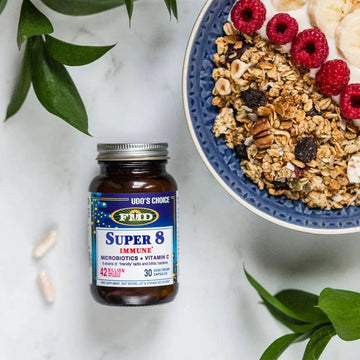
Probiotics are live microorganisms found in certain foods and supplements. Research into the gut microbiome has created considerable interest in whether probiotics may be useful for people with IBS. However, probiotics aren't all the same. Different products contain different strains and combinations of microorganisms, and individual responses can vary.
If you decide to try a probiotic, current guidance recommends taking the product at the manufacturer's recommended dose for at least four weeks while monitoring whether your symptoms change.
Rather than changing several supplements or parts of your diet simultaneously, introducing one change at a time can make it easier to judge whether it's actually helping.
Want to explore this in more detail? Read our guide to probiotics and IBS and discover what probiotics are and how they work.
What About Peppermint Oil?
Peppermint oil is another option you may come across when researching IBS.
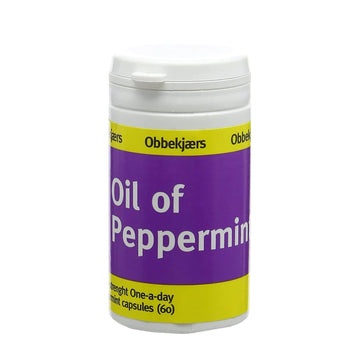
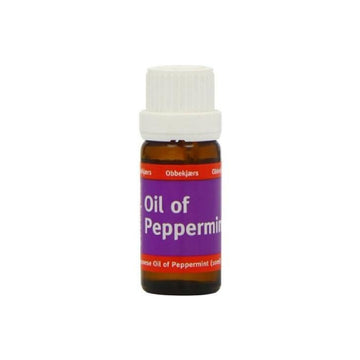
Peppermint oil preparations have been studied for IBS and may be considered for symptoms such as abdominal cramping. However, the formulation matters: swallowing essential oil directly or simply adding peppermint essential oil to water is not the same as using a product specifically formulated for oral use.
If you're considering a peppermint oil supplement, follow the product directions carefully and speak to your pharmacist, GP or another healthcare professional if you're unsure whether it's suitable for you.
Managing IBS: Start with the Basics
IBS is very individual, so managing it is often about finding the combination of changes that works for you.
Some useful starting points include:
-
eat regular meals and take your time eating
-
stay well hydrated
-
identify your personal food and drink triggers
-
consider keeping a food and symptom diary
-
review the amount and type of fibre you're eating
-
keep physically active
-
make time for rest and relaxation
-
avoid unnecessarily restrictive diets without professional guidance
-
introduce dietary or supplement changes one at a time
Most importantly, don't feel that you need to overhaul your entire diet at once. Small, considered changes can make it much easier to understand your individual digestive system.
When Should You Speak to Your Doctor?
Digestive symptoms shouldn't automatically be assumed to be IBS. If you think you may have IBS and you've had symptoms for more than four weeks, speak to your GP. There isn't one specific test for IBS, so your doctor may need to rule out other possible causes of your symptoms.
Seek medical advice promptly if you experience warning signs such as unexplained weight loss, bleeding from your bottom or bloody diarrhoea, a hard lump or swelling in your abdomen, or symptoms that could indicate anaemia, such as unusual shortness of breath, palpitations or pale skin.
If you've already been diagnosed with IBS but your symptoms change significantly or you're concerned about them, it's also worth speaking to your healthcare professional.
Finding What Works for You
There is no single solution for IBS, and what works well for one person won't necessarily work for another.
Understanding your own symptoms, recognising possible triggers and making considered changes to your diet and lifestyle can help you build a more personalised approach to digestive wellbeing.
If you're interested in learning more about your gut, explore our guides to probiotics, prebiotics and probiotics, fibre and digestive health.
This article is for informational purposes only and isn't intended to diagnose, treat or replace individual medical advice. Speak to your GP, pharmacist or another appropriately qualified healthcare professional if you have concerns about digestive symptoms or before making significant changes to your diet or supplements.
Checked and updated: 17th September 2026