

How to Support Your Immune System Naturally
Your immune system works hard every day, helping your body recognise and respond to infections. And while we often think about immune health when cold and flu season arrives, looking after your immune system is important all year round.
The good news? Supporting normal immune function doesn't have to be complicated. From eating a varied diet and getting enough sleep to making sure you're getting essential vitamins and minerals, there are plenty of everyday habits that can make a difference.
So, what does your immune system actually do, and how can you support it naturally? Let's take a closer look.
What Does Your Immune System Do?
Your immune system is your body's natural defence network. It includes white blood cells, organs, tissues and proteins that work together to recognise and respond to potentially harmful microorganisms. It's a complex system, and it needs a range of nutrients and healthy lifestyle habits to function normally.
Rather than trying to give your immune system a quick boost, it's more useful to focus on supporting its normal function consistently.
7 Ways to Support Your Immune System Naturally
1. Eat a Varied, Balanced Diet
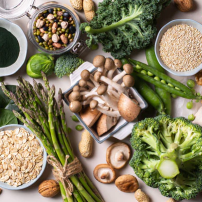
A balanced diet is one of the foundations of immune health. Try to include a variety of colourful vegetables and fruit, wholegrains, beans, nuts, seeds and protein-rich foods. These provide essential vitamins and minerals involved in normal immune function. Eating a range of foods is important because no single ingredient provides everything your immune system needs.
2. Make Sure You're Getting Enough Vitamin D
Vitamin D contributes to the normal functioning of the immune system, as well as helping maintain normal bones, teeth and muscles. Our bodies produce vitamin D when sunlight reaches the skin, but in Ireland, sunlight is often insufficient for adequate vitamin D production during autumn and winter. Food sources include oily fish, egg yolks and fortified foods.
A vitamin D supplement may be recommended depending on your age, circumstances and current Irish public health guidance. Explore our Vitamin D collection to discover the different formats available.
3. Include Vitamin C-Rich Foods
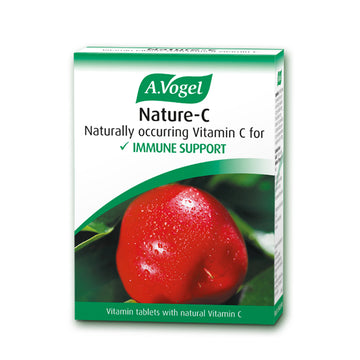
Vitamin C contributes to normal immune function and helps protect cells from oxidative stress. It's also involved in normal collagen formation and contributes to the reduction of tiredness and fatigue. Good food sources include peppers, citrus fruits, kiwis, strawberries and broccoli.
If you're considering a supplement, explore our Vitamin C collection.
Taking large amounts of vitamin C isn't a substitute for a balanced diet and doesn't guarantee protection against colds.
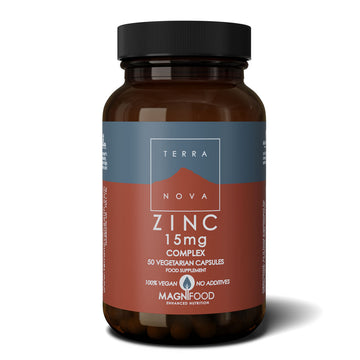
4. Don't Forget Zinc and Other Essential Minerals
Zinc contributes to the normal functioning of the immune system and helps protect cells from oxidative stress. It's found in foods such as meat, shellfish, dairy products, beans, nuts and seeds. Selenium, iron and copper also contribute to normal immune function. Although these minerals are essential, taking more than you need doesn't necessarily provide additional benefits. Excessive zinc or selenium intake can be harmful.
Find out more in our Zinc collection.
5. Prioritise Good-Quality Sleep
Getting enough sleep is important for overall health, including the normal functioning of the immune system. Try to maintain a regular sleep schedule, create a comfortable sleeping environment and limit caffeine late in the day if it affects your sleep. Adults generally need around seven to nine hours of sleep each night, although individual needs vary.
6. Stay Active and Manage Everyday Stress
Regular physical activity supports overall health and wellbeing. Whether you enjoy walking, cycling, swimming or another activity, finding ways to move regularly can be beneficial.
Long-term stress can also affect sleep, eating habits and general wellbeing. Making time for relaxation, social connection and activities you enjoy can help you manage everyday pressures.
7. Practise Good Everyday Health Habits
Simple habits can help reduce your exposure to infections and support your overall wellbeing. Wash your hands regularly, avoid smoking, keep up to date with recommended vaccinations and follow appropriate public health advice. If you're feeling unwell, rest and allow yourself time to recover.
What Are the Best Vitamins for Immune Support?
Several vitamins and minerals have established roles in normal immune function.
| Nutrient | Role in the Body | Food Sources |
|---|---|---|
| Vitamin C | Contributes to normal immune function and protection of cells from oxidative stress | Peppers, citrus fruits, kiwis, broccoli |
| Vitamin D | Contributes to normal immune function | Oily fish, eggs, fortified foods |
| Vitamin A | Contributes to normal immune function | Eggs, dairy products, orange and dark-green vegetables |
| Vitamin B6 | Contributes to normal immune function | Poultry, fish, potatoes, chickpeas |
| Vitamin B12 | Contributes to normal immune function | Meat, fish, eggs, dairy and fortified foods |
| Zinc | Contributes to normal immune function | Shellfish, meat, beans, nuts, seeds |
| Selenium | Contributes to normal immune function | Fish, eggs, meat, Brazil nuts |
The best approach is to meet your nutritional requirements through a varied diet wherever possible, using supplements when appropriate.
What About Herbal Supplements for Immune Health?
Alongside vitamins and minerals, some traditional herbal ingredients are particularly popular during the colder months.
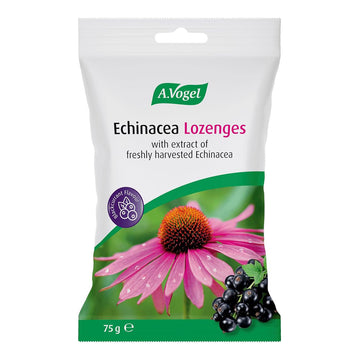
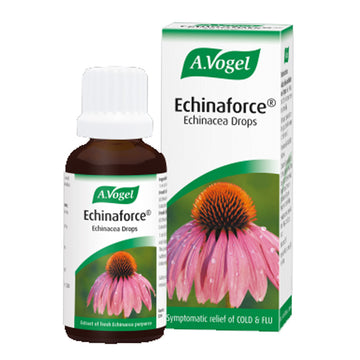
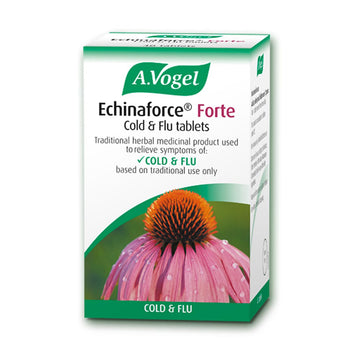
Echinacea
Echinacea has a long history of traditional herbal use and is available in tablets, capsules and liquid preparations. Research into its effectiveness for preventing or shortening colds has produced mixed results. It's important to follow the directions for the individual product.
Explore our Echinacea supplements.
Elderberry
Elderberries have traditionally been used in foods, syrups and herbal preparations. Although elderberry has attracted research interest, there isn't enough reliable evidence to conclude that elderberry supplements prevent or treat respiratory infections.
Discover our Elderberry collection.
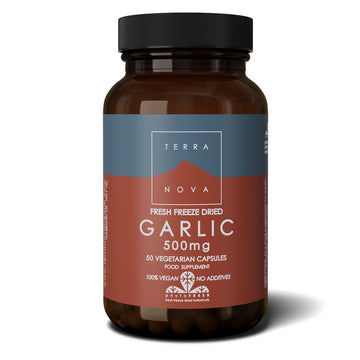
Garlic
Garlic is a familiar ingredient in many kitchens and contains naturally occurring sulphur compounds. It's a useful addition to a varied diet, but evidence that garlic supplements prevent or treat colds remains insufficient.
Discover our Garlic collection here.
Do You Need Immune Support Supplements?
Not everyone needs an immune support supplement. If you eat a balanced diet and meet your nutritional requirements, taking additional vitamins or minerals won't necessarily provide extra immune protection.
However, supplements can be useful when your diet doesn't provide enough of a particular nutrient or when supplementation is recommended for your circumstances.
For example, vitamin D supplementation is recommended for certain groups in Ireland, and vitamin B12 supplementation is important for people following diets that exclude animal products unless they obtain adequate amounts from fortified foods.
If you're unsure which supplements are suitable, speak to your pharmacist or healthcare professional.
Browse Evergreen's Immune Health collection for vitamins, minerals and carefully selected herbal preparations.
Frequently Asked Questions About Immune Health
Can you boost your immune system naturally?
The immune system is complex, and there's no single food, supplement or lifestyle change that can instantly boost it. A more useful goal is to support normal immune function through adequate nutrition, sleep, physical activity and other healthy habits.
What foods are good for the immune system?
A variety of nutrient-rich foods helps provide the vitamins and minerals needed for normal immune function. Include colourful vegetables and fruit, wholegrains, legumes, nuts, seeds and suitable protein sources.
Is vitamin C or vitamin D better for immune health?
Both vitamins contribute to normal immune function, but they have different roles in the body. Neither replaces the other, and the most appropriate supplement depends on your individual nutritional needs.
Can stress affect your immune system?
Prolonged stress can affect several aspects of health, including sleep and immune regulation. Managing everyday stress is one part of maintaining overall wellbeing.
Should you take immune support supplements all year round?
This depends on your diet, nutritional requirements and the supplement involved. Some nutrients may be recommended throughout the year for particular groups, while others may not be needed if dietary intake is adequate.
Supporting Your Immune Health, Every Day
Looking after your immune system isn't just something to think about during winter. Small, consistent habits throughout the year can make a meaningful difference to your overall health.
Focus on a balanced diet, adequate sleep, regular movement and getting the essential nutrients your body needs.
And if you're considering supplements, Evergreen's Immune Health collection is a good place to explore the different options available.
Evergreen – Good Health, Naturally.
Want to avoid a nasty cough or cold come winter time? Here's How to Stay Healthy During Cold and Flu Season.
Please note, this blog is for informational purposes only and should not replace medical advice.
It’s always best to consult your doctor before taking any new supplements, treatments or remedies if you are pregnant, breastfeeding or on medication.
Checked and updated: 14th October 2026