

How to Avoid Getting Sick This Winter: 9 Practical Tips
When the colder months arrive, so does the familiar season of coughs, colds and flu. Between busy schedules, shorter days and spending more time indoors, it can sometimes feel difficult to get through winter without picking up something.
While there's no guaranteed way to avoid getting sick, there are simple steps you can take to reduce your risk of catching common seasonal infections and look after your wellbeing.
From everyday hygiene and good-quality sleep to winter nutrition and knowing what to do when symptoms appear, here are nine practical ways to help you stay well this winter.
Why Do We Get Sick More Often in Winter?
Colds and flu are caused by viruses, not by cold weather itself. However, several factors can make respiratory infections more common during autumn and winter.
We tend to spend more time indoors, often in close contact with other people. Poor ventilation can make it easier for respiratory viruses to spread through the air.
Some viruses also spread more readily under particular environmental conditions, including those experienced during colder months.
That's why winter wellness isn't just about what we eat or which supplements we take. Everyday habits that reduce exposure to infections are equally important.
9 Ways to Avoid Getting Sick This Winter
1. Wash Your Hands Regularly
Good hand hygiene is one of the simplest ways to reduce the spread of many common infections. Wash your hands thoroughly with soap and water, particularly after using public transport, before eating and after coughing, sneezing or blowing your nose. Try to avoid touching your eyes, nose and mouth with unwashed hands, as this can transfer germs.
When soap and water aren't available, an alcohol-based hand sanitiser can be a useful alternative.
2. Keep Indoor Spaces Well Ventilated
During winter, it's tempting to keep windows closed and the heating on. However, fresh air can help reduce the concentration of airborne respiratory viruses indoors.
Where practical, open windows regularly or use suitable ventilation systems, particularly when sharing indoor spaces with others. Even small improvements in ventilation can be worthwhile.
3. Prioritise a Good Night's Sleep
Sleep is an important part of maintaining overall health and normal immune function. Most adults need around seven to nine hours of sleep each night, although individual requirements vary. Try to maintain a consistent bedtime, limit caffeine later in the day and create a comfortable sleeping environment.
If you find it difficult to switch off in the evenings, establishing a relaxing bedtime routine may help.
4. Eat a Varied, Balanced Diet
Eating well throughout winter helps provide the nutrients your body needs to function normally. Include plenty of colourful vegetables and fruit, wholegrains, legumes, nuts, seeds and protein-rich foods. Certain nutrients, including vitamin C, vitamin D, zinc and selenium, contribute to the normal functioning of the immune system.
Good food sources include:
-
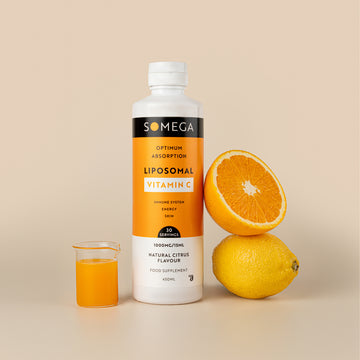
Vitamin C: Peppers, kiwis, citrus fruits and broccoli.
-
Vitamin D: Oily fish, eggs and fortified foods.
-
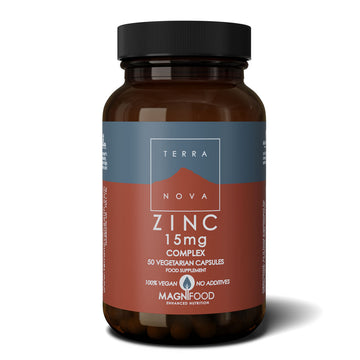
Zinc: Meat, shellfish, beans, nuts and seeds.
-
Selenium: Fish, eggs, meat and some nuts.
No single food can prevent colds or flu, but a varied diet is an important foundation for overall wellbeing. For more information about nutrition and immune health, read our guide to supporting your immune system naturally.
5. Consider Your Vitamin D Intake
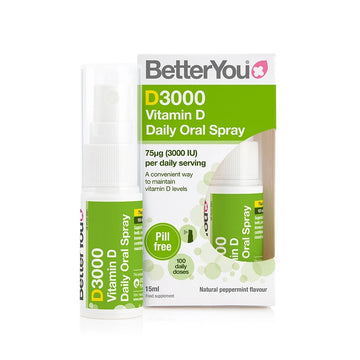
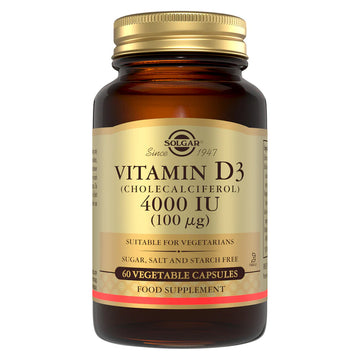
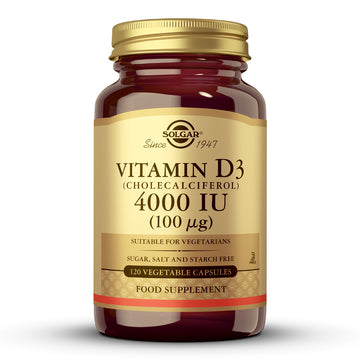
Vitamin D deserves particular attention during the Irish winter. Our bodies produce vitamin D when sunlight reaches the skin, but sunlight in Ireland is often insufficient for adequate vitamin D production during autumn and winter.
Vitamin D contributes to the normal functioning of the immune system and helps maintain normal bones and muscles. Irish public health guidance recommends vitamin D supplementation for certain age groups and circumstances. Check the latest recommendations or speak to a healthcare professional if you're unsure what applies to you.
Explore Evergreen's Vitamin D supplements to discover the different formats available.
6. Stay Active, Even When It's Cold
Shorter days and colder weather can make it harder to stay motivated, but regular physical activity remains important throughout winter.
You don't need an intensive exercise routine. A brisk walk, a cycle, swimming or even a short indoor workout can help you stay active. Choose activities you enjoy and adapt them to the weather.
If you're unwell, particularly with a fever or significant fatigue, prioritise rest rather than pushing through strenuous exercise.
7. Manage Everyday Stress
Winter can be a busy time, particularly in the lead-up to Christmas. Long-term stress can affect sleep, eating habits and general wellbeing, so it's worth making time for activities that help you relax.
Whether that's reading, walking, spending time with friends or practising mindfulness, small moments of downtime can make a difference. Try to maintain a balance between work, rest and activities you enjoy.
8. Keep Up to Date with Recommended Vaccinations
Vaccination is one of the most effective ways to reduce the risk of certain infectious diseases and their complications. In Ireland, seasonal influenza vaccination is recommended for eligible groups, with guidance provided by the HSE. Other vaccinations may also be recommended depending on your age, health and individual circumstances.
Check the latest HSE vaccination guidance to find out which recommendations apply to you.
9. Take Extra Care Around People Who Are Unwell
Respiratory infections can spread through the air and through close contact. If someone around you has a cough, cold or flu-like symptoms, practical precautions can help reduce your exposure.
These include improving ventilation, avoiding unnecessary close contact and maintaining good hand hygiene.
If you're unwell yourself, staying home where possible and following current public health advice can help protect others, particularly people who may be more vulnerable to infection.
What Should You Do If You Get Sick This Winter?
Even with good habits, it's still possible to catch a cold or another respiratory infection. If you start feeling unwell, the most important thing is to look after yourself and allow time for recovery.
Get Plenty of Rest
Your body needs time to recover when you're unwell. Avoid overexertion and try to get enough sleep.
Drink Enough Fluids
Staying hydrated is particularly important if you have a fever or aren't eating and drinking as much as usual.
Water, warm drinks and soups can all contribute to your fluid intake.
Soothe an Irritated Throat
Warm drinks can feel comforting when your throat is sore. Honey may help soothe a cough in adults and children over one year old, although it won't treat the underlying infection. Never give honey to babies under 12 months.
For more advice, read our guide to soothing a sore throat naturally.
Find Ways to Ease Nasal Congestion
A blocked or stuffy nose can make it difficult to feel comfortable, particularly at night. Saline nasal sprays or rinses may help relieve nasal discomfort and clear mucus.
Explore our Natural Congestion Relief collection for suitable products.
Know When to Seek Medical Advice
Most uncomplicated colds improve on their own, but some symptoms require medical attention. Contact a healthcare professional if symptoms are worsening, aren't improving as expected or you're concerned about an underlying medical condition.
Seek urgent medical assistance for severe breathing difficulties, chest pain, confusion or other serious symptoms.
What Should You Eat When You're Feeling Unwell?
When you're feeling under the weather, you might not have much of an appetite. While no particular food can cure a cold or flu, eating what you can, staying hydrated and getting enough rest can help you look after yourself while you recover.
Here are a few simple options worth considering.
Warm Soups and Bone Broth
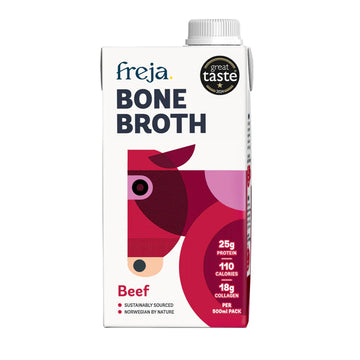
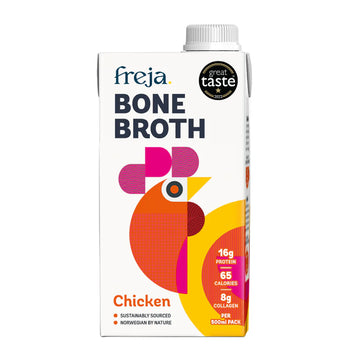
A warm bowl of soup can be particularly comforting when you're feeling unwell. Vegetable soups, chicken soup and bone broths provide fluids and can be an easy way to include vegetables and other nutrients when your appetite is low.
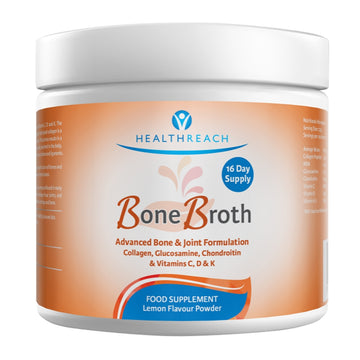
Try making your own with carrots, leeks, onions and herbs, or explore our bone broth options.
Fruit and Vegetables
Fruit and vegetables provide a range of vitamins, minerals and plant compounds that contribute to a balanced diet. If you don't feel like eating a full meal, try a smoothie, vegetable soup or some soft fruit. Foods such as oranges, kiwis, peppers and broccoli provide vitamin C, which contributes to normal immune function.
Foods Containing Beneficial Bacteria
Fermented foods such as natural yoghurt, kefir, sauerkraut and miso can be enjoyed as part of a varied diet. Some fermented foods contain live microorganisms, although not all qualify as probiotics, and their effects depend on the specific strains and products. There's currently insufficient evidence to recommend fermented foods as a way to prevent or treat colds and flu.
Healthy Fats
Foods such as oily fish, walnuts, flaxseeds and chia seeds provide essential fatty acids and other nutrients. They can be included as part of a balanced diet, although they aren't a treatment for respiratory infections.
Keep Your Fluids Up
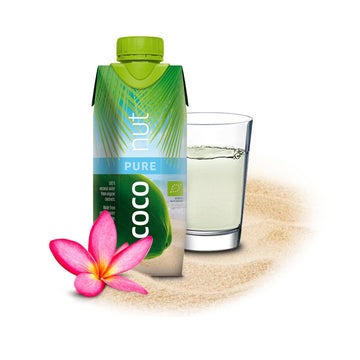
Drinking enough fluids is particularly important if you have a fever or aren't eating and drinking normally. Water, warm drinks, soups and diluted juices can all contribute to hydration. Coconut water is another option if you enjoy it, although most people with an uncomplicated cold won't need a special electrolyte drink.
If you're unable to keep fluids down or have signs of dehydration, seek medical advice.
Can Supplements Help You Stay Well During Winter?
Vitamins and minerals are important for normal immune function, but taking supplements doesn't guarantee that you won't catch a cold or flu.
Supplements may be useful when your diet doesn't provide enough of a particular nutrient or when supplementation is recommended for your circumstances.
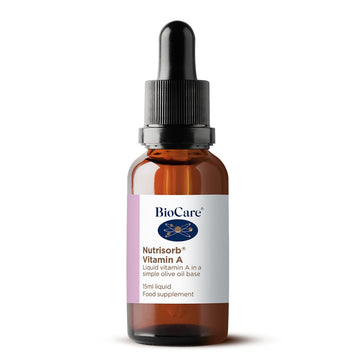
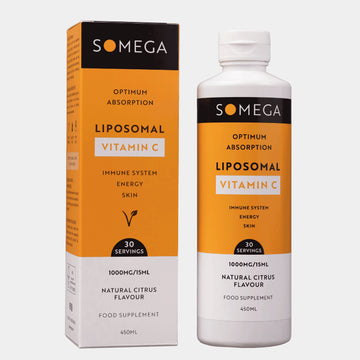
Vitamin C, vitamin D and zinc are among the nutrients that contribute to normal immune function.
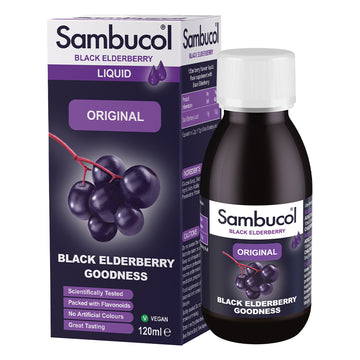
Some people also choose traditional herbal products such as Echinacea or Elderberry, although evidence for their effectiveness in preventing or treating respiratory infections remains limited or mixed.
If you're considering supplements, follow the product instructions and speak to a pharmacist or healthcare professional if you're taking medication, pregnant or managing a medical condition.
Explore Evergreen's Immune Health collection for vitamins, minerals and traditional herbal preparations.
Frequently Asked Questions About Staying Healthy in Winter
How can I avoid getting sick during winter?
You can't eliminate the risk of catching seasonal infections, but regular handwashing, good indoor ventilation, recommended vaccinations and avoiding close contact with people who are unwell can help reduce your risk.
Getting enough sleep, eating a balanced diet and staying active also support your overall health.
Does cold weather make you sick?
Cold weather itself doesn't cause colds or flu. These illnesses are caused by viruses. However, spending more time indoors with other people and changes in environmental conditions can contribute to the seasonal spread of respiratory infections.
What vitamins should I take during winter?
The vitamins you need depend on your diet and individual circumstances. Vitamin C and vitamin D contribute to normal immune function, while minerals such as zinc and selenium also have important roles.
Vitamin D is particularly relevant in Ireland because of limited sunlight during autumn and winter. Follow current Irish public health recommendations.
How can I tell the difference between a cold and flu?
Colds often develop gradually and commonly involve symptoms such as a runny nose, sneezing and a sore throat.
Flu frequently begins more suddenly and may cause fever, muscle aches, headaches and significant tiredness.
Symptoms can overlap with other respiratory infections, including COVID-19, so it's not always possible to identify the cause from symptoms alone.
What should I do at the first sign of a cold?
Get plenty of rest, drink fluids and monitor your symptoms. Simple measures such as warm drinks or saline nasal sprays may help with discomfort.
Seek medical advice if you're at increased risk of complications, develop concerning symptoms or aren't recovering as expected.
Looking After Yourself This Winter
Staying well through winter is about building practical habits into everyday life rather than relying on one particular food, remedy or supplement.
Good hygiene, fresh air, adequate sleep, balanced nutrition and appropriate vaccinations can all play a part in looking after your health. And if you do catch something, remember that rest and recovery are important too.
For more advice, explore our Coughs & Colds collection or discover our range of Immune Support Supplements.
Evergreen – Good Health, Naturally.
Checked and updated: 14th October 2026