

What Is Sea Moss?
Sea moss has become increasingly popular in recent years, appearing in everything from smoothies and gels to capsules and powders. But it's far from a new ingredient.
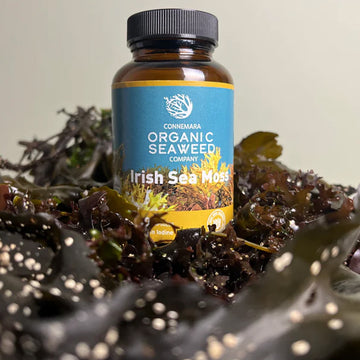
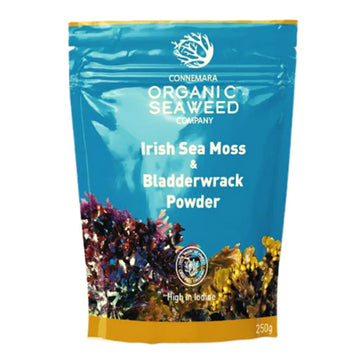
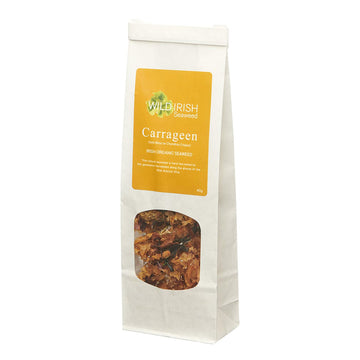
Sea moss is a type of edible seaweed traditionally harvested along Atlantic coastlines, including Ireland. The name is often associated with Irish moss (Chondrus crispus), although products sold as sea moss can come from different species of red algae.
Its growing popularity has led to plenty of claims about what sea moss can do. So what actually is sea moss, what does it contain and is it worth adding to your routine?
Here's what you need to know.
Is Sea Moss the Same as Irish Moss?
The terms sea moss and Irish moss are often used interchangeably, but they don't always refer to exactly the same thing.
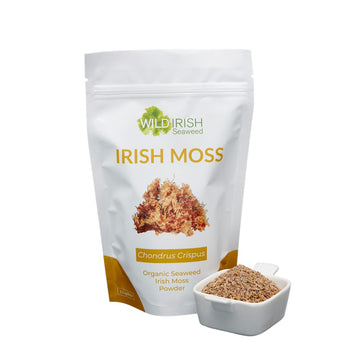
Traditional Irish moss usually refers to Chondrus crispus, a red seaweed found along the rocky Atlantic coasts of Ireland, Britain, Europe and North America. Some products marketed as sea moss may use other related species, so it's worth checking the product information if the particular type of seaweed matters to you.
What Nutrients Are Found in Sea Moss?
Like other seaweeds, sea moss can naturally contain a variety of minerals and other nutrients. One of the nutrients most commonly associated with seaweed is iodine. Iodine contributes to normal production of thyroid hormones and normal thyroid function.
However, the nutritional composition of seaweed can vary considerably depending on the species, where it was grown and how it has been processed. This is one reason to be cautious about claims that every sea moss product contains a particular number or amount of vitamins and minerals.
If you're choosing a packaged sea moss food or supplement, check the nutritional information on the individual product rather than assuming all sea moss provides the same nutrients.
What Are the Benefits of Sea Moss?
You'll find a long list of supposed sea moss benefits online, ranging from digestive and immune health to skin, energy and thyroid function. The evidence isn't strong enough to support many of the more dramatic claims made about sea moss itself.
Instead, we think it's more useful to look at sea moss as an edible seaweed that can contribute nutrients to the diet, depending on the particular product and how much you consume.
Where a sea moss product provides a meaningful amount of a particular vitamin or mineral, the recognised nutritional benefits of that nutrient may apply. This will vary between products. That makes sea moss an interesting addition to a varied diet rather than a miracle ingredient.
Sea Moss and Iodine
Iodine deserves particular attention because seaweed can be a concentrated dietary source.
Your body needs iodine for the normal production of thyroid hormones and normal thyroid function. However, more iodine isn't necessarily better. The amount found in seaweed can vary, and consuming excessive iodine can also be problematic.
If you have a thyroid condition, take thyroid medication or have been advised to monitor your iodine intake, speak to your GP or another qualified healthcare professional before regularly using sea moss or other iodine-rich seaweeds.
How Do You Take Sea Moss?
There are several ways to include sea moss in your diet.
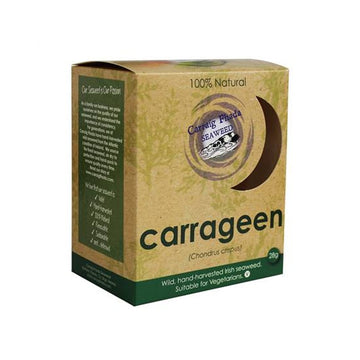
Whole or dried sea moss can be prepared and added to foods and drinks.
Sea moss gel is commonly made by soaking and blending dried sea moss with water. It can then be added to smoothies and other recipes.
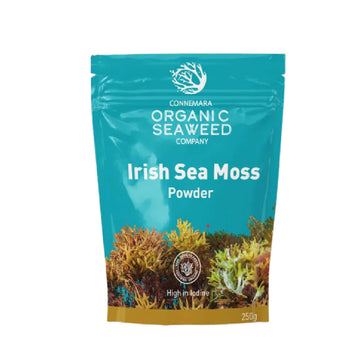
Sea moss powders offer another convenient way of adding it to foods or drinks.
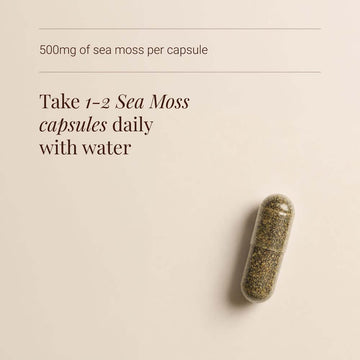
Sea moss supplements are available in capsules and other formats for people who prefer a measured, convenient option.
Always follow the preparation or serving instructions for the particular product you're using.
What Does Sea Moss Taste Like?
The flavour varies according to the product and how it has been prepared. Sea moss can have a mild sea-like taste, although when prepared as a gel and mixed into smoothies or foods its flavour may be relatively subtle.
For anyone who doesn't enjoy the taste or texture of seaweed, a supplement may be a more convenient alternative.
Is Sea Moss Suitable for Everyone?
Sea moss is a food for many people, but that doesn't mean everyone needs it or that more is always better.
Its iodine content is one of the main considerations. You should also consider iodine you're getting from other foods and supplements.
It's particularly sensible to seek professional advice before taking sea moss regularly if you:
- have a thyroid condition
- take thyroid medication
- are pregnant or breastfeeding
- take other supplements containing iodine
- have been advised to limit your iodine intake.
Product directions should always be followed.
How to Choose Sea Moss
There's no need to be distracted by extravagant health claims when comparing products.
Instead, look at practical factors such as:
- the species or source of sea moss
- whether you're buying whole sea moss, powder, gel or a supplement
- the recommended serving
- declared iodine or other nutrient content
- other ingredients included in the formula
- whether the format suits how you intend to use it.
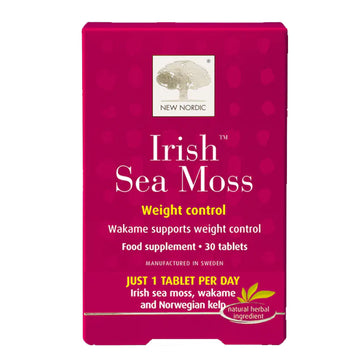
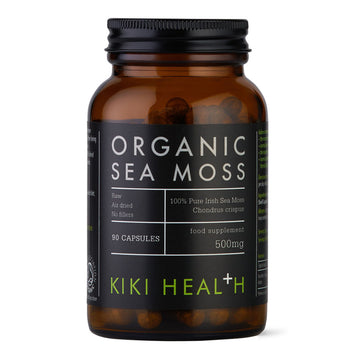
You can browse our Sea Moss collection to compare the different sea moss products available at Evergreen.
The Evergreen View
Sea moss has an interesting history and can be a useful way of introducing edible seaweed into your diet. But its recent popularity has also produced plenty of claims that go beyond what we currently know.
Rather than viewing sea moss as a cure-all or nutritional shortcut, we'd consider it one of many foods or supplements that can form part of a varied, balanced lifestyle.
If you'd like to try it, choose a good-quality product, follow the recommended serving and pay particular attention to iodine if you're already getting it elsewhere.
Edited and updated 8th September 2026