

How to Soothe a Sore Throat Naturally: 8 Remedies to Try
A sore throat can make even the simplest things uncomfortable, from swallowing your morning cup of tea to talking throughout the day. Whether it's a dry, scratchy feeling or a more painful throat, it's often one of the first signs that you're coming down with a cold.
The good news is that most sore throats improve on their own within a week. In the meantime, there are several simple home remedies that may help ease discomfort and keep your throat feeling more comfortable.
From honey and herbal teas to saltwater gargles, we explore eight ways to soothe a sore throat naturally, along with some advice on when to seek medical help.
What Causes a Sore Throat?
Most sore throats are caused by viral infections, including the common cold and flu. However, there are other possible causes, including:
-
Dry air: Particularly during winter when indoor heating is used more frequently.
-
Allergies: Postnasal drip can irritate the throat.
-
Irritants: Cigarette smoke, pollution and other airborne irritants.
-
Acid reflux: Stomach acid can sometimes irritate the throat.
-
Bacterial infections: Such as streptococcal throat infections, which may require medical assessment.
Common symptoms include pain when swallowing, a scratchy or dry throat, hoarseness and redness at the back of the throat.
Although a sore throat can be uncomfortable, most cases don't require antibiotics, particularly when caused by a virus.
8 Natural Ways to Soothe a Sore Throat
1. Try Honey in a Warm Drink
Honey is one of the most familiar traditional home remedies for an irritated throat. Its thick texture can help coat the throat, while a warm drink can provide additional comfort. Try stirring a teaspoon of honey into warm water or herbal tea, perhaps with a little lemon if you enjoy the flavour.
Manuka honey is a popular choice, although there's limited evidence that it's more effective than ordinary honey for soothing a sore throat. If you're interested in what makes Manuka honey different, read our guide to Manuka honey benefits.
You can also explore our Manuka honey collection.
Important: Honey should never be given to babies under 12 months.
2. Gargle with Warm Salt Water
A warm saltwater gargle is a simple home remedy that may help ease throat discomfort. Dissolve half a teaspoon of salt in a glass of warm water, gargle gently and spit it out rather than swallowing. You can repeat this as needed throughout the day.
Saltwater gargling isn't suitable for young children who may accidentally swallow the solution.
3. Sip Soothing Herbal Teas
Warm drinks can be particularly comforting when your throat feels dry or scratchy. Herbal teas are a popular option, with ingredients such as ginger, sage, liquorice and marshmallow root traditionally used in throat-care preparations.
While some of these herbs have a long history of traditional use, evidence for their effectiveness in treating sore throats is limited.
You might enjoy blends such as Yogi Tea Throat Comfort or NutraTea Nutra Throat.
Choose a comfortable drinking temperature, as very hot drinks may further irritate your throat.
Some herbs, particularly liquorice, aren't suitable for everyone. Check product precautions if you're pregnant, taking medication or have an existing health condition.
4. Keep Your Throat Moist with Lozenges
Sucking a throat lozenge encourages saliva production, helping keep your throat moist and potentially easing that dry, scratchy feeling.
Lozenges are particularly convenient when you're out and about or don't have access to a warm drink. Different products contain different ingredients, including honey, lemon and herbal extracts.
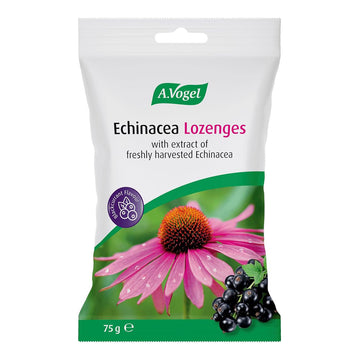
You can explore Evergreen's natural throat lozenges and soothing products.
Always check age recommendations, as lozenges can present a choking risk for younger children.
5. Drink Plenty of Fluids
Keeping hydrated is important when you're feeling unwell. Water, warm drinks and soups can all help maintain your fluid intake while keeping your throat comfortable. If swallowing is painful, try taking small, regular sips rather than drinking large amounts at once. Some people find cool drinks more soothing than warm ones, so choose whichever feels best for you.
6. Try Cool, Soft Foods
If your throat is particularly uncomfortable, soft foods may be easier to swallow. Natural yoghurt, smoothies, porridge and soup are all options worth trying. Cool foods such as yoghurt or ice lollies may also provide temporary relief.
Avoid foods or drinks that make your throat feel worse. For some people, this includes very spicy, acidic or particularly hot foods.
7. Rest Your Voice and Avoid Irritants
If your sore throat is accompanied by hoarseness, giving your voice a break may help. Try to avoid shouting or speaking loudly for long periods. Cigarette smoke and other airborne irritants can make throat discomfort worse, so avoiding exposure where possible is sensible.
If your home feels particularly dry during winter, maintaining a comfortable indoor humidity level may also help.
8. Get Enough Rest
A sore throat is often one of several symptoms that appear when you're developing a respiratory infection. If you're feeling tired or under the weather, prioritise sleep and allow yourself time to recover.
Most uncomplicated sore throats improve without specific treatment, but it's important to pay attention to symptoms that persist or become more severe.
What About Herbal Throat Sprays and Preparations?
Alongside simple home remedies, some people choose throat sprays, gels or herbal preparations when their throat feels irritated.
Products such as A. Vogel Echinacea Throat Spray, Floradix Alpenkraft and Otosan Throat Gel Forte offer different formats and ingredients.
It's important to remember that herbal doesn't automatically mean suitable for everyone. The evidence and approved uses vary between products. Always check the label for directions, age restrictions and precautions, particularly if you're pregnant, breastfeeding or taking medication.
For more options, browse our Natural Sore Throat Support collection.
When Should You See a Doctor About a Sore Throat?
Most sore throats improve within a week, but there are times when medical advice is important. Contact your GP if your sore throat is particularly severe, keeps returning, isn't improving after a week or is accompanied by symptoms that concern you.
You should also seek medical advice if you have a weakened immune system or an underlying condition that increases your risk of complications.
Seek urgent medical assistance if you have difficulty breathing, cannot swallow, are drooling because you cannot swallow or develop rapidly worsening symptoms.
For further guidance, visit the HSE's sore throat advice.
Frequently Asked Questions About Sore Throats
What is the best natural remedy for a sore throat?
There isn't one remedy that works best for everyone. Honey in a warm drink, saltwater gargles, staying hydrated and suitable throat lozenges may all help provide temporary comfort.
The best approach depends on what's causing your sore throat and which remedies you find soothing.
Can honey help a sore throat?
Honey can help coat and soothe an irritated throat. It may also help relieve coughing associated with upper respiratory infections.
However, honey doesn't cure the underlying infection and should never be given to children under one year old.
Is it better to drink hot or cold drinks for a sore throat?
Both warm and cool drinks can be soothing. Some people prefer warm herbal tea, while others find cool water or ice lollies more comfortable. Avoid very hot drinks, which may cause further irritation.
Does gargling salt water help a sore throat?
Gargling with warm salt water may help temporarily ease throat discomfort. Use half a teaspoon of salt dissolved in a glass of warm water, gargle and spit it out. This isn't recommended for young children.
How long does a sore throat usually last?
Most sore throats improve within approximately one week. If your symptoms are worsening, unusually severe or not improving, contact a healthcare professional.
Can Echinacea help a sore throat?
Echinacea is traditionally used in some herbal preparations, but evidence that it reliably treats sore throats is limited. If you're considering an Echinacea product, check its intended use, directions and precautions.
Looking After Your Throat Naturally
A sore throat can be uncomfortable, but simple measures such as drinking fluids, enjoying a warm cup of tea, trying honey or gargling with salt water may help while you recover.
Remember that most sore throats improve on their own, and seek medical advice if your symptoms are persistent, severe or concerning.
For a little extra comfort, explore Evergreen's range of natural sore throat remedies, lozenges and herbal teas.
Evergreen – Good Health, Naturally.
References
HSE.ie - Sore throat
Web MD - Manuka Honey