

Fermented Foods: What Are They & How Can You Make Your Own?
Kefir, kombucha, kimchi, sauerkraut, miso and sourdough might seem like very different foods, but they all have something in common: fermentation.
Fermented foods have been part of traditional diets around the world for thousands of years, and growing interest in the gut microbiome has brought them firmly back into the spotlight.
But what actually makes a food fermented? Are all fermented foods probiotic? And can you make fermented foods and drinks yourself at home?
Here's our simple guide.
What Are Fermented Foods?
Fermentation is a process in which microorganisms such as bacteria and yeasts transform components within a food or drink. It has traditionally been used as a way of preserving foods, but fermentation can also change their flavour, texture and nutritional characteristics.
There are many different types of fermentation, which is why foods as varied as yoghurt, kefir, kimchi, kombucha, sauerkraut, miso and sourdough can all fall under the fermented-food umbrella.
Are Fermented Foods the Same as Probiotics?
Not quite. It's common to see the terms fermented food and probiotic food used interchangeably, but they don't mean exactly the same thing.
Probiotics are specific live microorganisms that have been shown to provide a health benefit when consumed in adequate amounts.
Fermented foods are foods or drinks produced through fermentation. Some contain live microorganisms when we eat or drink them, while others don't. For example, processing methods such as heating can remove or destroy the live microorganisms present after fermentation.
So while fermented foods can be a valuable part of a varied diet, we shouldn't assume that every fermented food is automatically a source of probiotics.
Want to understand probiotics in more detail? Read our guide to What Are Probiotics?
Why Include Fermented Foods in Your Diet?
One of the great things about fermented foods is the variety they can add to everyday meals. Different fermented foods offer different nutritional qualities. Some may contain live microorganisms, while the fermentation process itself can also alter the food's flavour, texture and composition.
Rather than thinking of fermented foods as a treatment or quick fix for gut health, think of them as another way to introduce variety into a balanced diet. And there's plenty to experiment with.
Fermented Foods to Try
Kefir
Kefir is a fermented drink traditionally made by adding kefir cultures to milk.
It has a distinctive tangy flavour and can be enjoyed on its own, added to smoothies or served with fruit and breakfast cereals.
Water kefir provides another way to experiment with fermentation and is made differently from traditional milk kefir.
Kombucha
Kombucha is a fermented tea made using sweetened tea and a culture of bacteria and yeasts, commonly known as a SCOBY. During fermentation, the culture uses some of the sugar in the tea and produces the characteristic sharp, slightly fizzy kombucha flavour.
There are plenty of ready-made kombuchas available, but it's also one of the fermented drinks you can make at home.
Kimchi
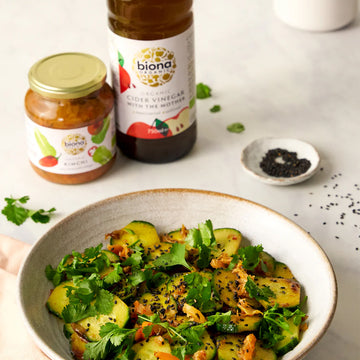
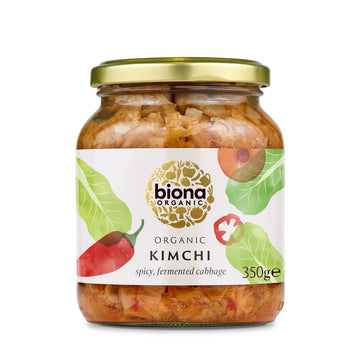
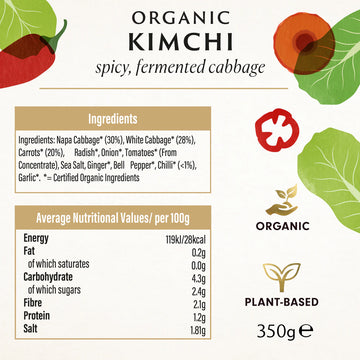
Kimchi is a traditional Korean fermented food, most commonly made using vegetables such as cabbage and radish together with seasonings.
Recipes vary considerably, giving you everything from mild and tangy versions to much hotter varieties.
Sauerkraut
Sauerkraut is traditionally made by fermenting finely sliced cabbage with salt. The result is a sharp, crunchy fermented food that works well alongside salads, sandwiches, bowls and savoury meals.
Miso
Miso is a Japanese fermented paste usually made from soybeans, although other grains can also be used. Its rich savoury flavour makes it particularly useful in soups, dressings, marinades and sauces. Shop our Miso range here.
Tempeh
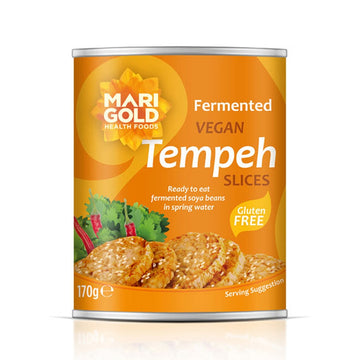
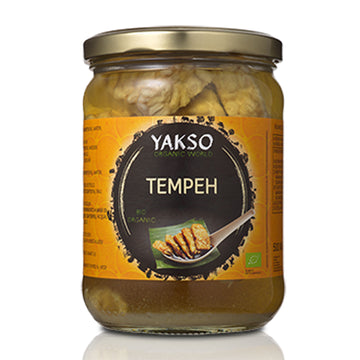
Tempeh is traditionally made from fermented soybeans. Unlike tofu, it has a firmer texture and distinctive nutty flavour, making it a useful plant-based ingredient for stir-fries, curries, salads and sandwiches.
Yoghurt
Yoghurt is produced by fermenting milk with bacterial cultures. Some yoghurts contain live cultures when consumed, although it's worth checking individual products rather than assuming all yoghurts provide the same microorganisms.
Sourdough
Sourdough uses a fermented starter made from flour and water rather than relying solely on commercial baker's yeast. The fermentation gives sourdough its characteristic flavour and texture.
However, because sourdough is baked, the live microorganisms involved in making the dough aren't generally alive in the finished loaf. It's a good example of why fermented doesn't necessarily mean probiotic.
Can You Make Fermented Foods at Home?
Absolutely – and making your own is one of the most interesting ways to learn about fermentation.
You don't necessarily need lots of specialist equipment, although having the right jars, fermenters and cultures can make the process considerably easier.
Two particularly accessible places to start are kefir and kombucha.
How to Make Your Own Kefir
Making kefir at home involves combining the appropriate kefir culture with its food source and allowing it to ferment.
The exact process depends on whether you're making milk kefir or water kefir, so always follow the instructions provided with your culture or fermenting kit.
Once you've got into a routine, home fermentation makes it possible to prepare fresh batches regularly and experiment with flavours and serving ideas.
How to Make Your Own Kombucha
Kombucha starts with tea, sugar and a SCOBY – the culture responsible for fermentation.
The mixture is left to ferment for a set period before being bottled. Some people then use a second fermentation to experiment with different flavours and natural carbonation.
Clean equipment and careful preparation are particularly important when fermenting foods and drinks at home, so follow the instructions supplied with your starter culture or fermenting equipment rather than relying on guesswork.
If you'd like to try it yourself, explore our Make Your Own Kombucha & Kefir collection for fermenters, cultures and everything you need to get started.
You can also follow our Homemade Kombucha Recipe for a step-by-step introduction.
Ready-Made or Homemade?
You don't have to start fermenting vegetables in your kitchen to enjoy fermented foods. Ready-made kefir, kombucha, kimchi, sauerkraut and miso can all provide easy ways to introduce more fermented foods into your diet.
Making your own offers something slightly different. It's a chance to understand the fermentation process, experiment with flavours and make fresh batches at home. There's room for both.
Fermented Foods and Probiotic Supplements
Fermented foods and probiotic supplements can both contain microorganisms, but they're not interchangeable.
A probiotic supplement generally identifies particular microorganisms and provides them in a specified quantity. Fermented foods can contain a much more varied population of microorganisms, and the types and quantities present can differ considerably between foods and products.
That doesn't make one inherently "better" than the other – they're simply different.
If you're considering a probiotic supplement and aren't sure what all the strains and billions on the label mean, read our How to Choose a Probiotic: A Practical Guide
The Evergreen View
Fermentation doesn't need to be complicated. Start with foods you already enjoy. Try adding miso to a dressing, serving sauerkraut alongside a meal, swapping your usual drink for a kombucha or experimenting with kefir at breakfast.
And if you're feeling adventurous, making your own kefir or kombucha can be a great next step.
Explore our Fermented Foods collection or our Make Your Own Kombucha & Kefir collection and discover everything you need to start fermenting at home.
Evergreen – Good Health, Naturally.
Checked and updated: 17th September 2026