

Vitamin D: Benefits, Sources & How Much Do You Need?
Vitamin D is often called the “sunshine vitamin” because our bodies can make it when our skin is exposed to sunlight. Here in Ireland, however, sunshine isn't something we can always rely on.
Vitamin D has several important roles in the body, from supporting the immune system to helping maintain normal bones, teeth and muscle function. While we can get some vitamin D from food, supplements are also recommended for certain groups and at particular times of the year in Ireland.
So, what exactly does vitamin D do, how much do we need and how can we make sure we're getting enough? Here's our straightforward guide.
What is vitamin D?
Vitamin D is a fat-soluble vitamin that has a number of important functions in the body.
It contributes to:
- the normal function of the immune system
- the maintenance of normal bones and teeth
- normal muscle function
- normal absorption and use of calcium and phosphorus
- normal blood calcium levels
Vitamin D also has a role in the process of cell division. Unlike most vitamins, our bodies can make vitamin D themselves when our skin is exposed to sunlight. This is why it's commonly known as the sunshine vitamin.
What are the benefits of vitamin D?
Vitamin D is sometimes talked about as though it has one main purpose, but it actually has several recognised roles.
Vitamin D and the immune system
Vitamin D contributes to the normal function of the immune system. It's only one part of the nutritional picture, of course. A healthy immune system relies on a varied diet providing many different nutrients rather than one vitamin alone.
Vitamin D for bones and teeth
Vitamin D contributes to the maintenance of normal bones and teeth. It also helps our bodies absorb and use calcium and phosphorus and contributes to normal blood calcium levels.
This relationship with calcium is one of the reasons vitamin D is particularly important when we think about maintaining normal bone health throughout life.
Vitamin D and muscles
Vitamin D also contributes to the maintenance of normal muscle function. This is another reason getting sufficient vitamin D remains important as we get older.
Where do we get vitamin D?
There are three main ways we can get vitamin D: sunlight, food and supplements.
Vitamin D from sunlight
Our skin can make vitamin D when it's exposed to sunlight. The difficulty in Ireland is that our location and climate mean we can't rely on sunlight to provide sufficient vitamin D throughout the year.
How much vitamin D an individual makes from sunlight can also vary considerably depending on factors such as the time of year, time spent outdoors, skin pigmentation, age and how much skin is exposed. And, of course, getting vitamin D should never come at the expense of protecting your skin from excessive sun exposure.
Which foods contain vitamin D?
Vitamin D is naturally present in a relatively small number of foods.
Sources can include:
- oily fish such as salmon, mackerel and sardines
- egg yolks
- liver
- some fortified milks and plant-based alternatives
- fortified breakfast cereals and other fortified foods
Because there aren't huge numbers of naturally vitamin-D-rich foods, it can be useful to check food labels to see whether products have been fortified with it.
How Much Vitamin D Do You Need in Ireland?
Because we can't make enough vitamin D from sunlight during the Irish winter, the HSE recommends vitamin D supplements for everyone in Ireland. How much you need – and whether you need to take it all year – depends on your age and individual circumstances.
Here's a simple guide based on current HSE advice.
Babies under 12 months
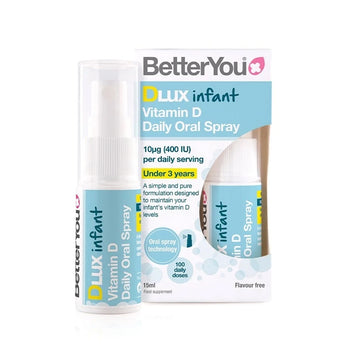
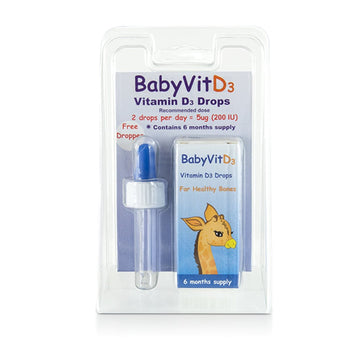
Babies under 12 months need 5 micrograms (200IU) of vitamin D every day, all year round if they are breastfed or have less than 300ml of infant formula a day.
If you're choosing vitamin D for your baby, always use a product designed for their age and follow the dosage instructions carefully.
Children aged 1 to 4
Children aged 1 to 4 should have 5 micrograms (200IU) of vitamin D every day from Halloween (31 October) to St Patrick's Day (17 March). This covers the months when sunlight in Ireland isn't strong enough for our skin to make sufficient vitamin D.
Children aged 5 to 12
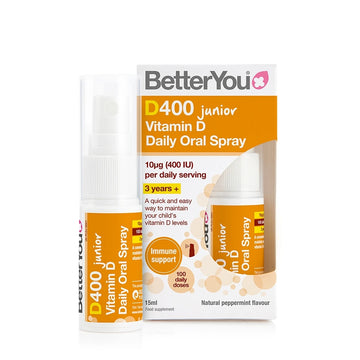
Children aged 5 to 12 should have 10 micrograms (400IU) of vitamin D every day from Halloween to St Patrick's Day.
The HSE recommends taking this amount all year round for children with a darker skin tone or reduced exposure to sunlight.
Teenagers and adults aged 13 to 64
People aged 13 to 64 should take 15 micrograms (600IU) of vitamin D every day from Halloween to St Patrick's Day.
The HSE recommends taking 15 micrograms all year round if you have a darker skin tone or reduced exposure to sunlight.
Vitamin D during pregnancy
If you're pregnant, the HSE recommends taking 15 micrograms (600IU) of vitamin D every day throughout the year.
Check any prenatal multivitamin or other supplements you're already taking to see how much vitamin D they provide before adding a separate vitamin D supplement.
Adults aged 65 and over
Adults aged 65 and over should take 15 micrograms (600IU) of vitamin D every day, all year round.
Who else should take vitamin D all year?
Some people are more at risk of low vitamin D levels because their skin may make less vitamin D from sunlight. The HSE recommends taking a daily vitamin D supplement throughout the year if you:
- aren't often outdoors
- usually cover most of your skin when outdoors
- have black or brown skin
- are aged 65 or over
- are pregnant
- are a baby
If you've already been prescribed a particular amount of vitamin D by your doctor, continue to follow their advice rather than changing your intake based on general recommendations.
Can You Take Too Much Vitamin D?
Yes. Although vitamin D is essential, taking too much over a long period can be harmful.
The HSE advises that babies under 12 months should not have more than 25 micrograms (1,000IU) per day, while children aged 1 to 10 should not have more than 50 micrograms (2,000IU) per day. Adults and children aged 11 and over should not take more than 100 micrograms (4,000IU) per day unless advised otherwise by a healthcare professional.
Remember to consider vitamin D from all the supplements you're taking, including multivitamins and combination products. If you're unsure how much vitamin D is appropriate for you or your child, speak to your GP or pharmacist.
What is vitamin D deficiency?
Vitamin D deficiency means that the level of vitamin D in the body has become too low.
Severe vitamin D deficiency can affect normal bone health and is associated with conditions including rickets in children and osteomalacia in adults. However, symptoms aren't a reliable way to work out your vitamin D status yourself.
If you think you may be deficient or have been advised that you're at greater risk, speak to a healthcare professional. They can advise whether testing or a particular level of supplementation is appropriate.
What's the difference between vitamin D2 and D3?
When you start comparing vitamin D supplements, you'll often see vitamin D3 on the label.
Vitamin D comes in different forms. The two you're most likely to encounter are:
- Vitamin D2, or ergocalciferol
- Vitamin D3, or cholecalciferol
Vitamin D3 is commonly used in food supplements.
Traditionally, vitamin D3 was often derived from lanolin, which comes from sheep's wool. Vegan vitamin D3 is now also available, commonly sourced from lichen.
If you follow a vegan diet, check the individual product rather than assuming all vitamin D3 supplements are unsuitable.
What about vitamin D3 and K2?
You may also have noticed supplements combining vitamin D3 with vitamin K2.
Vitamin D and vitamin K both contribute to the maintenance of normal bones, although they have different roles within the body.
You don't necessarily need to take K2 every time you take vitamin D. A combined supplement is simply one option for people looking for both nutrients.
We've covered this in much more detail in our guide Vitamin D3 and K2: What Do They Do and Why Take Them Together?
You can also browse our Vitamin D3 & K2 Supplements if you're specifically looking for a combined formula.
How do you choose a vitamin D supplement?
One of the biggest differences between vitamin D products is simply how you take them.
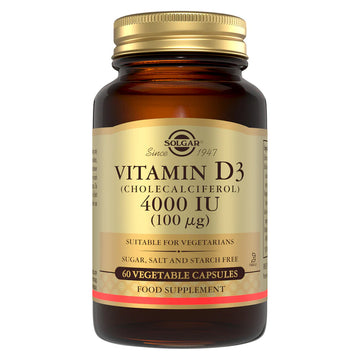
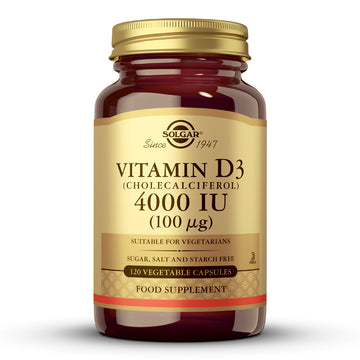
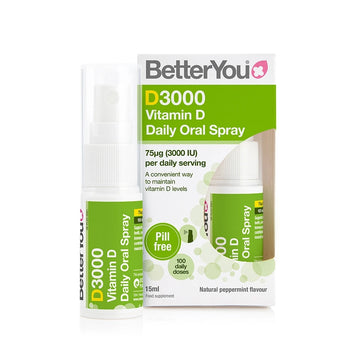
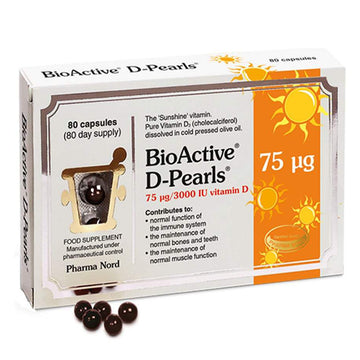
At Evergreen, you'll find vitamin D available as:
- capsules and tablets
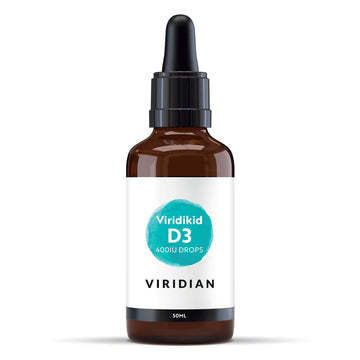
- liquid drops
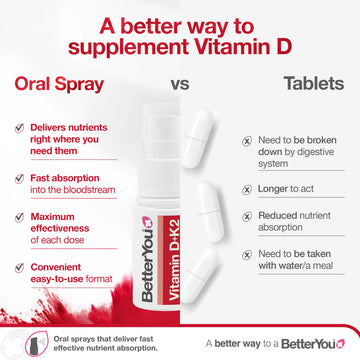
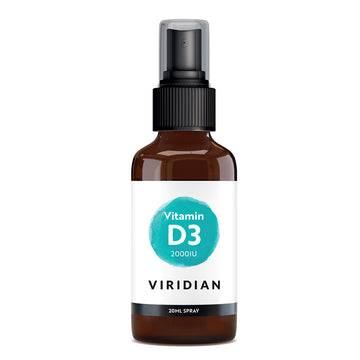
- oral sprays
- children's drops
- combination supplements
- vegan vitamin D3
There isn't one format that's right for everybody. If you dislike swallowing tablets, for example, a liquid or spray may be more convenient.
Check the strength
You'll also see vitamin D expressed in either micrograms (µg or mcg) or International Units (IU).
For vitamin D, 1 microgram = 40 IU
So, for example:
- 5µg = 200IU
- 10µg = 400IU
- 15µg = 600IU
- 25µg = 1,000IU
- 50µg = 2,000IU
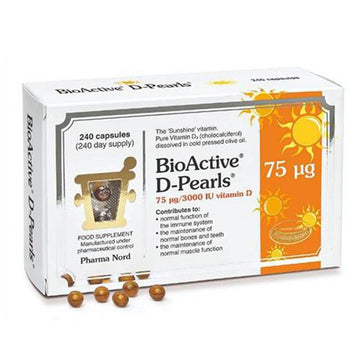
- 75µg = 3,000IU
- 100µg = 4,000IU
Higher isn't automatically better. Check the recommended serving, consider any vitamin D you're already getting from other supplements and choose a strength that's appropriate for you.
If you've been advised to take a particular amount because of a deficiency or medical condition, follow the advice of your healthcare professional.
Vitamin D supplements at Evergreen
We stock a wide range of Vitamin D Supplements, so rather than presenting five products as universally the “best”, we'd recommend choosing according to your needs.
For example, you might prefer:
A convenient everyday capsule or tablet
A traditional option for anyone who finds tablets or capsules easy to include in their daily routine.
A vitamin D oral spray
Sprays can be particularly convenient if you'd rather not swallow a tablet or capsule.
Liquid vitamin D3
Drops offer another easy-to-take format and can be useful for people looking for greater flexibility.
Vegan vitamin D3
Vitamin D3 derived from lichen provides an option for people following a vegan diet.
Vitamin D for children
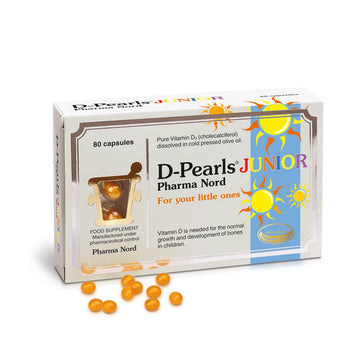
Children's vitamin D products are available in age-appropriate strengths and easy-to-use formats. Explore our Kids' Vitamin D Supplements range for the options available.
Or browse the complete Vitamin D Supplements collection to compare formats, strengths and brands.
The Evergreen view
Vitamin D is particularly worth thinking about when you live in Ireland, where sunshine can't provide all of us with sufficient vitamin D throughout the year.
Start with the basics: include vitamin-D-containing foods in a varied diet, follow the current Irish supplementation guidance for your age and circumstances, and choose a supplement appropriate for you if you need one.
If you're unsure which strength or format to choose, our Evergreen team is always happy to help.
Evergreen – Good Health, Naturally.
Please note, this blog is for informational purposes only and should not replace medical advice.
It’s always best to consult your doctor before taking any new supplements, treatments or remedies if you are pregnant, breastfeeding or on medication.
Checked and updated: 8th September 2026