

A guide to key nutrients that support women’s health, energy and everyday wellbeing
Women’s nutritional needs can change throughout life. From menstruation and busy working years to pregnancy, perimenopause, menopause and beyond, different stages can bring different priorities for energy, bone health, immunity and general wellbeing. Good nutrition should always start with food. A varied diet containing plenty of vegetables and fruit, wholegrains, protein, healthy fats, nuts, seeds and pulses provides a foundation of important vitamins and minerals.
Supplements can have a role too, particularly when dietary intake is insufficient, nutritional requirements change or a healthcare professional has recommended additional support. The important thing is to understand which nutrients you need and why, rather than assuming that every woman needs the same supplement.
Multinutrients for everyday nutritional support
A good multinutrient can provide a convenient nutritional foundation alongside a varied, balanced diet. BioCare’s range includes comprehensive formulations with carefully selected vitamins and minerals in forms designed to be well absorbed and utilised by the body.
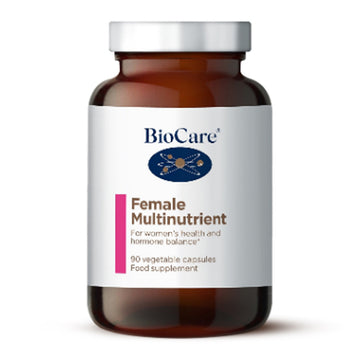
BioCare Female Multinutrient is specifically formulated for women during their childbearing years, providing a broad combination of vitamins and minerals including folate, vitamin B12, vitamin B6, iron, zinc, magnesium and vitamins C, D and K. It can be a useful option for women looking for comprehensive nutritional support, particularly where energy, skin, hair, nails and general wellbeing are priorities. BioCare also uses methylfolate and methyl B12 in the formula.
For broader everyday nutritional support, BioCare Methyl Multinutrient provides a comprehensive combination of vitamins and minerals, including methylfolate and methyl B12. It can be considered by women looking for nutritional support through busy periods of life, particularly when diet, lifestyle or increased demands make maintaining a balanced intake more challenging.
Supporting pregnancy and pre-conception nutrition
Pregnancy and the months leading up to conception are times when nutritional requirements become particularly important.
BioCare Methyl Pregnancy Multinutrient is formulated for women from pre-conception through pregnancy and breastfeeding, providing nutrients including folate, iron, zinc, choline and vitamin D. Folate is particularly important before and during pregnancy. The recommended daily intake of 400 micrograms of folic acid is advised for women who are trying to conceive and during the first 12 weeks of pregnancy. Always speak to your GP, midwife or healthcare professional about your individual nutritional needs during pregnancy.
Supporting women through peri menopause and menopause
Menopause is another stage of life when nutritional needs and priorities can change. Sleep, energy, mood and bone health can all become more important considerations, alongside maintaining a varied and nutrient-rich diet. A comprehensive multinutrient can be a useful addition to a healthy lifestyle, while individual nutrients such as magnesium may also be worth considering depending on your needs.
BioCare Magnesium Glycinate is one option for women looking to increase their magnesium intake. Magnesium contributes to normal psychological function, normal functioning of the nervous system and the reduction of tiredness and fatigue. For women looking for broader nutritional support during midlife, BioCare Methyl Multinutrient provides a comprehensive range of vitamins and minerals that can complement a balanced diet.
Supporting energy, stress and everyday wellbeing
Busy lives, work, family commitments and hormonal changes can all leave you feeling like you're running on empty. B vitamins contribute to normal energy-yielding metabolism and normal functioning of the nervous system, making them important nutrients to consider as part of a balanced diet. BioCare B Complex provides a range of B vitamins and can be a useful option when you're looking for targeted nutritional support.
Magnesium is another nutrient worth considering. Alongside its role in normal nervous system and psychological function, magnesium contributes to the reduction of tiredness and fatigue. If you're looking for additional support during stressful periods, BioCare Calm Complex can complement lifestyle habits such as regular movement, good sleep, relaxation and taking time for yourself.
Supporting healthy fats and omega-3 intake
Omega-3 fatty acids are another important part of a balanced diet. Oily fish such as salmon, sardines and mackerel are excellent sources, while plant foods such as flaxseeds and chia seeds provide alpha-linolenic acid. If you don't regularly eat oily fish, an omega-3 supplement can be a convenient way to increase your intake. BioCare Mega EPA 1000mg provides a concentrated source of omega-3 fatty acids, including EPA and DHA. DHA contributes to the maintenance of normal brain function when the authorised daily intake is met.
Don't forget the female microbiome
Women's health isn't just about hormones and vitamins. The vaginal microbiome is also an important part of female wellbeing. BioCare Female Biotic contains selected strains of Lactobacillus, alongside cranberry and vitamin B6, and is formulated specifically for female intimate health and microbiome support. It can be a useful option to consider as part of a wider approach to female wellbeing, alongside good nutrition and everyday healthy habits.
Which supplement is right for you?
There isn't one supplement that is right for every woman. Your nutritional needs can vary depending on your age, diet, lifestyle and stage of life. Think about what you're looking to support first. Are you looking for comprehensive nutritional support, preparing for pregnancy, navigating menopause, looking after your energy and wellbeing, or focusing on your omega-3 or microbiome intake?
Ultimately, it’s about finding balance. Good nutrition, regular movement, quality sleep and managing everyday stress all contribute to overall wellbeing, while supplements can provide additional nutritional support where needed. A supplement should complement a healthy, varied diet rather than replace it.