

Vitamin D3 and K2: What Do They Do and Why Take Them Together?
You may have noticed that vitamin D3 and K2 are often found together in supplements. But why are these two vitamins paired, what does each one do, and do you need to take vitamin K2 with vitamin D3?
Both vitamin D and vitamin K have important roles in the body, including helping to maintain normal bones. They do different jobs, however, so it helps to understand each vitamin before deciding whether a combined D3 and K2 supplement is right for you.
Here’s our straightforward guide.
What is vitamin D3?
Vitamin D is an essential nutrient with several important roles in the body. Vitamin D3, also known as cholecalciferol, is one of the forms of vitamin D commonly found in supplements.
Vitamin D contributes to:
- the normal function of the immune system
- the maintenance of normal bones and teeth
- normal muscle function
- normal absorption and use of calcium and phosphorus
- normal blood calcium levels
Our bodies can make vitamin D when our skin is exposed to sunlight, which is why it is sometimes called the “sunshine vitamin”. However, here in Ireland, sunlight isn't strong enough during much of the year for us to make sufficient vitamin D through our skin alone. Vitamin D is also found naturally in relatively few foods.
You can read more in our guide to Vitamin D and why it's important or explore our Vitamin D Supplements.
What is vitamin K2?
Vitamin K is another fat-soluble vitamin. There are different forms of vitamin K, including vitamin K1 and vitamin K2. Vitamin K contributes to normal blood clotting and the maintenance of normal bones.
Vitamin K1 is particularly associated with green leafy vegetables, while vitamin K2 is found in some fermented foods and animal-derived foods. K2 is also the form you'll frequently see paired with vitamin D3 in supplements.
When looking at supplement labels, you may see terms such as MK-7 or MK-4. These simply refer to different forms of vitamin K2.
Why are vitamin D3 and K2 taken together?
The connection becomes easier to understand when we look at their roles in maintaining healthy bones. Vitamin D helps the body absorb and use calcium and helps maintain normal blood calcium levels. Vitamin K contributes to the maintenance of normal bones.
Because both nutrients have recognised roles in bone health, you'll often find vitamin D3 and K2 combined in the same supplement.
That doesn't mean that vitamin D3 must always be taken with K2. They are individual nutrients with their own functions, and whether a combined supplement is appropriate will depend on your diet, individual needs and any other supplements you're already taking.
What are the benefits of vitamin D3 and K2?
It's easy to find quite dramatic claims online about the benefits of taking D3 and K2 together. We prefer to stick to what we know about the recognised nutritional roles of the two vitamins.
Supporting normal bones
Both vitamins contribute to the maintenance of normal bones. Vitamin D also contributes to the normal absorption and use of calcium and phosphorus, as well as helping to maintain normal blood calcium levels.
Supporting the immune system
Vitamin D contributes to the normal function of the immune system.
Vitamin K doesn't share this particular recognised role, so it's more accurate to attribute this benefit to vitamin D rather than the D3 and K2 combination.
Supporting normal muscle function
Vitamin D contributes to the maintenance of normal muscle function.
Again, this is a role of vitamin D rather than a reason to attribute additional benefits to combining it with K2.
Do you need to take vitamin K2 with vitamin D3?
Not necessarily. You'll sometimes come across advice online suggesting that vitamin D should always be taken alongside vitamin K2. The evidence doesn't support turning this into a universal rule for everyone taking vitamin D.
A combined supplement can be a convenient way of getting both nutrients if they're appropriate for your needs, but vitamin D is also widely available and commonly taken on its own.
The important thing is to consider your overall diet, the amounts provided by your supplements and your individual circumstances rather than assuming that more ingredients automatically make a supplement better.
Should you take vitamin D3 and K2 at the same time?
If you've chosen a supplement that contains both vitamin D3 and K2, you can take them together as directed on the product. Both are fat-soluble vitamins, so taking your supplement with a meal containing some fat may help with absorption.
Always follow the directions for the particular product you're using, as strengths and recommended servings vary.
What about calcium, vitamin D3 and K2?
Calcium, vitamin D and vitamin K all have recognised roles in maintaining normal bones, which is why you may see all three included in some bone-health supplements.
Calcium is needed for the maintenance of normal bones and teeth, while vitamin D contributes to the normal absorption and use of calcium. Vitamin K also contributes to the maintenance of normal bones.
Many people can obtain calcium through foods such as dairy products, fortified alternatives and some green vegetables, so a calcium supplement won't be necessary for everyone.
If you're considering supplementing calcium as well as D3 and K2, look at your diet and existing supplements first rather than automatically adding all three.
What about magnesium and vitamin D?
Magnesium and vitamin D are also frequently discussed together.
Magnesium is another essential mineral and has its own recognised roles in the body, including contributing to normal muscle function, normal energy-yielding metabolism and the maintenance of normal bones.
You'll find magnesium alongside vitamin D in some supplement formulas, but that doesn't mean everyone taking vitamin D also needs a magnesium supplement.
If you'd like to understand it better, our guide to magnesium explains its roles, food sources and the different types of magnesium supplements available.
How do I choose a vitamin D3 and K2 supplement?
If you've decided that you'd like a combined supplement, there are a few simple things worth considering.
Check the strength. Look at how much vitamin D3 and K2 the recommended daily serving provides rather than assuming the highest-strength product is best.
Look at the form of K2. You may see K2 described as MK-7 or MK-4. These are simply different forms of vitamin K2.
Choose a format that suits you. D3 and K2 supplements are available as capsules, tablets, liquids and oral sprays. The best format is often the one you'll find easiest to take consistently.
Check what you're already taking. Vitamin D and K can also be present in multivitamins and other combination supplements, so check the labels before adding another product.
You can explore our full range of Vitamin D3 & K2 Supplements to compare the different options available at Evergreen.
Can everyone take vitamin D3 and K2?
This is an important consideration with vitamin K.
If you take anticoagulant medication such as warfarin, speak to your doctor, pharmacist or another qualified healthcare professional before taking a supplement containing vitamin K. Vitamin K can interact with some anticoagulant medicines.
It's also sensible to seek professional advice if you're pregnant or breastfeeding, have a medical condition, take regular medication or aren't sure whether a particular supplement is appropriate for you.
Some D3 and K2 options at Evergreen
If a combined supplement suits your needs, there are several different formats available.
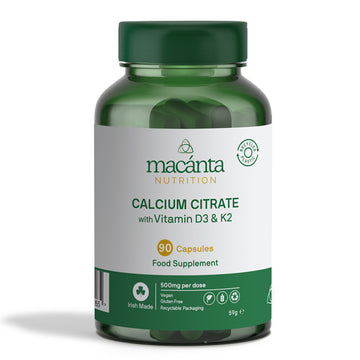
Macánta Calcium Citrate with D3 & K2 combines calcium with vitamins D3 and K2, making it an option for people specifically looking for all three nutrients within one formula.
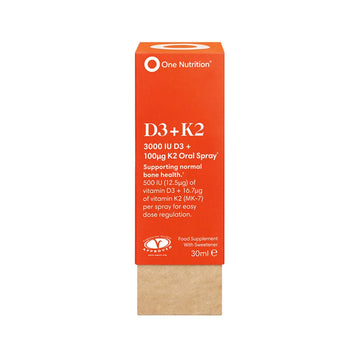
If you'd rather avoid tablets or capsules, One Nutrition D3 & K2 Oral Spray provides both vitamins in an easy-to-use spray format.
Nature's Plus Vitamins D3 & K2 2500IU provides another combined D3 and K2 option in tablet form.
You can compare these and other options in our complete Vitamin D3 & K2 Supplements collection.
The Evergreen view
Vitamin D3 and K2 are often paired because both have recognised roles in maintaining normal bones, although each vitamin has its own individual functions too.
A combined D3 and K2 supplement can be a convenient choice, but that doesn't mean everyone taking vitamin D needs to add K2. Start with your diet and individual needs, check what your existing supplements already provide, and choose a product that's appropriate for you.
If you're unsure, our Evergreen team is always happy to help you understand the different options.
Evergreen – Good Health, Naturally.
Edited 8th September 2026