

From fibre and fermented foods to probiotics and mindful eating, discover simple ways to look after your gut health.
Your digestive system does a lot more than process the food you eat. It breaks down food, absorbs nutrients and works alongside a community of microorganisms known as the gut microbiome. Yet when life gets busy, digestive health can easily slip down the priority list. Eating on the go, not getting enough fibre, changes in routine and everyday stress can all influence how comfortable we feel after meals.
The good news? Supporting gut health doesn't have to mean completely changing your diet or buying lots of supplements. Often, it's the small things you do consistently that make the biggest difference.
Why is gut health so important?
Your digestive system includes the stomach, intestines and other organs that work together to break down food and absorb nutrients. Your gut is also home to trillions of microorganisms, including bacteria, that make up the gut microbiome. These microorganisms help break down certain components of food, particularly fibres that our own digestive enzymes cannot digest.
Researchers are also exploring connections between the gut microbiome, immune function and the gut-brain axis, the communication network linking the digestive system and the brain. While there's still plenty to learn about what makes an ideal microbiome, we do know that a varied, balanced diet and healthy everyday habits are good places to start.
Start with fibre: an everyday essential
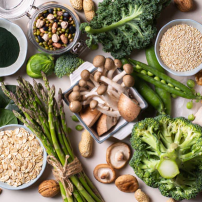
Fibre is one of the most useful nutrients to focus on when thinking about digestive health. Found in plant foods, dietary fibre helps support normal bowel function. Different types of fibre behave differently: some add bulk to stools, while others absorb water or are fermented by microorganisms in the large intestine.
Try including a variety of fibre-rich foods throughout the week:
-
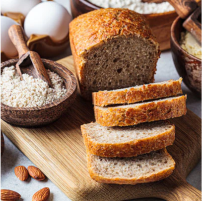
Wholegrains: oats, wholemeal bread, brown rice and barley
-
Beans and pulses: chickpeas, lentils and kidney beans
-
Vegetables and fruit: apples, pears, carrots, broccoli and berries
-
Nuts and seeds: chia seeds, flaxseeds and almonds
In Ireland, adults are generally encouraged to aim for around 25–29g of fibre per day. If your current intake is low, increase it gradually and drink enough fluids. A sudden jump in fibre can sometimes lead to temporary bloating or gas.
What about fibre supplements?
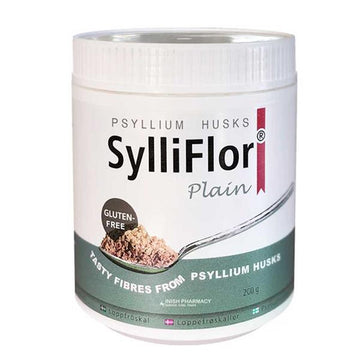
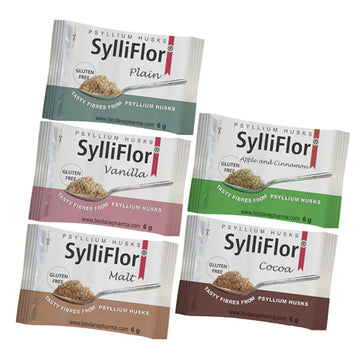
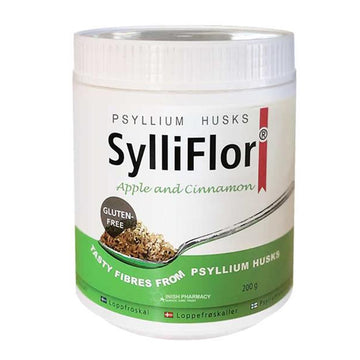
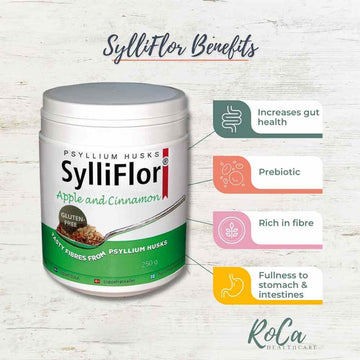
Food should be the first choice, but fibre supplements can be useful for people who find it difficult to meet their needs through diet alone. Psyllium husk is a source of soluble fibre that absorbs water and forms a gel-like consistency. This is why it's commonly used in products designed to help people increase their fibre intake.
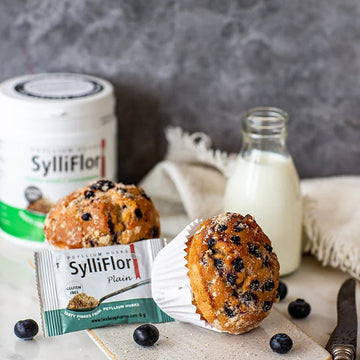
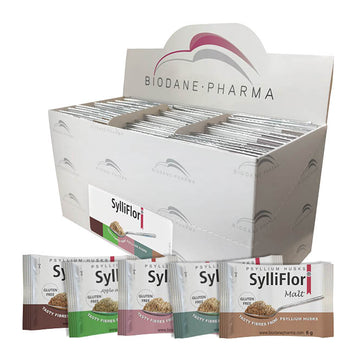
The SylliFlor digestive range offers psyllium-based fibre supplements in different options. As with any fibre supplement, follow the preparation instructions carefully, take it with sufficient fluid and check for any advice about spacing it apart from medication.
Probiotics and prebiotics: what's the difference?
You've probably heard both terms mentioned when talking about gut health, but they aren't the same thing.
- Probiotics are live microorganisms that, when given in adequate amounts, confer a health benefit on the host. Different probiotic strains have been studied for different purposes, so the specific strains and evidence matter more than simply choosing the product with the highest number of bacteria.
- Prebiotics are substances that are selectively used by microorganisms in the body and provide a health benefit. Certain dietary fibres act as prebiotics, but not all fibre is prebiotic.
Foods such as onions, garlic, oats, bananas and legumes can help provide a variety of fibres as part of your diet.
Do you need a probiotic supplement?
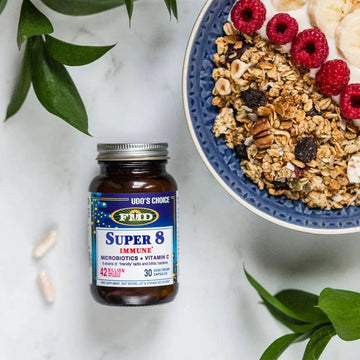
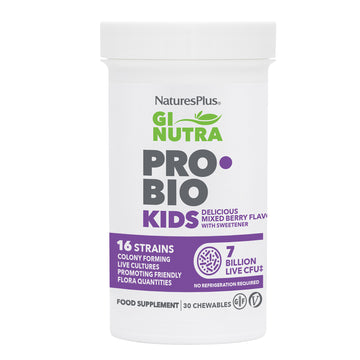
Not necessarily. Many people can support their everyday digestive wellbeing through food and lifestyle habits alone. If you're considering a probiotic, it's worth looking at the strains included, the intended use, storage requirements and suitability for your needs. Evergreen's Optibac probiotics range includes formulations for different ages and preferences. You can also explore established customer favourites such as Udo's Choice Super 8 and Symprove, which feature in Evergreen's digestive supplements and probiotics collection. A probiotic isn't a universal solution for bloating, constipation or other digestive symptoms. If symptoms persist, getting advice on the underlying cause is more useful than repeatedly changing supplements.
Discover fermented foods
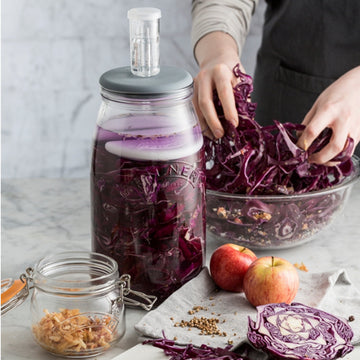
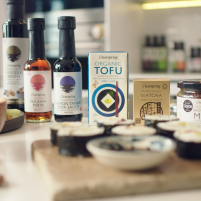
Fermentation is a traditional way of preparing and preserving food using microorganisms. You may already enjoy fermented foods without thinking much about them. Yoghurt, kefir, sauerkraut, kimchi, miso and kombucha are all familiar examples. Some fermented foods contain live microorganisms when consumed, although not all fermented products do, and not every fermented food has demonstrated probiotic benefits.The appeal of fermented foods is also about flavour and variety. They can introduce different tastes and textures into everyday meals.
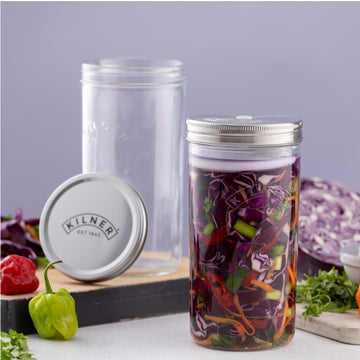
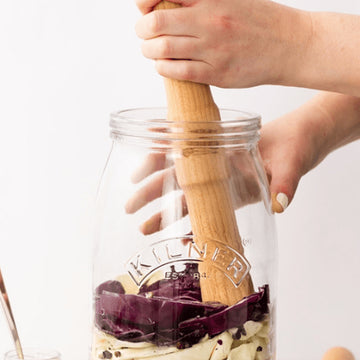
Try fermentation at home with Kilner
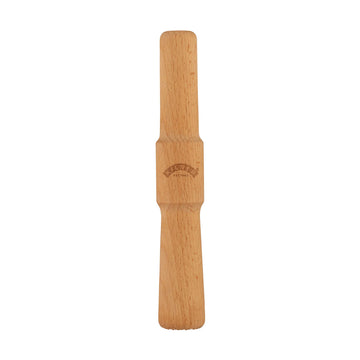
If you enjoy making things from scratch, home fermentation can be a fun way to experiment with vegetables and new flavours. Evergreen's Kilner fermentation range includes equipment for preparing fermented foods at home. A simple place to begin is fermented cabbage or other vegetables, using a reliable, tested recipe. Clean equipment, the correct salt concentration, suitable fermentation conditions and keeping vegetables submerged are all important for food safety. You don't need to become a fermentation expert overnight. Start with a small batch, follow the instructions carefully and enjoy learning something new.
What about kombucha?
Kombucha is a fermented tea drink, often enjoyed as a refreshing alternative to soft drinks. It's made by fermenting sweetened tea with a culture of bacteria and yeast. The finished drink can have a slightly tangy taste, gentle fizz and a variety of flavours. While kombucha is sometimes promoted for gut health, research into its specific health benefits in humans is still limited. It's best enjoyed as a drink you like rather than a treatment for digestive problems. For a convenient ready-to-drink option, explore SynerChi Kombucha and All About Kombucha, including their canned varieties. Check the label if you're watching your sugar intake, and remember that fermented drinks may contain small amounts of alcohol. Why not try our Homemade Apple, Ginger & Berry Kombucha with an Autumnal Twist recipe for a refreshing, fruity twist on Kombucha.
Can digestive supplements play a role?
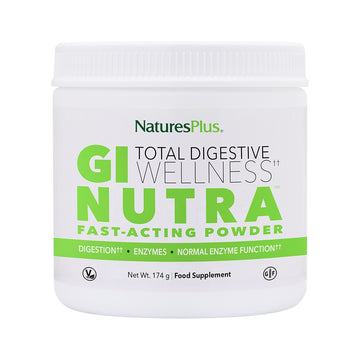
There are many types of digestive supplements, and they don't all serve the same purpose. Alongside probiotics and fibre, some formulations include digestive enzymes, prebiotic ingredients and other nutrients. Digestive enzymes are proteins involved in breaking down food into smaller components. Our bodies naturally produce them, and certain enzymes are also available as supplements. However, routine digestive enzyme supplementation isn't necessary for most healthy people.
The Nature's Plus GI Natural ProBio Range brings together different digestive-focused ingredients, including prebiotics, probiotics and enzymes in selected formulations. When considering any digestive supplement, look at what it actually contains and whether it meets a specific need. More ingredients don't automatically mean a better choice.
Make time for a comforting cup of tea
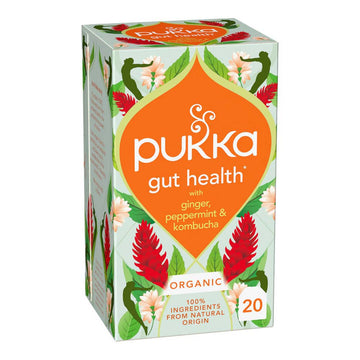
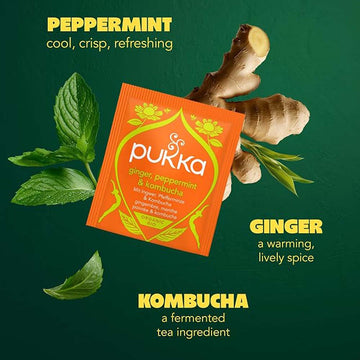
Sometimes, looking after your digestion is as much about the routine around eating as the food itself. Taking time to sit down, eat at a comfortable pace and unwind after a busy day can make meals feel less rushed. A warm herbal tea can be a lovely part of that routine. Pukka Organic Gut Health Tea is one option for anyone who enjoys herbal blends. A cup of tea doesn't need to promise dramatic results. Sometimes, the simple act of slowing down is worthwhile in itself.
Five everyday habits for a happier gut
You don't need a complicated gut-health routine. Start with a few manageable habits:
- Eat more plants. Include a variety of vegetables, fruit, wholegrains, beans, nuts and seeds across the week.
- Increase fibre gradually. Give your digestive system time to adjust and remember to drink enough water.
- Move regularly. Walking and other enjoyable activities can help support normal bowel function.
- Slow down at mealtimes. Sit down when possible, chew your food and notice how different meals make you feel.
- Make room for rest. Sleep and stress management are important parts of overall wellbeing, including how we experience digestive symptoms.
You don't need to do everything at once. Even one small change, repeated regularly, can be a useful starting point.
When should you seek advice about digestive symptoms?
Occasional digestive discomfort is common, but persistent symptoms shouldn't simply be dismissed as a sign of an unhappy gut. Speak to your GP if you experience ongoing bloating, persistent constipation or diarrhoea, recurring abdominal pain or a noticeable change in bowel habits. Seek prompt medical advice for symptoms such as blood in your stool, unexplained weight loss or significant abdominal pain. It's also worth getting advice before removing major food groups from your diet, particularly if you suspect a food intolerance or coeliac disease.
Finding your own gut-health balance
Good digestive health isn't about following every wellness trend or adding more and more products to your routine. It's about finding a balance that works for you: a varied diet, enough fibre and fluids, regular movement, enjoyable food and time to slow down. Fermented foods and drinks can bring something different to your meals, while supplements may have a supporting role where appropriate. Whether you're experimenting with homemade sauerkraut, trying a new fibre-rich breakfast or simply making more time to enjoy your meals, looking after your gut can start with small, everyday choices. For more ideas, browse Evergreen's Digestive Health collection or explore our digestive health advice blogs. Why not try our Homemade Apple, Ginger & Berry Kombucha with an Autumnal Twist recipe for a refreshing, fruity twist on Kombucha.