

Supporting energy, muscle, metabolic health and healthy weight through midlife
If managing your weight feels different in your 40s and 50s, you’re not imagining it. Menopause metabolism is influenced by several changes happening at once, including shifts in hormones, muscle mass, sleep, stress and activity levels. In the 2025 Healthy Ireland Survey, 51% of women who were experiencing or had experienced menopause reported changes in weight or body shape. Fatigue and difficulty sleeping were also commonly reported.¹ Weight gain is not inevitable, and there is no need to approach menopause as something to “fight”. Understanding how your body is changing can help you make informed choices that support strength, energy and long-term health.
Why does metabolism change during menopause?
Metabolism describes the processes your body uses to turn food into energy and maintain everyday functions. During midlife, both ageing and the menopause transition can influence your energy needs and body composition. Muscle mass tends to decline with age, which can reduce daily energy expenditure. At the same time, changes in oestrogen during menopause are associated with a shift in where the body stores fat, particularly towards the abdomen.² This helps explain why habits that suited you earlier in life may need adjusting now. The goal is not to chase a faster metabolism but to support your changing nutritional and physical needs.
What causes “menopause belly”?
“Menopause belly” is an informal term for increased fat around the middle during the menopause transition. Falling oestrogen is associated with a greater tendency to store fat centrally.² Some abdominal fat is stored beneath the skin, while visceral fat is stored deeper in the abdomen, around internal organs. Higher levels of visceral fat are associated with increased cardiometabolic risk. This is why strength, fitness, waist measurement and overall metabolic health can offer a broader picture of wellbeing than the number on the scales alone.
How do stress and sleep affect menopause weight management?
Stress does not simply “switch off” your metabolism. However, ongoing stress can influence sleep, appetite, food choices and how much energy you have for everyday movement. Sleep disruption is also common during menopause. Hot flushes, night sweats and changes in mood can make restful nights harder to achieve. The HSE lists difficulty sleeping, loss of muscle and weight gain among possible menopause symptoms.³
Research suggests that insufficient sleep may increase hunger and food intake, although its effects on appetite hormones vary between studies.⁴ Rather than trying to control one hormone, focus on habits that support recovery:
- Keep caffeine earlier in the day if it affects your sleep.
- Create a consistent evening wind-down routine.
- Keep your bedroom cool and comfortable.
- Eat regular, satisfying meals.
- Make time for enjoyable movement and relaxation.
If poor sleep, fatigue or other menopause symptoms are affecting daily life, speak to your GP about appropriate support.
How can you preserve muscle during menopause?
Maintaining muscle is an important part of supporting strength and metabolic health in midlife. Resistance exercise helps maintain muscle strength and function, while dietary protein supplies the amino acids needed for muscle maintenance. Include a meaningful source of protein at meals. Options include eggs, fish, poultry, Greek yoghurt, tofu, tempeh, beans and lentils. You can explore Evergreen’s tofu collection, lentils and nuts and seeds for everyday meal ideas.
Strength training does not have to mean lifting heavy weights at a gym. Exercises using resistance bands, hand weights or your own body weight can all form part of a routine suited to your ability. Combine these with walking, cycling, swimming or other activities you enjoy.
What is a practical diet for menopause?
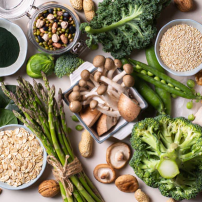
There is no single “menopause diet”. A sustainable eating pattern that provides enough protein, fibre, healthy fats and essential nutrients is more useful than an overly restrictive plan. A Mediterranean-style approach offers a helpful framework, with plenty of vegetables, fruit, legumes, wholegrains, nuts, seeds, olive oil and fish. Research into Mediterranean-style dietary interventions in menopausal women suggests potential health benefits, although further studies are needed.⁵
For an easy meal, try salmon with roasted vegetables and lentils, or a chickpea and quinoa salad with leafy greens, seeds and olive oil. If you would like to add more protein to your meals, browse Evergreen’s protein range. For fibre-rich ingredients, explore beans, peas and pulses.
Why can restrictive dieting make weight management harder?
When your weight changes unexpectedly, cutting back sharply on food can feel tempting. But aggressive restriction may make it harder to eat enough protein and other nutrients, maintain muscle and sustain an active routine. Instead of asking, “How little can I eat?”, try asking, “How can I nourish my body while supporting muscle, energy and metabolic health?” If you need personalised weight-management advice, a registered dietitian or healthcare professional can help you develop an approach that accounts for your health, preferences and nutritional needs.
Which nutrients support normal metabolism during menopause?
Food should provide the foundation of your nutritional intake. Supplements may be useful when your diet does not meet a particular need, but no supplement can replace balanced meals, movement or sleep.
Magnesium
Magnesium contributes to normal energy-yielding metabolism and normal muscle and nervous system function. Food sources include pumpkin seeds, nuts, beans, wholegrains and leafy greens. If supplementation is appropriate for you, BioCare Magnesium Glycinate is one option to consider. You can also explore Evergreen’s magnesium collection.
Omega-3 fatty acids
Oily fish such as salmon, sardines and mackerel provide the omega-3 fatty acids EPA and DHA. If you rarely eat oily fish, BioCare Mega EPA offers a convenient way to supplement your intake. Explore Evergreen’s omega oils collection for further options.
Chromium
Chromium contributes to normal macronutrient metabolism and the maintenance of normal blood glucose levels. However, chromium supplements should not be viewed as a weight-loss shortcut. If you are concerned about blood glucose regulation or have diabetes, speak to your healthcare professional before choosing a supplement.
BioCare nutritional support for menopause
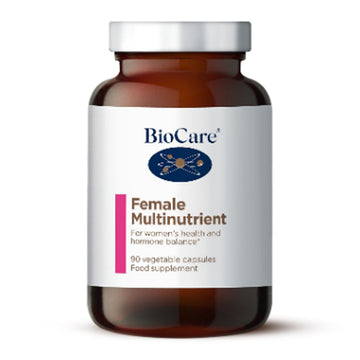
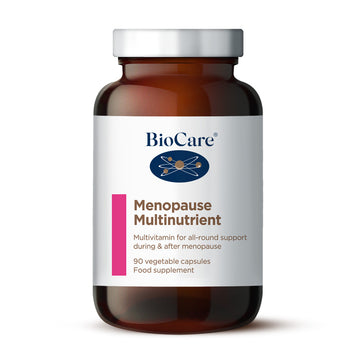
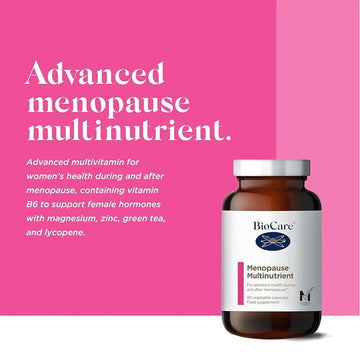
If you would prefer a broader supplement rather than choosing individual nutrients, BioCare Menopause Multinutrient is formulated for women during and after menopause. It contains a range of vitamins and minerals, including B vitamins, magnesium, zinc and vitamin D. Check the label before combining it with other supplements, as you may already be getting some of the same nutrients. For more options, browse Evergreen’s menopause collection, women’s health supplements or the full BioCare range.
What about gut health and genetics?
The gut microbiome is an active area of menopause research. Hormonal changes may influence its composition, but researchers are still exploring what this means for individual symptoms and metabolic health. A varied diet containing fibre-rich plant foods is a practical starting point. You can also explore Evergreen’s digestive health and probiotics collection. Genes can influence body-weight regulation, too, but they do not determine one fixed outcome. Your eating pattern, activity, sleep, environment and health all contribute to the bigger picture.
When should you speak to your GP?
If you are experiencing persistent fatigue, significant sleep disruption, unexpected weight changes or other symptoms that concern you, speak to your GP. Not every change in energy or body weight is caused by menopause, and a healthcare professional can help assess other possible factors. For information and support in Ireland, visit the HSE menopause information pages and Menopause Society Ireland.
Menopause metabolism: frequently asked questions
Does menopause slow your metabolism?
Daily energy expenditure can decline with age, partly as muscle mass and activity levels change. Menopause is also associated with changes in fat distribution. Both ageing and the menopause transition contribute to the changes some women notice in midlife.
Why does weight tend to gather around the middle during menopause?
Changes in oestrogen are associated with a shift towards storing more fat around the abdomen. Ageing, genetics, activity and other lifestyle factors can also influence body composition.
What exercise helps maintain muscle during menopause?
Resistance exercises using weights, bands or body weight can help maintain muscle strength and function. Choose an approach that suits your fitness and ability, and combine it with regular everyday movement.
Is there a best diet for menopause weight management?
There is no single diet that suits everyone. A balanced, sustainable eating pattern with sufficient protein, vegetables, fruit, wholegrains, legumes and healthy fats provides a practical foundation.
Can supplements boost metabolism during menopause?
Supplements can help meet specific nutritional needs, and some nutrients contribute to normal energy-yielding metabolism. However, they should not be expected to cause weight loss or replace a balanced diet and active lifestyle.
The bottom line
Menopause metabolism is influenced by more than hormones. Ageing, muscle mass, sleep, stress, diet and activity all contribute to how your body uses energy and changes over time. Focus on habits that support strength, nourishment, restful sleep and overall wellbeing. Small, sustainable adjustments are more useful than chasing a quick fix.
Key points
- Menopause and ageing both affect body composition. Muscle mass may decline with age, while hormonal changes are associated with greater fat storage around the abdomen.
- Protecting muscle matters. Regular resistance exercise and sufficient dietary protein support strength and physical function through midlife.
- Sleep and stress are part of the picture. Supporting recovery can make it easier to maintain nourishing eating habits and an active routine.
- Choose sustainable nutrition over extreme restriction. A varied, Mediterranean-style eating pattern offers a practical foundation for everyday health.
- Supplements have a supporting role. Consider them for specific nutritional needs, not as a substitute for food, movement or personalised healthcare.
Bibliography and further reading
-
-
Government of Ireland. Healthy Ireland Survey 2025.
-
Hurtado MD, Saadedine M, Kapoor E, Shufelt CL, Faubion SS. Weight Gain in Midlife Women. Current Obesity Reports. 2024;13:352–363. doi:10.1007/s13679-024-00555-2.
-
Health Service Executive. Menopause symptoms.
-
St-Onge MP, Grandner MA, Brown D, et al. Sleep, Health, and Metabolism in Midlife Women and Menopause: Food for Thought. Menopause. 2018.
-
Gonçalves C, Moreira H, Santos R. Systematic review of Mediterranean diet interventions in menopausal women. AIMS Public Health. 2024;11(1):110–129. doi:10.3934/publichealth.2024005.
-
Menopause Society Ireland. Menopause information and resources.
-
BioCare Article Navigating Midlife Metabolism - Nutrition and Lifestyle Support Through Menopause.
-