

What Is Collagen? Benefits, Types & How to Take It
Collagen has become one of the most talked-about supplements in beauty and wellbeing, with powders, peptides, liquids and capsules now widely available. But what exactly is collagen, what does it do in the body and what's the difference between marine collagen, bovine collagen and collagen peptides?
Here's our straightforward guide to understanding collagen and choosing between the different types of collagen supplements.
What Is Collagen?
Collagen is a protein found naturally throughout the body. It forms part of our skin, bones, cartilage, tendons and other connective tissues, helping to provide them with structure. Like other proteins, collagen is made from amino acids – the building blocks our bodies use to make proteins.
There are many different types of collagen in the body, although types I, II and III are among the most common.
What Does Collagen Do in the Body?
Collagen has different structural roles depending on where it is found.
Type I collagen is particularly abundant in skin, bone and tendons.
Type II collagen is found mainly in cartilage.
Type III collagen is found in tissues including skin, muscles and blood vessels and is often found alongside type I.
Our bodies make collagen naturally using amino acids obtained from the protein in our diet, along with nutrients including vitamin C.
What Happens to Collagen as We Get Older?
The body's production and maintenance of collagen changes naturally as we age. Lifestyle and environmental factors can also influence the skin's collagen over time. This is one reason collagen has become such a popular area of research, particularly in relation to skin and healthy ageing.
It doesn't mean everyone needs to take a collagen supplement. A balanced diet providing enough protein and essential nutrients remains important for the body's normal processes.
What Are the Potential Benefits of Collagen Supplements?
Collagen supplements have attracted considerable research interest, particularly around skin and joint health.
However, it's important to distinguish between collagen's natural role within the body and the benefits we can confidently attribute to taking a collagen supplement. Eating collagen doesn't simply send it directly to your skin or joints. During digestion, collagen is broken down into peptides and amino acids that the body can use.
Research into collagen supplementation continues to develop, and results can depend on the type of collagen, amount taken, length of supplementation and population being studied.
For that reason, we prefer to look at collagen supplements as part of a balanced approach to nutrition rather than promising dramatic changes to skin, hair, nails or joints.
Collagen and Vitamin C
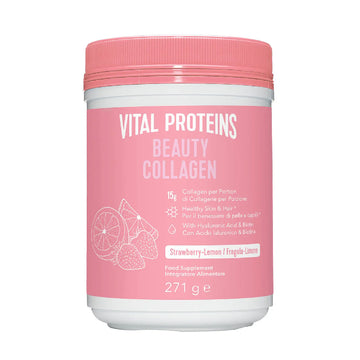
Vitamin C has an established role in the body's own collagen formation. It contributes to normal collagen formation for the normal function of skin, bones and cartilage. That's why you'll often find vitamin C included in collagen supplements.
You can also obtain vitamin C through your diet from foods such as peppers, berries, citrus fruits, broccoli and other fruit and vegetables.
What Are Collagen Peptides?
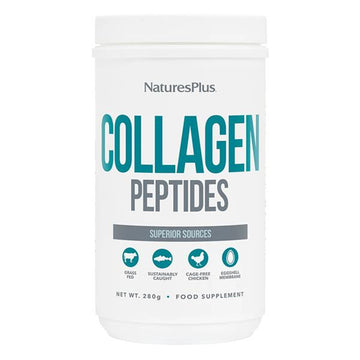
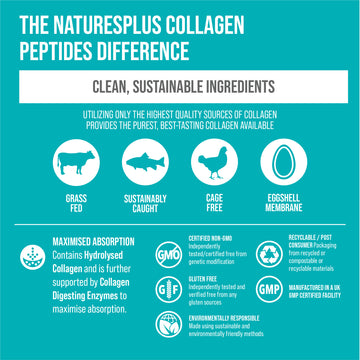
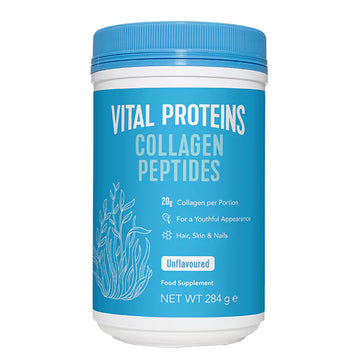
If you've been comparing collagen supplements, you've probably come across the term collagen peptides. Collagen peptides are produced by breaking collagen down into smaller pieces called peptides through a process known as hydrolysis. For this reason, you'll also see them described as hydrolysed collagen.
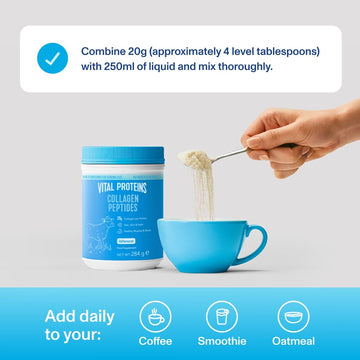
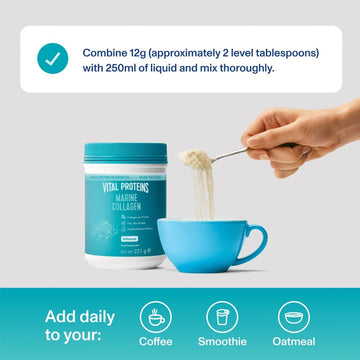
Collagen peptides are commonly sold as powders that can be mixed into food or drinks.
It's important to remember that “collagen peptides” isn't an animal source. You can have collagen peptides made from bovine or marine collagen.
Explore our range of Collagen Peptides.
What Is Marine Collagen?
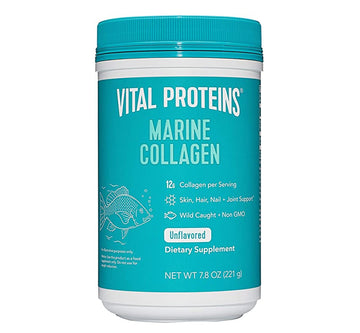
Marine collagen is collagen derived from fish, commonly from parts such as the skin and scales that contain collagen. Marine collagen supplements are available as powders, peptides, liquids, capsules and sachets.
If you prefer fish-derived collagen or simply want to compare marine options, explore our Marine Collagen Supplements collection.
What Is Bovine Collagen?
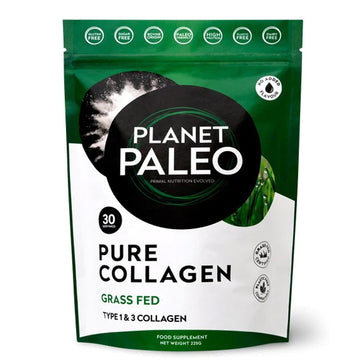
Bovine collagen is derived from cattle and is another commonly used source in collagen supplements. It's particularly common in collagen peptide powders and may be sold on its own or combined with other nutrients.
When comparing products, check the label for information about the collagen source, amount per serving and any additional ingredients.
Marine Collagen vs Bovine Collagen: What's the Difference?
The most obvious difference is their source: marine collagen comes from fish while bovine collagen comes from cattle. There can also be differences in the collagen types found in each source. Marine collagen is generally rich in type I collagen, while bovine collagen commonly provides types I and III. That doesn't automatically make one “better” than the other. Your choice may come down to dietary preference, the particular supplement, its collagen content and the format you find easiest to take consistently.
For a more detailed comparison, read our guide to Collagen Peptides vs Marine Collagen.
What Forms Do Collagen Supplements Come In?
There's now a wide choice of collagen supplements, including:
-
collagen powders
-
collagen peptides
-
liquid collagen and collagen drinks
-
capsules and tablets
-
individual shots and sachets
Powders are popular because they can often be mixed into drinks, smoothies or food, while capsules and liquids may suit people looking for a more convenient option.
There's no single format that's right for everyone. Compare the amount of collagen provided per serving and the complete ingredient list rather than choosing on format alone.
How Much Collagen Should You Take?
There isn't one standard serving that applies to every collagen supplement.
The amount of collagen can vary significantly between products and different types of formula, so follow the directions provided with the individual product rather than assuming that more collagen is necessarily better.
When Is the Best Time to Take Collagen?
There's no established time of day when everyone needs to take collagen. If you choose to use a collagen supplement, following the product directions and finding a time that fits conveniently into your routine is generally more practical than worrying about a particular time of day.
How Do You Choose a Collagen Supplement?
With so many options available, start by considering:
-
Source: marine, bovine or another source
-
Format: powder, liquid, capsule, tablet or sachet
-
Amount: how much collagen is provided per recommended serving
-
Additional ingredients: some formulas contain vitamin C or other nutrients
-
Dietary requirements and allergens: particularly important with fish-derived marine collagen
-
Convenience: choose something you'll realistically be happy to use
If you're comparing products, our Collagen Supplements collection brings together the different types and formats available at Evergreen.
The Bottom Line
Collagen is an important structural protein that occurs naturally throughout the body. Although collagen supplements have become particularly popular in beauty and wellbeing, it's worth looking beyond the headlines and understanding what collagen is, where it comes from and how different supplements compare.
Marine and bovine describe the source of collagen, while collagen peptides describe a form of collagen that has been broken into smaller pieces. Neither is automatically the best choice for everyone.
A balanced diet remains important for providing the protein, vitamin C and other nutrients the body needs. If you decide to add a collagen supplement to your routine, compare the source, amount, ingredients and format to find an option that suits you.
Explore our full range of Collagen Supplements, including Marine Collagen Supplements and Collagen Peptides, online at Evergreen.
This article is for general information only and is not a substitute for medical advice. If you're pregnant, breastfeeding, taking medication or have a medical condition, speak to your healthcare professional before starting a new supplement.
Evergreen – Good Health, Naturally.
Please note, this blog is for informational purposes only and should not replace medical advice.
It’s always best to consult your doctor before taking any new supplements, treatments or remedies if you are pregnant, breastfeeding or on medication.
Checked and updated: 3rd September 2026