

How to Choose a Probiotic: A Practical Guide
If you've ever browsed probiotic supplements, you'll know there can be a lot to compare. Some contain one bacterial strain, others contain many. You'll see numbers ranging from a few billion to more than 100 billion, alongside capsules, powders and liquid formulas.
So, how do you know which probiotic to choose? There's no single probiotic that's right for everyone. Rather than simply looking for the highest bacterial count or the longest list of strains, it helps to understand what you're actually comparing.
Here's what to look for.
1. Start with Why You're Taking a Probiotic
Before comparing products, think about what you're looking for. Some probiotic supplements are designed for everyday use, while others contain particular strains or combinations of strains and are formulated with a particular customer or stage of life in mind.
This is one reason you'll find such a wide range of products in our Probiotics collection.
Understanding what you want from a supplement makes it much easier to narrow down your options.
2. Look at the Probiotic Strains
This is one of the most important differences between probiotic supplements. A strain is a particular type of microorganism. Two probiotics can contain bacteria from the same broad family but use different strains.
Why does that matter? Probiotic research is often strain-specific. Evidence relating to one strain can't automatically be applied to every other probiotic bacterium.
Look at the label and see exactly which strains the product contains rather than relying solely on the number of bacteria advertised on the front.
3. Don't Assume More Billions Means Better
You'll often see probiotic supplements advertising numbers such as 5 billion, 10 billion, 50 billion or even 100 billion. These numbers usually refer to the quantity of live microorganisms in the product, commonly measured as CFU, or colony-forming units.
It's tempting to compare probiotics based on this number alone. But a probiotic containing 50 billion microorganisms isn't automatically “better” than one containing 10 billion. The particular strains, formulation and intended use of the product matter too.
4. Single-Strain or Multi-Strain?
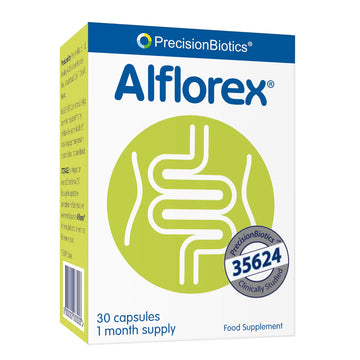
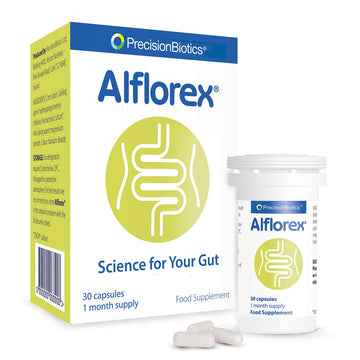
You'll find both in our probiotic range. A single-strain probiotic concentrates on one particular strain. Alflorex, for example, contains the specific Bifidobacterium longum 35624™ strain.
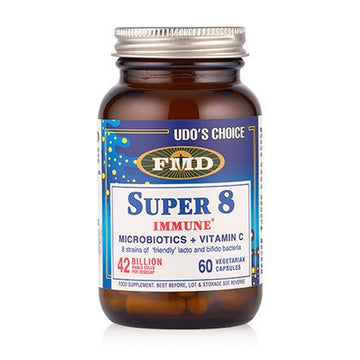
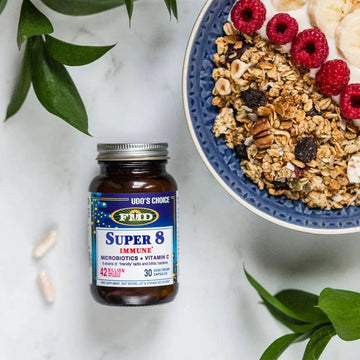
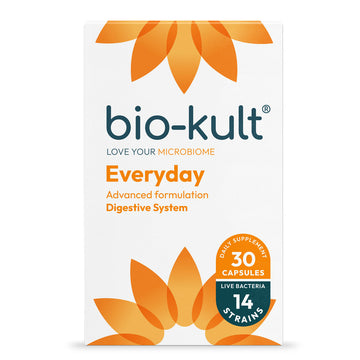
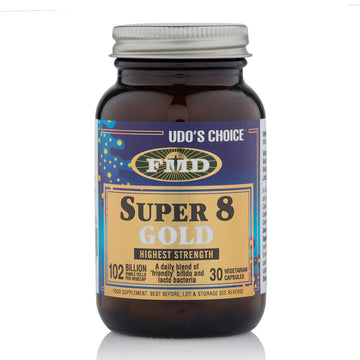
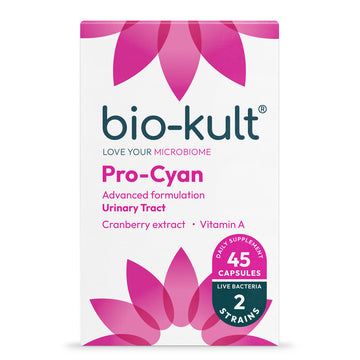
A multi-strain probiotic combines several different bacteria. Bio-Kult and Udo's Choice Super 8 are examples of ranges containing multiple strains.
Neither approach is automatically superior. They are simply different formulations.
5. Consider the Format
Not everyone wants to take a capsule every morning. Probiotics are available in several formats, including:
- capsules
- powders and sachets
- chewable tablets
- liquid formulas
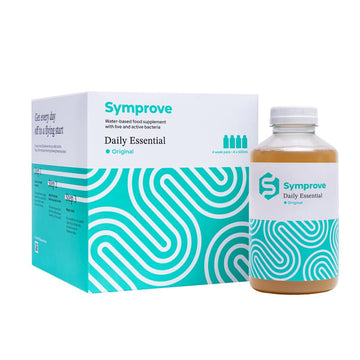
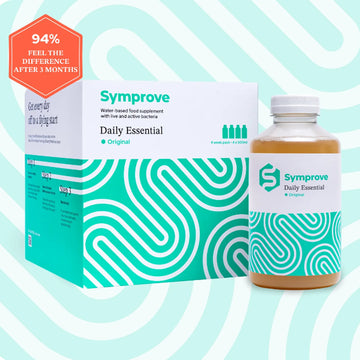
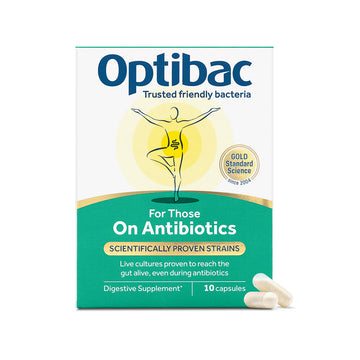
Symprove, for example, is a water-based liquid formula, while many Bio-Kult, Optibac and Udo's Choice products come in capsules.
The best format from a practical point of view is often the one you'll find easiest to use consistently.
6. Check How It Needs to Be Stored
Storage requirements differ between probiotic supplements. Some need to be kept refrigerated, while others are designed to remain stable at room temperature. That can make a difference if you travel regularly or want something convenient to keep at work.
Always follow the storage instructions provided with the individual product.
7. Look at What Else Is in the Formula
Not every probiotic supplement contains probiotics alone. Some combine live microorganisms with other ingredients such as prebiotic fibres, vitamins, minerals or digestive enzymes.
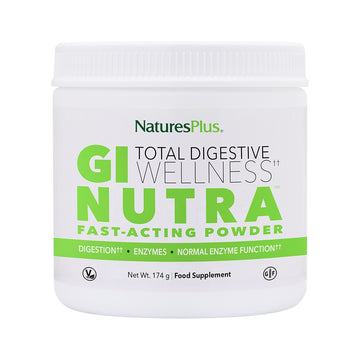
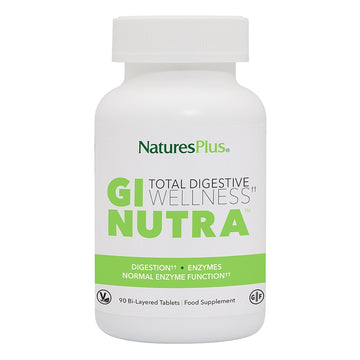
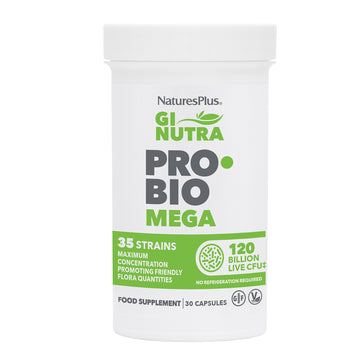
Nature's Plus GI Nutra, for example, combines probiotics with prebiotics and digestive enzymes.
Whether you want a combined formula or something simpler comes down to what you're looking for from the product. If you're wondering what prebiotics are, read our guide to Prebiotics and Probiotics: What's the Difference?
8. Look Beyond the Front of the Pack
Terms such as “billions”, “multi-strain” and “high strength” can make comparing probiotics confusing. Instead, look at the complete formula.
Ask:
- Which strains does it contain?
- How many live microorganisms are provided?
- Is it single-strain or multi-strain?
- Does it contain other active ingredients?
- How is it taken?
- Does it need refrigeration?
- Who is the product designed for?
Those questions tell you considerably more than the largest number on the label.
Comparing Probiotic Ranges at Evergreen
Once you understand what to look for, comparing probiotic ranges becomes much easier.
Symprove
Symprove is a water-based food supplement containing four strains of live bacteria, with 10 billion live and active bacteria provided per serving.
Its liquid format makes it quite different from traditional probiotic capsules and may appeal to someone specifically looking for a non-capsule option.
Udo's Choice Super 8
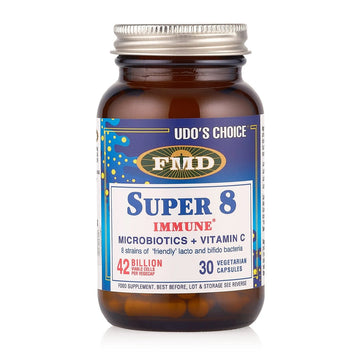
Udo's Choice Super 8] is a multi-strain capsule containing eight strains of Lactobacillus and Bifidobacterium bacteria. Different strengths are available within the Super 8 range, making bacterial count one of the factors customers can compare.
Bio-Kult
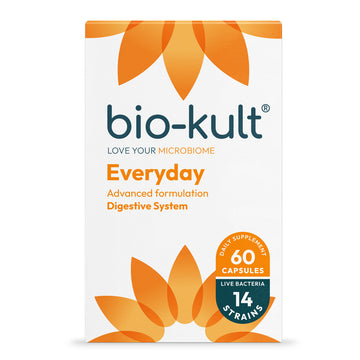
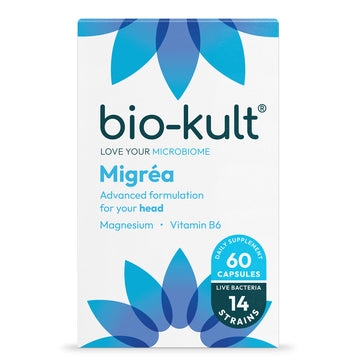
Bio-Kult offers multi-strain formulations and is perhaps best known for Bio-Kult Every Day, which contains 14 strains of live bacteria. The range also includes several more targeted formulations, so it's worth checking the individual product rather than assuming every Bio-Kult supplement contains the same combination.
Optibac
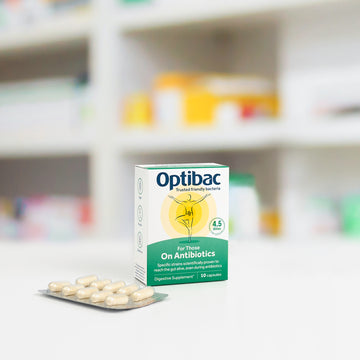
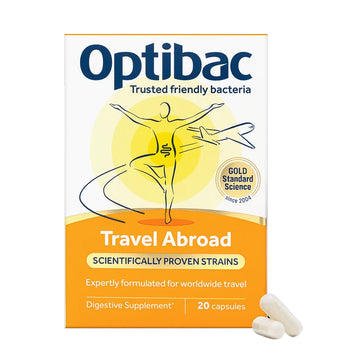
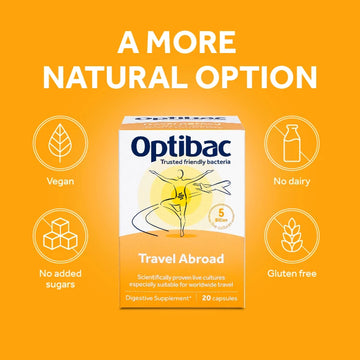
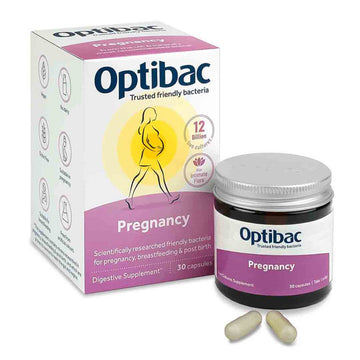
Optibac has a particularly broad probiotic range, with different products and strains selected for different formulations.
Rather than choosing Optibac simply as a brand, compare the individual formulas to see which strains they contain and who each product has been developed for.
Nature's Plus GI Nutra
Nature's Plus GI Nutra takes a broader formulation approach, combining probiotics with prebiotics, digestive enzymes and additional nutrients. It is therefore quite different from a straightforward probiotic-only supplement and is useful to compare if you're specifically looking for a combined formula.
Alflorex
Alflorex takes the opposite approach to many multi-strain formulas. Rather than combining numerous bacteria, it contains the specific Bifidobacterium longum 35624™ strain. This makes it a useful example of why the number of strains isn't necessarily the most important way to compare probiotics.
So, Which Probiotic Should You Choose?
There isn't one probiotic supplement that's automatically the right choice for everybody.
Start with what you're looking for and then compare the strains, bacterial count, formulation, format and storage requirements rather than choosing purely on the biggest number or longest ingredient list.
If all the terminology is new to you, our guide to What Are Probiotics? explains probiotics, friendly bacteria and the gut microbiome from the beginning.
You can also browse our Probiotics collection online, where you'll find different formats and formulas from brands including Optibac, Bio-Kult, Symprove, Udo's Choice and Alflorex.
And if you're still unsure, pop into your local Evergreen and talk to a member of our team.
Evergreen – Good Health, Naturally.