

Cough That Won't Go Away? Causes and Ways to Soothe a Lingering Cough
There's nothing quite as frustrating as a cough that won't go away. You might be feeling much better after a cold or flu, only to find that an irritating cough is still hanging around. Perhaps it's a dry, tickly cough that gets worse at night, or a chesty cough that leaves you constantly clearing your throat.
The good news is that a lingering cough after a respiratory infection is quite common. Most coughs settle naturally, although some can take several weeks to disappear completely.
If you're looking for ways to feel more comfortable while you recover, there are some simple things you can try, from keeping hydrated and enjoying warm drinks to traditional ingredients such as honey and carrageen moss.
Why won't my cough go away?
Coughing is one of your body's natural protective reflexes. It helps clear mucus, dust and other irritants from your airways.
A cough can develop for several reasons, including:
-
Colds and flu: Respiratory infections can leave your airways irritated even after your other symptoms have improved.
-
Post-viral cough: Inflammation and increased sensitivity in the airways can cause coughing to continue after an infection has cleared.
-
Postnasal drip: Mucus dripping down the back of your throat can trigger a persistent cough, particularly at night.
-
Allergies: Pollen, dust and other allergens can irritate your airways.
-
Acid reflux: Stomach acid travelling upwards can sometimes cause coughing, particularly when lying down.
-
Asthma or other respiratory conditions: These can also cause persistent coughing and may require medical assessment.
Most short-term coughs improve without specific treatment. However, if your cough lasts longer than three weeks, keeps returning or is getting worse, it's important to speak to your GP.
Dry cough or chesty cough: what's the difference?
Understanding the type of cough you're experiencing can help you choose appropriate ways to manage your symptoms.
Dry, tickly cough
A dry cough doesn't produce much mucus. It often feels like a persistent tickle or irritation in your throat and may be particularly troublesome at night. Dry coughs can occur after a cold, with allergies or when your airways are irritated by dry air, smoke or other triggers.
Chesty cough
A chesty cough produces mucus, also called phlegm. This is part of your body's natural process of clearing your airways. Keeping hydrated may help make mucus easier to clear. If you experience breathlessness, chest pain, fever that persists or worsening symptoms, seek medical advice.
Natural ways to soothe a lingering cough
Although there isn't a guaranteed way to make a cough disappear overnight, a few simple measures may help you feel more comfortable.
1. Try honey in a warm drink
Honey has a long history of use as a soothing ingredient for irritated throats. There is also some evidence that it may help reduce coughing associated with upper respiratory infections. Try stirring a teaspoon or two into a warm drink, perhaps with a little lemon or ginger.
Honey should never be given to children under 12 months old.
2. Keep yourself hydrated
Drinking enough fluids is important when you're feeling unwell. Water, warm herbal teas and comforting soups can all help you stay hydrated. Warm drinks may be particularly pleasant if your throat feels dry or irritated.
3. Enjoy a soothing herbal tea
A warm cup of herbal tea can be a comforting addition to your daily routine when you're dealing with a cough.
Popular choices include:
-
Ginger tea: A warming option, particularly when combined with lemon.
-
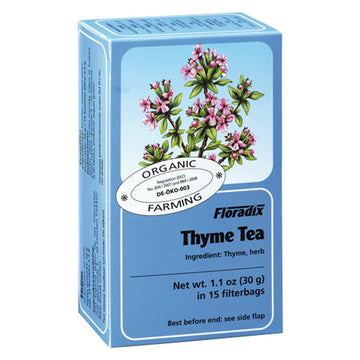
Thyme tea: Traditionally enjoyed during the colder months.
-
Lemon and honey: A simple combination for soothing an irritated throat.
Herbal ingredients aren't suitable for everyone, particularly during pregnancy, when breastfeeding or when taking certain medications. Check with your pharmacist or healthcare professional if you're unsure.
4. Avoid things that irritate your throat
Smoke, strong fragrances and dusty environments can aggravate an existing cough. Keeping your home well ventilated and avoiding smoking or second-hand smoke may help reduce irritation.
5. Make yourself comfortable at night
A lingering cough can be especially frustrating when you're trying to sleep. If coughing is worse when you lie down, slightly elevating your head may help some adults feel more comfortable. Keeping a glass of water nearby can also be useful. If night-time coughing continues or regularly disrupts your sleep, speak to your GP.
Carrageen Moss: A Traditional Irish Cough Remedy
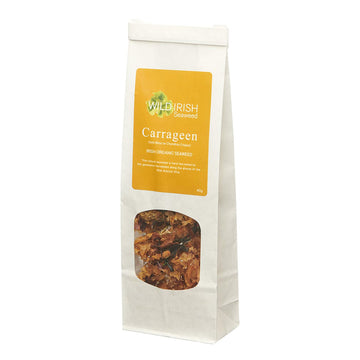
One traditional ingredient that deserves a mention is carrageen moss, sometimes called Irish moss. This red seaweed has been used in Irish households for generations, particularly in homemade preparations enjoyed during the colder months.
When simmered in water, carrageen moss releases natural compounds that give the liquid a distinctive thick, gel-like consistency. Traditionally, this preparation has been enjoyed as a soothing drink for an irritated throat.
Although carrageen moss has a long history of traditional use, there isn't sufficient clinical evidence to establish that it treats respiratory infections or persistent coughs.
Traditional carrageen moss recipe
If you'd like to explore this traditional Irish preparation, here's a simple recipe adapted from the one previously shared by Evergreen.
Ingredients
-
28g dried food-grade carrageen moss
-
1 pint of water
-
Lemon, freshly grated ginger or honey, to taste
Method
-
Soak the carrageen moss in cold water for approximately 15 minutes.
-
Drain and place in a saucepan with one pint of fresh water.
-
Bring to the boil, then reduce the heat and simmer gently for approximately 15 minutes, until the seaweed softens and the liquid begins to thicken.
-
Add lemon or ginger according to your preference.
-
Allow to cool slightly, then strain through a sieve.
-
Add honey if desired and enjoy as a traditional warm drink.
Prepare hygienically, refrigerate promptly and consume within a short period. This is a traditional food preparation, not a medicinal cough treatment.
Recipe adapted from Irish Seaweeds.
What about herbal cough syrups?
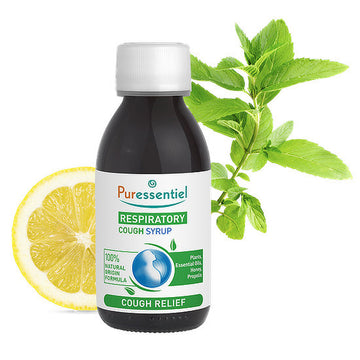
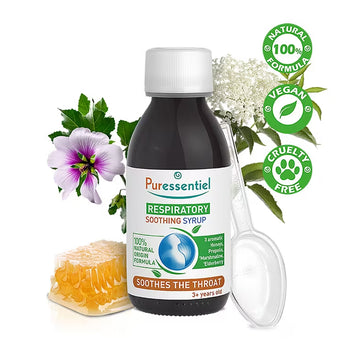
You may also come across herbal cough syrups containing ingredients such as ivy leaf, thyme or pine. Some herbal preparations have a history of traditional use for particular types of cough. However, their suitability depends on the specific product, its ingredients and the evidence supporting its authorised use.
Always follow the manufacturer's instructions and check the age recommendations and precautions. Herbal cough products aren't necessarily suitable for children, pregnant or breastfeeding women, or people taking medication. If you're unsure which product is appropriate, ask your pharmacist for advice.
Can vitamins help with a cough?
Vitamin C and vitamin D both contribute to the normal functioning of the immune system. However, this doesn't mean taking extra supplements will necessarily relieve a cough or speed up recovery.
A balanced diet, adequate rest and appropriate hydration are sensible ways to support your general wellbeing while recovering from an illness.
If you're concerned about your nutritional intake, you can explore Evergreen's range of immune health supplements or ask our team for guidance.
When should you see a doctor about a cough?
While most coughs improve naturally, it's important not to ignore symptoms that could indicate something more serious.
Contact your GP if:
-
Your cough lasts longer than three weeks.
-
Your symptoms are getting worse rather than improving.
-
You have unexplained weight loss or other persistent symptoms.
-
Your cough is affecting your sleep or everyday activities.
-
You have an underlying respiratory condition and your symptoms have changed.
Seek urgent medical advice if you're coughing up blood, experiencing chest pain, having difficulty breathing or feeling seriously unwell. Severe breathing difficulties require emergency assistance.
Supporting your wellbeing during cold and flu season
A lingering cough can be tiring, particularly when it affects your sleep. While you recover, focus on the basics: rest, hydration, nourishing meals and avoiding things that irritate your airways. Take a look at our Natural Cough Remedies collection for other natural supports.
For more advice on looking after yourself throughout the colder months, explore our guide to supporting your immune system naturally.
At Evergreen, we believe that small, everyday habits can make a meaningful difference to your general wellbeing.
Evergreen – Good Health, Naturally.
Please note, this blog is for informational purposes only and should not replace medical advice.
It’s always best to consult your doctor before taking any new supplements, treatments or remedies if you are pregnant, breastfeeding or on medication.
Checked and updated: 14th October 2026