

How to Support Your Family's Immune Health at Every Age
Looking after your family's health is important all year round, but it can feel particularly challenging when the children are back at school and coughs and colds start doing the rounds.
From little ones bringing home their latest classroom bugs to grandparents looking after their wellbeing, everyone's immune system has an important job to do. And while our needs change as we get older, many of the everyday habits that support normal immune function are the same at every age.
The good news? Supporting your family's immune health doesn't need to be complicated. A varied diet, good sleep, regular movement and a few simple routines can all help build a healthy foundation.
Let's look at how to support the whole family's wellbeing, from children and teenagers to adults and older family members.
Why Is Immune Health Important at Every Age?
Your immune system is a complex network of cells, tissues and organs that helps your body recognise and respond to infections. During childhood, the immune system is still developing and learning to recognise different germs. As we move through adulthood and into later life, our immune responses naturally change.
This doesn't mean everyone needs a different collection of immune-support supplements. Instead, it's about understanding nutritional needs at each life stage and developing healthy habits that work for the whole family.
Supporting Children's Immune Health
If your child seems to bring home every cold going around their classroom, you're certainly not alone. Young children commonly experience several respiratory infections each year, particularly when they start nursery or school.
While there's no guaranteed way to prevent every cough or cold, there are practical steps you can take to support their general health.
1. Make Nutrition a Family Habit
A balanced diet provides children with the nutrients they need for normal growth, development and immune function. Some nutrients worth knowing about include:
-
Vitamin C: Contributes to normal immune function and is found in foods such as strawberries, oranges, kiwi fruit, peppers and broccoli.
-
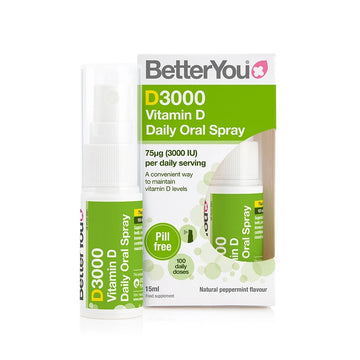
Vitamin D: Contributes to normal immune function and helps maintain normal bones and teeth.
-
Zinc: Contributes to normal immune function. Food sources include meat, dairy products, beans, nuts and seeds.
-
Iron: Contributes to normal immune function and normal cognitive development in children. Sources include meat, lentils, beans and fortified cereals.
Try to offer a variety of foods throughout the week rather than worrying about making every meal perfect. Colourful fruit and vegetables, wholegrains, protein-rich foods and healthy fats are all valuable parts of a balanced diet.
2. Establish Healthy Sleep Routines
Sleep plays an important role in children's growth, development and overall wellbeing. The amount of sleep children need varies depending on their age, but consistent bedtimes and a calming evening routine can help.
Reading together, enjoying a warm bath or spending some quiet time before bed can make the transition to sleep easier.
It's also worth keeping screens out of the bedroom where possible and allowing time to wind down before bedtime.
For more advice, read our guide to healthy sleep habits for children.
3. Encourage Movement and Outdoor Play
Children benefit from regular opportunities to move, play and spend time outdoors. Walking to school, cycling, playing in the garden or taking part in activities they enjoy all contribute to their overall physical and mental wellbeing.
Unstructured play is important too, particularly when children have spent much of the day following a busy school timetable.
4. Teach Good Hygiene Habits
Handwashing is one of the simplest ways to help reduce the spread of common infections. Encourage children to wash their hands with soap and water, particularly before eating, after using the toilet and after coughing or sneezing. Teaching children to use tissues and cover coughs and sneezes can also help protect those around them.
Back-to-School Immune Health: Getting into a Healthy Routine
The start of a new school year can be a big adjustment for children and parents alike. Later summer bedtimes, changes to mealtimes and the excitement or worry of returning to school can all affect family routines.
A few simple habits can help everyone settle back in:
-
Bring back regular bedtimes: Gradually adjust sleep schedules before the school term begins.
-
Plan nutritious lunches: Include a mix of fruit, vegetables, wholegrains and protein-rich foods.
-
Keep water bottles handy: Encourage children to drink regularly throughout the day.
-
Make time to unwind: Allow some downtime after school before homework or evening activities.
-
Talk about school worries: Give children opportunities to share how they're feeling.
-
Keep vaccinations up to date: Follow the HSE's recommended childhood vaccination schedule.
For more ideas, explore our healthy lunchbox ideas for kids.
Supporting Teenagers' Immune Health
As children become teenagers, their routines, nutritional requirements and sleep patterns change. Busy school schedules, sports, exams and social commitments can sometimes make healthy habits more difficult to maintain.
Focus on Balanced Meals
Teenagers need sufficient energy and nutrients to support growth and development. Encourage regular meals with a good balance of protein, carbohydrates, healthy fats, fruit and vegetables.
Iron is particularly important during adolescence, especially for teenagers who menstruate. Anyone concerned about low iron levels should seek advice before starting an iron supplement.
Prioritise Sleep
Teenagers generally need more sleep than adults, although early school starts and busy schedules can make this challenging. Encourage a regular sleep schedule and some screen-free time before bed.
Support Emotional Wellbeing
School pressures, friendships and exams can all affect teenagers' wellbeing. Making time for physical activity, hobbies, relaxation and open conversations can help support their overall health.
Take a look at our collection of supplements for Teens here
Immune Health for Busy Adults
Between work, family commitments and everyday responsibilities, adults often put their own wellbeing last. However, many of the habits we encourage in children are just as important for parents and carers.
Eat a Varied Diet
A balanced diet helps provide the vitamins and minerals needed for normal immune function. Vitamin A, vitamin B6, vitamin B12, vitamin C, vitamin D, folate, iron, selenium and zinc all contribute to normal immune function. Try to include a variety of vegetables, fruit, wholegrains, pulses, nuts, seeds and suitable protein sources.
For more information about these nutrients, read our guide to supporting your immune system naturally.
Look After Sleep and Stress
Most adults need around seven to nine hours of sleep per night, although individual requirements vary. Regular exercise, time outdoors and making space to unwind are also important parts of looking after your wellbeing.
Even small changes, such as taking a lunchtime walk or maintaining a consistent bedtime, can make healthy routines easier to sustain.
Supporting Immune Health in Older Adults
Our immune systems naturally change as we age, and some older adults may become more vulnerable to certain infections. Nutritional needs can also change, particularly if appetite, mobility or dietary habits are affected.
Pay Attention to Nutrition
A varied diet remains important throughout later life. Vitamin D and vitamin B12 are among the nutrients that may require particular attention in older adults, depending on their diet and individual circumstances.
Adequate protein intake also helps maintain muscle mass, which is important for strength and mobility.
Stay Active and Socially Connected
Regular movement helps support physical health and independence. Walking, gardening, swimming or suitable strength and balance exercises can all form part of an active lifestyle. Maintaining social connections is also important for emotional wellbeing.
Check Supplements and Medications
Older adults may take several medications, and some supplements or herbal products can interact with them. It's sensible to speak with a pharmacist or GP before introducing new supplements, particularly when managing an existing health condition. Recommended vaccinations are another important part of preventative healthcare in later life.
Does Your Family Need Immune-Support Supplements?
A varied, balanced diet provides many of the nutrients needed for normal immune function, but there are circumstances where supplementation may be appropriate.
Vitamin D is one nutrient worth particular attention in Ireland, where sunlight exposure is not sufficient for reliable vitamin D production throughout much of the year.
The HSE provides specific vitamin D recommendations for different age groups, including babies, children and adults. Always check the current guidance to understand what is appropriate for your family.
Other supplements may be useful where dietary intake is inadequate or a deficiency has been identified.
However, more isn't necessarily better. Taking high doses of vitamins or minerals won't automatically provide additional immune benefits and can sometimes be harmful.
For children, always choose products appropriate for their age and follow the recommended dosage.
Explore our Immune Health collection or browse Children's Health products for age-appropriate nutritional options and take a look at our Vitamin D Blog for more detailed information.
Frequently Asked Questions About Family Immune Health
How can I support my child's immune system naturally?
A varied diet, enough sleep, regular physical activity and good hygiene are all important for children's general health and normal immune function. Keeping vaccinations up to date is also important.
What vitamins are important for children's immune health?
Vitamins A, B6, B12, C and D, along with nutrients such as iron, zinc and selenium, contribute to normal immune function. Children's nutritional requirements depend on their age and individual circumstances, so supplements should be chosen carefully.
Do children need immune-support supplements during winter?
Not every child needs additional supplements simply because it's winter. However, vitamin D supplementation is recommended for certain age groups under HSE guidance. Other supplements may be appropriate where there is a specific nutritional need.
Can probiotics support children's immune systems?
The gut and immune system are closely connected, and researchers continue to investigate how different probiotic strains may influence health.
However, the evidence varies between strains and products, and probiotics shouldn't be relied upon to prevent children from catching common infections.
How can I help my family stay well during cold and flu season?
Good hand hygiene, ventilation, adequate sleep, balanced nutrition and recommended vaccinations are all sensible measures.
For more seasonal advice, read our guide to staying well during winter.
Is immune health important throughout the year?
Absolutely. Your immune system works every day, not just during winter. Consistent healthy habits are more valuable than making short-term changes only when seasonal illnesses are circulating.
Good Health Starts with Everyday Habits
Supporting your family's immune health doesn't have to mean complicated routines or lots of supplements. Whether you're packing school lunches, encouraging teenagers to get enough sleep or helping older relatives maintain a balanced diet, small, consistent habits can support wellbeing at every age.
At Evergreen, we're here to help you make informed choices about nutrition and natural wellbeing for the whole family.
Evergreen – Good Health, Naturally.
Are you looking for more information on how you can support your families health? Then read our blog 'The Importance of Childhood Nutrition for Learning'.
Checked and updated: 15th October 2026