

What Is Matcha? Benefits, Caffeine & How to Use It
Matcha has become increasingly popular in recent years, appearing everywhere from traditional tea bowls to Matcha lattes, smoothies and baking. But Matcha itself is far from new.
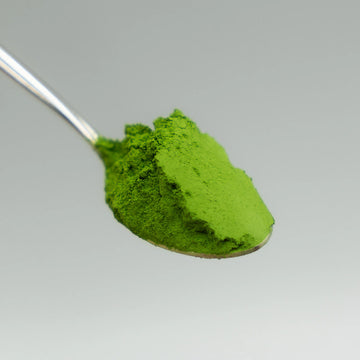
This distinctive green tea has a long history in Japan and is known for its vibrant green colour, finely powdered texture and characteristic flavour.
So, what exactly is Matcha, how is it different from regular green tea and what should you know before trying it?
What Is Matcha?
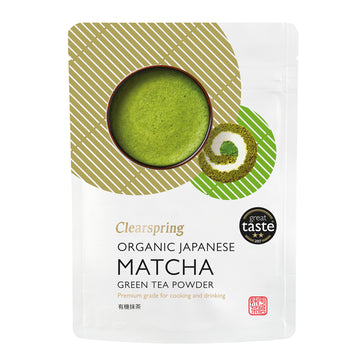
Matcha is a finely ground green tea powder made from the leaves of the Camellia sinensis tea plant – the same plant used to make other traditional teas, including green and black tea. What makes Matcha different is how the tea is grown, processed and prepared.
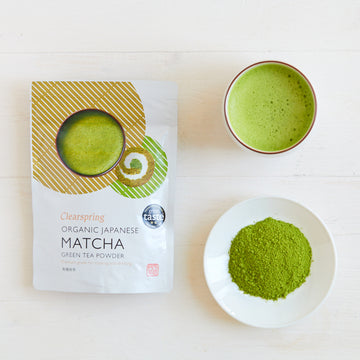
Rather than steeping tea leaves in water and then removing them, Matcha powder is whisked directly into water. This means you're drinking the powdered tea leaf itself.
Matcha is traditionally associated with Japan and has played an important role in Japanese tea culture for centuries.
How Is Matcha Made?
Producing traditional Matcha involves several stages.
Before harvesting, the tea plants are shaded from direct sunlight. This affects the composition of the leaves and contributes to Matcha's characteristic deep green colour and flavour.
After harvesting, the leaves are steamed and dried. The prepared tea leaves, known as tencha, are then finely ground to produce Matcha powder.
The quality of the leaves, how they're grown and how they're processed can all influence the colour, aroma, texture and flavour of the finished Matcha.
What Does Matcha Taste Like?
If you've never tried Matcha before, don't expect it to taste like an ordinary cup of green tea. Good Matcha can have a fresh, vegetal flavour with a slight natural sweetness and a savoury quality known as umami.
Some Matcha can also taste slightly bitter, particularly if you use too much powder or prepare it with water that's too hot.
Different Matcha powders can taste quite different from one another, which is why choosing a Matcha suited to how you intend to use it can make such a difference.
Does Matcha Contain Caffeine?
Yes. Matcha naturally contains caffeine because it's made from green tea leaves. The exact amount will vary depending on the Matcha and how much powder you use, so there isn't one caffeine figure that applies to every cup.
If you're sensitive to caffeine, it's worth checking the individual product information and being mindful of how much Matcha you use and when you drink it.
Like coffee and other caffeinated drinks, Matcha may not be the best choice close to bedtime if caffeine affects your sleep.
What Is L-Theanine in Matcha?
Matcha also naturally contains L-theanine, an amino acid found in tea.
The shading process used before Matcha leaves are harvested influences their L-theanine content and contributes to Matcha's characteristic flavour.
L-theanine is often discussed alongside caffeine when people talk about Matcha, and researchers have studied these naturally occurring tea compounds both separately and together.
If you'd like to learn more about it, read our complete guide to L-theanine.
What Are the Potential Benefits of Matcha?
Matcha contains a range of naturally occurring plant compounds, including polyphenols called catechins. One of the best known is EGCG, or epigallocatechin gallate. You don't need to remember the name – it's simply one of the naturally occurring compounds commonly found in green tea.
Matcha also contains caffeine and L-theanine. These compounds have attracted considerable scientific interest, but it's important not to overstate what this means for Matcha itself. While green tea and its individual compounds have been widely researched, evidence for many of the specific health claims made about Matcha is still developing.
You'll often see Matcha associated online with everything from weight loss and metabolism to detoxing and preventing disease. Many of these claims go beyond what current Matcha-specific research can confidently support.
For most people, a better way to think about Matcha is simply as a distinctive type of green tea that can form part of a varied, balanced diet.
Matcha vs Green Tea: What's the Difference?
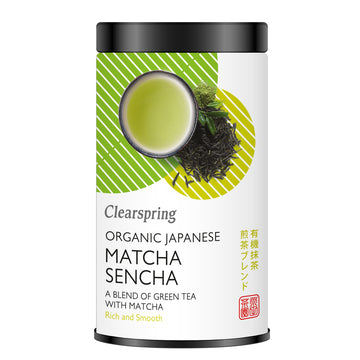
Matcha is green tea, but it's prepared differently from the green tea you might usually make with a tea bag or loose leaves.
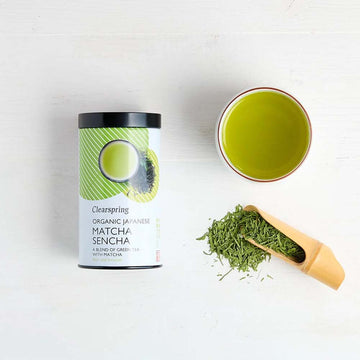
With traditional green tea, the leaves are infused in hot water and then removed.
With Matcha, the tea leaves have been ground into a very fine powder and the powder is whisked into the water itself.
They can also taste quite different. A regular green tea infusion tends to be lighter, while Matcha generally has a fuller flavour and thicker texture.
Both naturally contain caffeine and various compounds found in the tea plant, although the amounts can differ considerably depending on the tea and how it's prepared.
You can explore more varieties in our Green Tea collection or learn about the different types of tea in our complete tea guide.
Ceremonial Matcha vs Other Matcha: What's the Difference?
You'll often see Matcha described as ceremonial grade, premium, everyday or culinary grade.
It's useful to know that there isn't one universally regulated grading system that determines these terms across every Matcha producer.
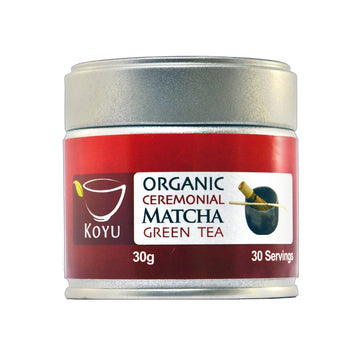
Generally, ceremonial Matcha is used to describe a fine, smooth Matcha intended to be whisked with water and enjoyed on its own.
Matcha described as premium or everyday can work well for regular drinking and Matcha lattes.
Culinary Matcha tends to be chosen for recipes where its flavour needs to work alongside other ingredients, such as smoothies, cakes and desserts.
Rather than choosing on the word “grade” alone, consider the Matcha's origin, ingredients, colour, flavour and what the producer recommends using it for.
How Do You Choose a Good Matcha Powder?
There's a huge variety of Matcha available, so deciding how you want to use it is a good place to start.
If you plan to drink Matcha simply whisked with water, you may prefer a smoother Matcha designed specifically for drinking.
For a Matcha latte, you might want a powder with enough flavour to stand up to milk or a plant-based alternative.
For baking and recipes, a Matcha designed for culinary use can be a more practical choice.
When comparing Matcha powders, consider:
-
where the Matcha comes from
-
its intended use
-
the ingredients
-
whether it's certified organic, if that's important to you
-
the colour, texture and flavour described by the producer
-
how much Matcha you get for the price
A higher price or the words “ceremonial grade” don't automatically tell you everything about a Matcha's quality or whether it's the right one for you.
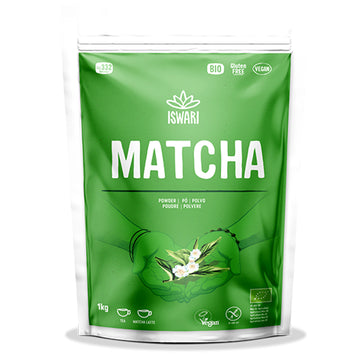
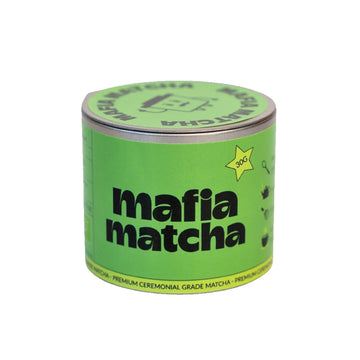
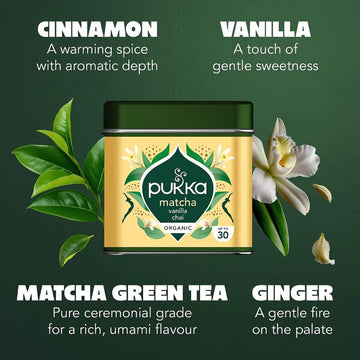
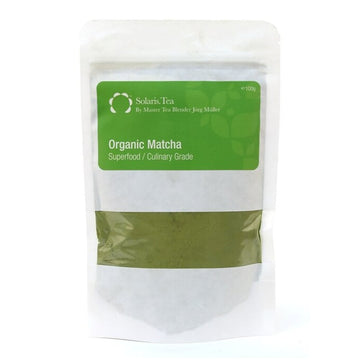
Explore our range of Matcha and Matcha powders to compare different options.
How Do You Make Matcha?
Traditional Matcha is made by combining a small amount of Matcha powder with warm water and whisking it until smooth and lightly frothy.
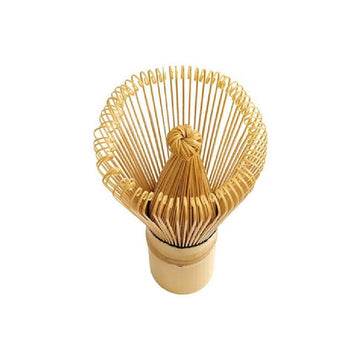
A bamboo Matcha whisk, known as a chasen, is traditionally used, but you can also prepare Matcha at home using other methods.
One important tip is not to use freshly boiling water. Very hot water can make Matcha taste more bitter.
For quantities, water temperature, whisking techniques and tips for getting a smoother cup, read our step-by-step guide to making Matcha.
What Is a Matcha Latte?
A Matcha latte combines prepared Matcha with milk or a plant-based alternative.
It has become one of the most popular ways to enjoy Matcha and can be served hot or over ice.
Because the milk softens Matcha's distinctive flavour, a latte can also be an accessible place to start if you're completely new to Matcha.
Try our Clearspring Matcha Latte with Plant Milk recipe for an easy way to make one at home.
What Else Can You Do with Matcha?
Matcha isn't just for drinking.
Its finely powdered texture and distinctive flavour make it a versatile ingredient for:
-
smoothies
-
porridge and overnight oats
-
energy balls
-
cakes and baking
-
desserts
-
homemade drinks and lattes
If you'd like to experiment, try our No-Bake Matcha 'Brownies' with Clearspring or explore our other Matcha recipes.
Is Matcha Suitable for Everyone?
Matcha is a food rather than a supplement, but it's still worth remembering that it naturally contains caffeine. People who are particularly sensitive to caffeine may prefer a smaller serving or choose to enjoy Matcha earlier in the day.
If you're pregnant or breastfeeding, have a health condition or have been advised to limit your caffeine intake, follow the relevant healthcare guidance for your circumstances.
The Bottom Line
Matcha is a finely powdered green tea with centuries of Japanese tradition behind it. Its distinctive growing and preparation methods give it its vibrant colour, characteristic flavour and naturally occurring combination of tea compounds including caffeine, L-theanine and catechins.
You can enjoy Matcha traditionally with water, make it into a creamy Matcha latte or use it in smoothies, baking and recipes.
If you're just getting started, choosing a Matcha suited to how you want to use it is more important than getting caught up in complicated grades or some of the bigger health claims surrounding Matcha online.
Explore our full range of Matcha and Matcha powders from trusted brands at Evergreen.
Evergreen – Good Health, Naturally.