

Curious About Omega-11?
A Guide To The Lesser-Known Fatty Acid
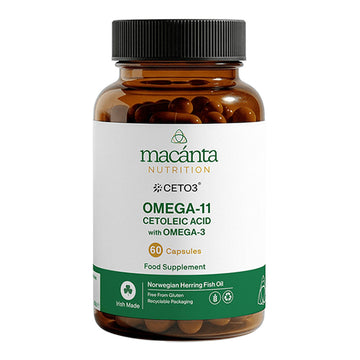
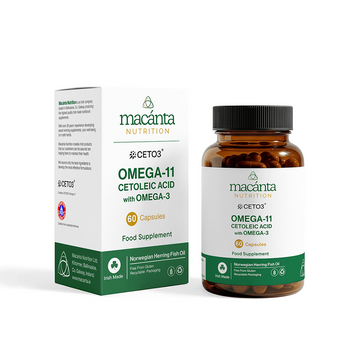
You've probably heard of omega-3, but what about omega-11? Explore this lesser-known fatty acid, where it comes from and the research behind a new addition to the world of marine nutrition. When it comes to fatty acids, omega-3 is a familiar name. But fish naturally contain a variety of different fats, and one that's attracting growing scientific interest is omega-11. Also known as cetoleic acid, omega-11 is a naturally occurring fatty acid found in certain marine oils, particularly those from North Atlantic herring. With the introduction of Macanta CETO3® Omega-11 Fish Oil, it's a good time to take a closer look at what omega-11 actually is, how it differs from other omegas and why scientists are studying it.
What Exactly Is Omega-11?
Omega-11, or cetoleic acid, is a type of long-chain monounsaturated fatty acid. Fatty acids are components of fats and oils, and they're classified according to their chemical structure. The numbers in names such as omega-3, omega-9 and omega-11 refer to the position of a particular double bond within the fatty acid molecule. Cetoleic acid is identified scientifically as C22:1 n-11. It's found naturally in certain fish species, including North Atlantic herring, alongside other fatty acids. Although omega-11 may be a new term to many people, cetoleic acid itself isn't a new discovery. Researchers have been investigating its characteristics and its presence in marine oils for some time. [1]
Omega-3, Omega-9 and Omega-11: What's the Difference?
Not all omega fatty acids are the same. They belong to different groups based on their molecular structure.
- Omega-3 fatty acids: Omega-3s are polyunsaturated fatty acids. The most extensively researched of the three omegas. EPA and DHA contribute to the normal function of the heart, while DHA also contributes to the maintenance of normal brain function and vision, subject to the relevant intake conditions.
- Omega-9 fatty acids: Omega-9s are monounsaturated fatty acids. A monounsaturated fat found in foods such as olive oil, nuts and certain fish oils. Replacing saturated fats with unsaturated fats in the diet contributes to the maintenance of normal blood cholesterol levels. This benefit relates to the dietary substitution, not omega-9 supplements specifically.
- Omega-11 fatty acids: Omega-11 includes cetoleic acid, a lesser-known monounsaturated fatty acid found naturally in herring oil. Researchers are investigating its role in fatty acid metabolism, but there are currently no authorised EU health claims for omega-11.
The key difference is their chemical structure. Different fish species and marine oils naturally contain different proportions of these fatty acids.
Why Is Omega-11 Being Studied?
Omega-11 has become a subject of interest in marine lipid research. One published study, appearing in the British Journal of Nutrition in 2019, examined cetoleic acid in Atlantic salmon and laboratory cell models, including human-derived liver cells. The researchers investigated how cetoleic acid interacted with pathways involved in the metabolism of other fatty acids. [1]
This type of research helps scientists explore the characteristics of individual fatty acids and understand how they behave under controlled experimental conditions. It's important to remember that findings from laboratory cells or animal studies cannot be assumed to apply to people taking supplements. Research into cetoleic acid is continuing, and there is currently no authorised EU health claim specifically for omega-11.
Where Does Omega-11 Come From?
Omega-11 occurs naturally in certain marine oils, including oil obtained from North Atlantic herring. Herring contain a mixture of fatty acids rather than just one type of omega. Their oil can include cetoleic acid (omega-11), gondoic acid (omega-9), and EPA and DHA (omega-3). The exact fatty acid composition of a fish oil depends on factors including the fish species and how the oil is produced. This is one reason why the ingredient information on fish oil supplements can vary considerably.
Introducing Macánta CETO3® Omega-11 Fish Oil
Irish supplement brand Macánta Nutrition has introduced CETO3® Omega-11 Fish Oil, made using oil sourced from Norwegian herring. The oil is produced by Grøntvedt Biotech, a Norwegian company specialising in marine ingredients. Rather than containing only one isolated fatty acid, CETO3® provides a mixture of naturally occurring marine fats, including omega-11, omega-9 and omega-3.
From Norwegian Herring to Fish Oil
An interesting part of the CETO3® story is where the oil comes from. Grøntvedt Biotech is associated with a Norwegian family fishing business whose history dates back to 1830. [2] According to the manufacturer, CETO3® oil is produced using material from its food-grade herring operations. This involves using more of the fish caught for food production rather than relying solely on the portions prepared for direct consumption. The manufacturer also describes a production process in which herring material is processed shortly after landing. For anyone interested in the origins of their supplements, this offers an insight into how marine ingredients are sourced and produced.
What Should You Look for in a Fish Oil Supplement?
With different marine oils available, it can be useful to understand the information provided on a supplement label. Consider the type of fish used, the amount of oil per serving and the individual fatty acids listed. For example, two fish oil supplements may contain the same total quantity of oil but different amounts of EPA, DHA or other fatty acids. It's also worth checking the recommended serving, allergen information and storage instructions. If you're pregnant, breastfeeding, taking medication or have a medical condition, seek advice from a healthcare professional before taking a new supplement.
Getting to Know Omega-11
Omega-11 is a lesser-known part of the naturally occurring fatty acid profile of certain marine oils. As research into cetoleic acid continues, it offers another interesting subject for anyone who enjoys learning about food science, marine ingredients and nutritional research. For now, the most useful starting point is understanding what omega-11 is, where it's found and how it differs from the more familiar omega fatty acids.
Not sure what’s right for you? Pop into one of our stores or get in touch, and we’ll be happy to help.
Food supplements should not replace a varied, balanced diet and healthy lifestyle. Contains fish. If you’re pregnant, breastfeeding, taking blood-thinning medication or any other medication, please speak to your doctor or pharmacist before use.