

From everyday energy and nervous system function to vegan diets and different supplement formats, discover why vitamin B12 is an essential part of our nutritional needs.
Vitamin B12 might be just one of the eight B vitamins, but it has some pretty important jobs to do! From helping the body release energy from food to supporting normal nervous system function, vitamin B12 plays an essential role in our everyday health and wellbeing.
It's also a vitamin that often comes up when we're feeling tired or thinking about our nutritional needs, particularly for those following vegetarian or vegan diets.
But what exactly does vitamin B12 do, where can we find it and how do we know if we're getting enough? Let's take a closer look at this essential nutrient and explore some of the vitamin B12 supplements available at Evergreen.
What Is Vitamin B12?
Vitamin B12, also known as cobalamin, is a water-soluble vitamin that belongs to the B vitamin family. Our bodies need it for several important functions, including normal red blood cell formation, energy metabolism and the normal functioning of the nervous system.
Unlike some other vitamins, B12 is naturally found mainly in animal-derived foods such as meat, fish, eggs and dairy products. It's also added to certain fortified foods, making these particularly important for people following plant-based diets.
Our bodies can store vitamin B12, particularly in the liver, but we still need a reliable source through our diet or, where appropriate, supplementation.
What Does Vitamin B12 Do in the Body?
Vitamin B12 has several recognised functions that make it an important part of a balanced diet.
Vitamin B12 Helps Reduce Tiredness and Fatigue
One of the best-known roles of vitamin B12 is its contribution to normal energy-yielding metabolism. This means it helps the body carry out the processes involved in releasing energy from the food we eat. Vitamin B12 also contributes to the reduction of tiredness and fatigue. However, it's important to remember that taking extra B12 won't necessarily give you an energy boost if you're already getting enough. Persistent tiredness can have many causes, so it's worth speaking to your GP if fatigue is affecting your everyday life.
Vitamin B12 Supports the Nervous System
Vitamin B12 contributes to the normal functioning of the nervous system, which includes the brain, spinal cord and nerves throughout the body. It's also needed for the maintenance of myelin, the protective covering around many nerve fibres. Getting enough B12 is therefore an important part of meeting the body's normal nutritional needs.
Vitamin B12 Contributes to Normal Red Blood Cell Formation
Just like iron and folate, vitamin B12 plays a role in normal red blood cell formation. Red blood cells help transport oxygen around the body, making them an essential part of our everyday physiology. A lack of vitamin B12 can interfere with normal red blood cell production and may lead to a type of anaemia.
Vitamin B12 Supports Normal Psychological Function
Vitamin B12 contributes to normal psychological function, which includes everyday mental processes involved in wellbeing. Alongside other nutrients, it's an important part of a balanced diet that supports the body's normal functions.
Vitamin B12 Contributes to Immune Function
Vitamin B12 also contributes to the normal function of the immune system. It's one of several vitamins and minerals involved in normal immune function, alongside nutrients such as vitamins C and D, zinc and iron.
Vitamin B12 Plays a Role in Cell Division
Another important role of vitamin B12 is its involvement in the process of cell division. This is the natural process through which cells reproduce as the body grows and renews its tissues.
What Foods Contain Vitamin B12?
Vitamin B12 is naturally found in a range of animal-derived foods, so there are several ways to include it in your diet. Good sources include fish such as salmon and sardines, meat, poultry, eggs, milk, cheese and yoghurt. Shellfish, particularly clams, can also provide significant amounts of vitamin B12. If you follow a vegetarian diet that includes eggs and dairy products, these foods can contribute to your B12 intake. For those following a vegan diet, however, reliable sources of B12 are more limited. Fortified breakfast cereals, certain fortified plant-based milks and nutritional yeast with added B12 can be useful options. It's important to check the label, as not all plant-based foods are fortified with vitamin B12.
Vitamin B12 and Vegan Diets
Vitamin B12 deserves particular attention if you're following a vegan diet. Because naturally occurring, reliable dietary sources of B12 are mainly animal-derived, people who avoid animal products need to make sure they're getting enough through fortified foods or an appropriate supplement.
Although some plant foods, mushrooms and algae may contain compounds related to vitamin B12, they shouldn't automatically be relied upon as sufficient sources of active B12. If you're vegan, having a consistent and reliable source of vitamin B12 is important rather than waiting until symptoms of a deficiency appear.
Who Might Need More Vitamin B12?
Vitamin B12 requirements vary depending on age and life stage, but how well the body absorbs B12 can also make a difference. Older adults may absorb vitamin B12 from food less efficiently because of changes in stomach acid production. People with certain digestive conditions or those who have undergone gastrointestinal surgery may also have difficulty absorbing enough B12. Some medicines, including metformin and long-term acid-suppressing medication, can affect B12 status in certain people. Pregnant and breastfeeding people following vegan diets also need to pay particular attention to their B12 intake. If any of these circumstances apply to you, it's worth discussing your nutritional needs with a healthcare professional.
What Happens If You Don't Get Enough Vitamin B12?
If your body isn't getting or absorbing enough vitamin B12 over time, your B12 stores can gradually become depleted. A deficiency may cause symptoms such as tiredness, weakness, pins and needles, numbness, balance difficulties or changes in memory and concentration. Not everyone experiences the same symptoms, and some people may have a deficiency without obvious warning signs. Vitamin B12 deficiency can also affect the nervous system, sometimes even without anaemia, which is why it's important not to ignore persistent symptoms. If you're concerned about your B12 levels, speak to your GP. Blood tests can help assess your vitamin B12 status and determine whether further investigation or treatment is needed.
Do I Need a Vitamin B12 Supplement?
Not necessarily. Many people who regularly eat animal-derived foods can meet their B12 needs through a balanced diet. However, supplementation is particularly important for people following vegan diets and may also be recommended when dietary intake or absorption is inadequate. Vitamin B12 supplements come in several different forms, including tablets, capsules, sublingual nuggets, liquid drops and oral sprays.
You'll also notice different forms of B12 on product labels, including cyanocobalamin, methylcobalamin, adenosylcobalamin and hydroxocobalamin. These are different forms of the same essential vitamin. While individual products may highlight particular forms, there isn't good evidence that methylcobalamin is universally better than cyanocobalamin for everyone. When comparing supplements, look at the amount of vitamin B12 per recommended serving, the format and whether the product is suitable for your dietary preferences.
Explore Vitamin B12 Supplements at Evergreen
If you're looking for a vitamin B12 supplement, Evergreen has a range of options to explore, from traditional capsules to convenient oral sprays and liquid drops.
Solgar Vitamin B12 1000µg
Solgar Vitamin B12 1000µg Nuggets provide vitamin B12 in the cyanocobalamin form. These cherry-flavoured nuggets can be chewed or allowed to dissolve under the tongue, offering an alternative to traditional capsules.
BioCare Nutrisorb Methyl B12
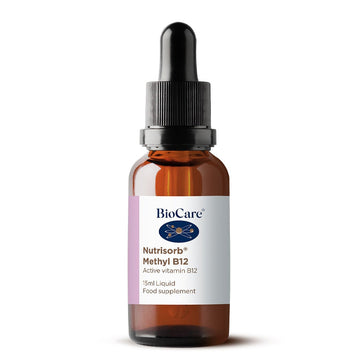
BioCare Nutrisorb Methyl B12 is a liquid supplement containing vitamin B12 in the methylcobalamin and adenosylcobalamin forms. It's a convenient option for those who prefer drops and is suitable for vegans and vegetarians.
Viridian High Potency Vitamin B12 1000µg
Viridian High Potency Vitamin B12 1000µg is a high-strength capsule formula featuring two forms of vitamin B12. It's another option for those comparing capsule-based supplements.
BetterYou B12 Boost Pure Energy Oral Spray
BetterYou B12 Boost Pure Energy Oral Spray offers vitamin B12 in a convenient, apricot-flavoured oral spray. It contains methylcobalamin alongside chromium and is an alternative for those who prefer not to swallow tablets or capsules.
Macánta Vitamin B12 1000µg
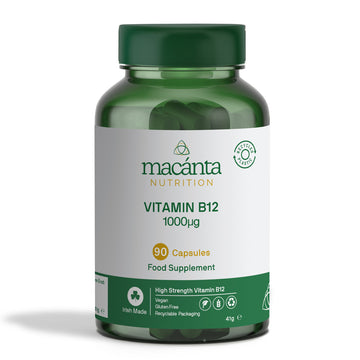
Macánta Vitamin B12 1000µg provides a high-strength B12 supplement in capsule form. It's one of the options available for those who prefer a straightforward capsule format.
One Nutrition B12 Max
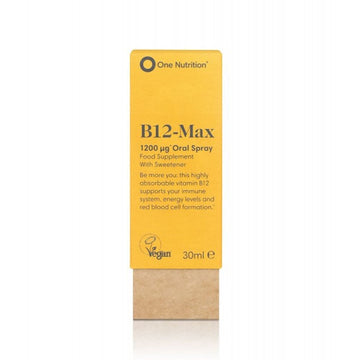
One Nutrition B12 Max is an orange-flavoured oral spray containing methylcobalamin. It provides a convenient spray format and is suitable for vegan diets.
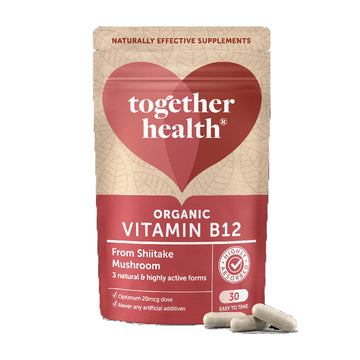
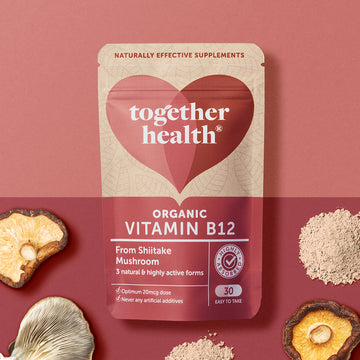
Together Health Organic Vitamin B12
Together Health Organic Vitamin B12 is made using organic mushroom-based ingredients and contains three forms of B12: methylcobalamin, adenosylcobalamin and hydroxocobalamin. It offers a vegan-friendly capsule option for those who prefer an organic, wholefood-style formulation.
Nature's Plus Source of Life Garden Vitamin B12
Nature's Plus Source of Life Garden Vitamin B12 combines vitamin B12 in the methylcobalamin form with other B vitamins and a blend of plant-based ingredients. It's a vegan-friendly option for those interested in a broader B vitamin formulation. With so many different options available, the right choice will depend on your individual nutritional needs, preferred format and any advice you've received from a healthcare professional.
Explore Evergreen's full Vitamin B12 Supplements collection to compare the different products available.
Are High-Strength Vitamin B12 Supplements Better?
You may notice that some vitamin B12 supplements contain amounts far higher than the daily nutrient reference value. This is partly because the proportion of B12 absorbed from a supplement generally decreases as the dose increases. However, a higher-strength supplement isn't automatically the best option for everyone.
The appropriate amount depends on why you're taking it, your diet and whether you have a diagnosed deficiency or an absorption problem. For people with certain causes of B12 deficiency, prescribed treatment, including injections in some cases, may be necessary. It's best to follow professional advice rather than assuming that a high-strength supplement will provide additional energy or other benefits.
Can You Take Too Much Vitamin B12?
Vitamin B12 is water-soluble, and no tolerable upper intake level has been established for healthy adults because of its generally low toxicity. That doesn't mean there's a reason to take unnecessarily high amounts, though. More isn't always more beneficial, and supplements should be chosen according to individual needs. If you're taking medication, have an underlying health condition or are being treated for a B12 deficiency, follow the advice of your healthcare professional.
The Evergreen View
Vitamin B12 might be a small part of our daily nutritional needs, but it has some big jobs to do! From contributing to normal energy production and nervous system function to supporting red blood cell formation and helping reduce tiredness and fatigue, it's an essential vitamin worth knowing about. For many people, a balanced diet provides enough vitamin B12. But for those following vegan diets or who have difficulty absorbing B12, fortified foods and appropriate supplementation can be particularly important. If you're feeling unusually tired or think your B12 levels may be low, don't assume that taking more is automatically the answer. Finding out what's going on first can help you make a more informed choice.
Discover Evergreen's Vitamin B12 Supplements and explore the different formats and formulations available.
Evergreen - Good Health Naturally
Food supplements should not be used as a substitute for a varied, balanced diet and healthy lifestyle. Always follow product directions and seek advice from a healthcare professional where appropriate.