

How to Make Matcha: An Easy Step-by-Step Guide
Making Matcha at home is easier than it might look. You don't need to master a traditional Japanese tea ceremony or invest in lots of equipment to make a good cup.
The key is using the right amount of Matcha, avoiding boiling water and mixing the powder thoroughly so you get a smooth drink rather than a lumpy one.
Here's how to get started.
What Do You Need to Make Matcha?
For a simple cup of Matcha, you'll need:
-
Matcha powder
-
warm water
-
a small bowl or wide mug
-
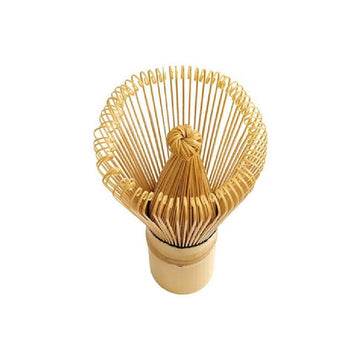
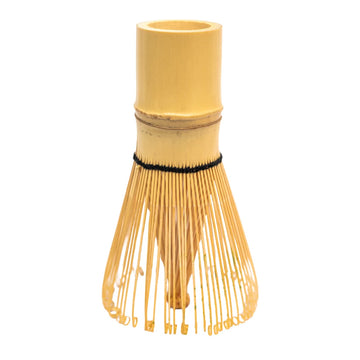
a Matcha whisk or small kitchen whisk
-
a teaspoon or measuring spoon
A traditional bamboo Matcha whisk, known as a chasen, is particularly useful because its fine prongs help disperse the Matcha powder and create a light layer of froth.
However, you don't need one to start enjoying Matcha at home. We'll look at some alternatives below.
How Much Matcha Should You Use?
A good starting point is around 1–2g of Matcha powder per serving, although you can adjust this according to the individual product instructions and how strong you like your Matcha.
If you're new to Matcha, start with a smaller amount. You can always add more as you become familiar with the flavour. Remember that Matcha naturally contains caffeine, so using more powder will also generally increase the amount of caffeine in your drink.
What Temperature Should the Water Be for Matcha?
Avoid pouring freshly boiled water directly onto Matcha. Water that's too hot can make the tea taste more bitter and overpower some of its more delicate flavours.
Instead, boil your water and allow it to cool slightly before preparing your Matcha. Around 70–80°C is a useful starting point, although it's always worth checking the preparation instructions for the particular Matcha you're using.
If you don't have a temperature-controlled kettle, simply letting freshly boiled water stand for a few minutes can help.
How to Make Matcha Step by Step
1. Add Your Matcha
Place around 1–2g of Matcha powder into your bowl or mug.
For an even smoother drink, you can sift the Matcha through a small fine sieve first. Matcha is an extremely fine powder and can naturally form small clumps, so this simple step can make it easier to whisk.
2. Add a Little Warm Water
Add a small amount of your warm water to the Matcha.
Starting with less water makes it easier to combine the powder properly rather than trying to whisk it into a full cup straight away.
3. Whisk the Matcha
Using a bamboo Matcha whisk, whisk briskly until the powder has dispersed and the surface develops a light froth. Rather than slowly stirring in circles, use quick movements across the bowl.
If you don't have a bamboo whisk, don't worry – there are several other ways to mix Matcha at home.
4. Add More Water
Once your Matcha is smooth, add more warm water until you reach your preferred strength.
Your Matcha is now ready to drink!
How Do You Make Matcha Without a Bamboo Whisk?
A bamboo whisk is useful, but it isn't essential. If you're just starting out, you can try:
A small kitchen whisk: Use the same method as you would with a bamboo whisk, making sure you break up any clumps.
A handheld milk frother: Mix the Matcha with a little water first, then use the frother until smooth.
A jar with a lid: Add Matcha and warm water to a tightly sealed jar and shake thoroughly. Make sure the water isn't too hot before using this method.
Whichever method you choose, the aim is simply to distribute the fine Matcha powder evenly through the water.
Why Is My Matcha Lumpy?
Lumpy Matcha is one of the most common problems when making it at home. As Matcha is such a fine powder, small clumps can form naturally.
To help prevent them:
-
sift your Matcha before adding water
-
start with a small amount of water
-
whisk thoroughly before topping up your drink
-
don't simply stir Matcha into a full mug of water
A few small changes to your preparation can make a noticeable difference to the texture.
Why Does My Matcha Taste Bitter?
Matcha naturally has some bitterness alongside its fresh, vegetal and savoury flavours, but it shouldn't necessarily taste unpleasantly bitter.
If yours does, try:
-
using slightly cooler water
-
using less Matcha powder
-
checking that the Matcha is being stored correctly
-
trying a Matcha designed for drinking rather than cooking
Different Matcha powders also have different flavour profiles, so finding one you enjoy can involve a little experimentation.
How to Make a Matcha Latte
Prefer your Matcha creamy? A Matcha latte is another easy way to enjoy it.
Start by preparing your Matcha with a small amount of warm water as above.
Once smooth, add warm or frothed milk. Dairy milk or your preferred plant-based alternative can both be used.
You can adjust the ratio of Matcha to milk depending on how strong you like it.
For quantities and full instructions, try our Clearspring Matcha Latte with Plant Milk recipe.
How to Make Iced Matcha
Matcha can also be served cold.
Prepare the Matcha with a small amount of warm water first to help disperse the powder properly.
Add cold water and ice for a simple iced Matcha, or pour it over ice with cold milk or a plant-based alternative for an iced Matcha latte.
Do You Need Ceremonial Matcha?
Not necessarily.
Matcha described as ceremonial grade is generally intended to be whisked with water and enjoyed on its own, where its flavour is particularly important.
If you're making Matcha lattes, smoothies or recipes, another good-quality Matcha may suit you perfectly well.
There isn't a universally regulated Matcha grading system, so don't choose based on the word “ceremonial” alone. Consider the origin, intended use, flavour and information provided by the producer.
You can compare different options in our Matcha & Matcha Powder collection.
How Should You Store Matcha?
Matcha's flavour, aroma and colour can change when it's exposed to air, heat, light and moisture.
Keep your Matcha tightly sealed and follow the storage instructions on the individual pack. Avoid leaving an opened container somewhere warm or in direct sunlight.
It's also worth buying an amount you're likely to use rather than leaving an opened pack sitting in the cupboard for a long time.
Ready to Make Your First Matcha?
Once you've found a Matcha you enjoy, making it at home can quickly become a simple part of your routine.
Start with a small amount of powder, use warm rather than boiling water and mix it thoroughly. From there, you can adjust the strength and preparation until you find your favourite way to enjoy it.
New to Matcha and want to understand more about what you're drinking? Read our complete What Is Matcha? Benefits, Caffeine & How to Use It guide.
Or explore our range of Matcha and Matcha powders from trusted brands at Evergreen.
Evergreen – Good Health, Naturally.