

Iron-Rich Foods: The Best Foods High in Iron
Iron is an essential mineral that helps carry oxygen around the body, supports normal brain and immune function and helps your body release energy from food. Our bodies can't make iron, so we need to get it through our diet. The good news is that iron can be found in plenty of everyday foods, whether you eat meat, follow a vegetarian or vegan diet, or somewhere in between.
So, what foods are high in iron? Let's take a look at some of the best sources and a few simple ways to help your body make the most of the iron you're eating.
What Foods Are High in Iron?
Iron is found in both animal and plant foods. Some of the best sources include:
- red meat and liver
- shellfish
- fish
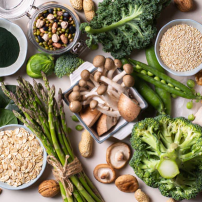
- beans and lentils
- tofu and other soya foods
- nuts and seeds
- dark green leafy vegetables
- dried fruit
- eggs
- iron-fortified cereals and breads
Not all dietary iron is absorbed in the same way, however. There are two main types: heme iron and non-heme iron.
Heme iron is found in animal foods and is generally more easily absorbed by the body. Non-heme iron is found mainly in plant foods and fortified products.
If you follow a plant-based diet, there are still plenty of ways to get iron – you may just need to pay a little more attention to what you eat alongside it.
1. Red Meat
Red meat is one of the best-known dietary sources of iron.
Beef and lamb provide heme iron, the form that is generally most easily absorbed by our bodies. They also provide protein and other nutrients, including vitamin B12 and zinc. You don't need to rely on red meat for iron, however. If you eat little or no meat, there are plenty of plant-based sources to include throughout the day.
2. Liver
Liver and other organ meats can be particularly rich sources of iron. They aren't everyone's cup of tea, but for those who enjoy them, they can contribute significant amounts of several nutrients.
There is one important exception: liver isn't recommended during pregnancy because of its high vitamin A content.
3. Fish & Shellfish
Seafood can be another useful source of iron, with the amount varying considerably between different types. Shellfish such as mussels and other molluscs can be particularly good sources, while some fish also contribute iron alongside protein and other nutrients. Rather than relying on one particular food, aim for variety across your diet.
4. Beans & Lentils
Beans, lentils and other pulses are excellent foods to have in the cupboard if you're looking to add more plant-based sources of iron to your meals.
Try:
- lentils
- chickpeas
- kidney beans
- black beans
- butter beans
- peas
They're also wonderfully versatile. Add lentils to soups, curries and bolognese-style sauces, toss chickpeas or beans into salads, or use them as the base of a warming stew. Because pulses provide non-heme iron, pair them with a source of vitamin C to help your body absorb the iron. A lentil curry with tomatoes or a bean salad with peppers, for example, makes a great combination.
5. Nuts & Seeds
Nuts and seeds are an easy way to add more nutrients to everyday meals and snacks. Pumpkin seeds, sesame seeds and some other nuts and seeds contain iron and can easily be scattered over porridge, yoghurt, salads and soups.
Tahini, which is made from sesame seeds, is another handy option. Try it in hummus, salad dressings or drizzled over roasted vegetables.
Again, these foods provide plant-based non-heme iron, so combining them with vitamin C-rich fruit or vegetables can help with absorption.
6. Dark Green Leafy Vegetables
Green vegetables such as spinach, kale and other dark leafy greens can contribute iron to your diet. It's worth remembering that although spinach is famous for its iron content, plant-based iron isn't absorbed as easily as the heme iron found in animal foods.
That doesn't make leafy greens any less worthwhile. They're a useful part of a varied diet and provide a wide range of other nutrients too. Try adding greens to soups, curries, pasta dishes, omelettes and stir-fries, or serve them alongside foods rich in vitamin C.
7. Tofu & Soya Foods
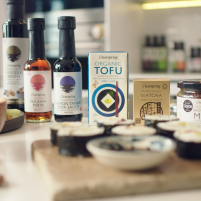
Tofu can be a particularly useful iron source for vegetarians and vegans. It's also incredibly versatile. Add tofu to stir-fries and curries, scramble it as an alternative to eggs or bake it until crisp for salads and grain bowls. Other soya foods can contribute iron too, making them useful additions to a varied plant-based diet.
8. Eggs
Do eggs contain iron? Yes, eggs contain some iron, although they aren't among the richest dietary sources. Eggs can contribute to your overall iron intake as part of a varied diet, but if increasing dietary iron is your goal, it makes sense to include them alongside richer sources rather than relying on eggs alone.
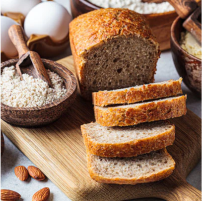
9. Fortified Breakfast Cereals
Some breakfast cereals and breads have iron added during production and can make a useful contribution to daily intake. The amount varies significantly between products, so check the nutrition information on the packaging rather than assuming all cereals contain the same amount.
Pairing an iron-fortified cereal with vitamin C-rich fruit such as berries or kiwi is an easy way to combine iron and vitamin C at breakfast.
10. Dried Fruit
Dried fruits such as raisins and apricots can contribute some iron and are easy to add to porridge, cereals, yoghurt or homemade trail mixes. They're best thought of as one of many sources rather than your main source of iron, but they can be a convenient addition to a varied diet.
What Are the Best Vegetarian and Vegan Sources of Iron?
You don't have to eat meat to get iron. Some useful plant-based iron sources include:
- lentils and beans
- chickpeas
- tofu and soya foods
- pumpkin and sesame seeds
- nuts
- dark green leafy vegetables
- dried fruit
- fortified cereals and breads
The iron in plant foods is non-heme iron, which isn't absorbed as readily as heme iron from animal foods. That's why combining plant-based sources with vitamin C is particularly helpful. For example, try lentils with tomatoes, beans with peppers, leafy greens with a squeeze of lemon or fortified cereal with berries.
How Can I Get More Iron From My Diet?
Rather than concentrating on one “superfood”, aim to include different sources of iron regularly throughout the week. Some simple ideas include:
- add beans or lentils to soups, curries and stews
- sprinkle pumpkin or sesame seeds over porridge and salads
- add leafy greens to pasta dishes, curries and stir-fries
- choose an iron-fortified breakfast cereal
- include tofu or beans in plant-based meals
- pair plant sources of iron with vitamin C-rich fruit and vegetables
Small changes across several meals can be much more practical than trying to find one food that provides all the iron you need.
Does Vitamin C Help With Iron Absorption?
Yes. Vitamin C helps increase the absorption of iron, particularly the non-heme iron found in plant foods. You don't need to make things complicated. Simply adding fruit or vegetables rich in vitamin C to an iron-containing meal can help. Think beans with tomatoes, lentils with peppers, leafy greens with lemon juice or fortified cereal with berries.
What About Tea and Coffee?
Tea and coffee contain natural compounds that can reduce the amount of iron your body absorbs when you drink them with a meal. If you're particularly conscious of your iron intake, consider enjoying your tea or coffee between meals rather than alongside your main iron-rich meals.
Do I Need an Iron Supplement?
Not everyone needs an iron supplement. A varied diet can provide iron for many people, and taking extra iron when you don't need it isn't necessarily beneficial.
If you're concerned that your iron levels may be low, it's better to speak to your doctor or another healthcare professional rather than trying to diagnose the problem yourself. They can advise whether testing is appropriate and whether you need additional iron.
If supplementation has been recommended, you can explore our iron supplements range, including tablets, capsules, gentle iron, iron bisglycinate, liquid iron and iron tonics.
For more on what iron actually does in the body, read our guide What Does Iron Do? Benefits, Sources & Why We Need It.
The Evergreen View
When it comes to getting more iron from your diet, variety is your friend.
There isn't one magic iron-rich food you need to eat every day. Instead, include a mixture of iron-containing foods that work for the way you eat – whether that's meat and seafood, beans and lentils, tofu, seeds, leafy greens or fortified foods.
If most of your iron comes from plant foods, remember the vitamin C trick. Pairing the two is a simple way to help your body absorb more of the iron on your plate.
And if you're concerned about low iron, speak to a healthcare professional rather than simply increasing your intake or starting a high-dose supplement.
Please note, this blog is for informational purposes only and should not replace medical advice.
It’s always best to consult your doctor before taking any new supplements, treatments or remedies if you are pregnant, breastfeeding or on medication.
Checked and updated: 23rd September 2026