

How to Choose a Multivitamin for Kids
Parents often ask us which children's multivitamin is best. It's understandable. There are gummies, liquids, chewables, powders and capsules, all containing slightly different combinations of vitamins and minerals. Add different age recommendations into the mix and choosing one can quickly become confusing.
The important thing to know is that there isn't one children's multivitamin that's right for every child. Instead, think about your child's age, diet and individual needs – as well as finding something they're actually happy to take.
Does my child need a multivitamin?
A varied, balanced diet should always be the starting point for children's nutrition. Children need a range of nutrients as they grow, and food provides much more than individual vitamins and minerals.
Of course, anyone who has tried to persuade a reluctant child to eat their vegetables knows that children's diets don't always look exactly as we'd planned!
Whether your child needs a multivitamin will depend on their individual circumstances. Government recommendations for particular vitamin supplements can also vary according to a child's age.
If you're concerned about your child's diet, growth or nutritional intake, speak to your GP, pharmacist or another qualified healthcare professional rather than relying on a multivitamin to address the concern.
What should I look for in a children's multivitamin?
Start with the age recommendation. Children's supplements can be designed for quite different age groups, so don't assume that every product labelled "kids" will be appropriate for your child.
Next, look at the nutrients and amounts provided by the recommended daily serving.
Children's multivitamins commonly contain combinations of vitamins and minerals such as vitamin C, vitamin D, B vitamins, zinc and iodine, although individual formulas vary. The aim isn't necessarily to find the product containing the greatest number or highest amounts of nutrients. It's to find an age-appropriate supplement that fits your child's individual requirements.
What are the different types of kids' multivitamins?
One of the biggest differences between children's multivitamins is how they're taken.
Gummies and chewable vitamins
These can be convenient for children who don't like swallowing tablets or capsules. However, as they look and sometimes taste like sweets, it's particularly important to follow the serving instructions and keep them safely out of children's reach.
Liquid multivitamins
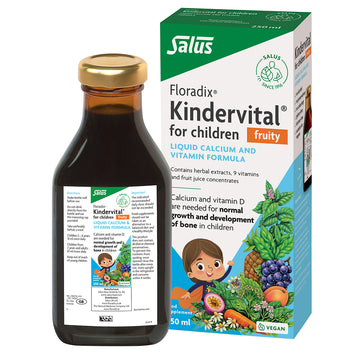
Liquid formulas can be useful for younger children and anyone who finds solid supplements difficult to take. Always use the measuring device supplied and follow the age-specific directions on the product.
Multivitamin powders
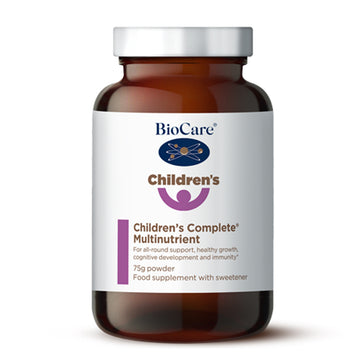
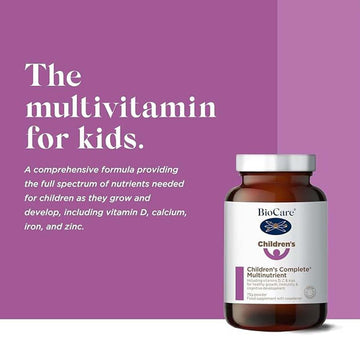
Powders provide another alternative and, depending on the individual product instructions, may be mixed into food or drinks.
Capsules and tablets
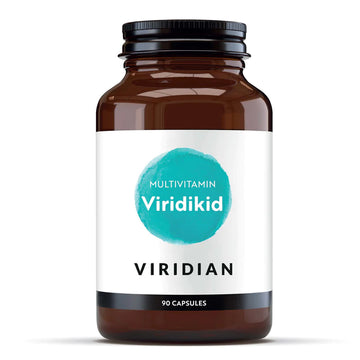
Some children's multivitamins are available as smaller tablets or capsules, particularly for older children. Again, check the manufacturer's recommended age rather than choosing purely by format.
You can compare the different options in our Kids Multivitamins collection.
What about vitamin D for children?
Vitamin D contributes to the normal function of the immune system in children and is needed for normal growth and development of bone.
There are specific public-health recommendations around vitamin D supplementation for children, and these can depend on age and individual circumstances.
Because recommendations can change, we suggest checking the latest Irish or UK guidance relevant to where you live or asking your pharmacist or healthcare professional.
If a child is already taking vitamin D separately, remember to check how much is also provided by their multivitamin. Take a look at our Kids Vitamin D range for our hand-picked selection
Should a children's multivitamin contain iron?
Some children's multivitamins contain iron and others don't. Iron contributes to normal cognitive development in children and to the normal formation of red blood cells and haemoglobin.
Whether an iron-containing supplement is appropriate will depend on the child and their diet. If you're concerned that your child may not be getting enough iron, seek professional advice rather than simply choosing the multivitamin containing the highest amount.
What about multivitamins for fussy eaters?
Fussy eating is one of the most common reasons parents ask us about children's multivitamins.
A supplement can provide particular vitamins and minerals, but it doesn't provide all the benefits of a varied diet.
Rather than seeing a multivitamin as a replacement for foods a child doesn't eat, think of it as something that may complement their diet where appropriate.
If your child's diet is very restricted or you're concerned about their nutritional intake, it's worth discussing this with a healthcare professional.
How do I compare children's multivitamins?
When you're standing in front of several different products, concentrate on a few practical questions:
- Is it suitable for my child's age?
- Which vitamins and minerals does it provide?
- Is my child already taking any of these nutrients separately?
- Does it contain iron?
- Does it suit any dietary requirements or allergies?
- Is the serving size practical?
- Is it a format my child will take consistently?
There's little benefit in buying a complicated formula if getting your child to take it becomes a daily battle.
Are adult multivitamins suitable for children?
Don't assume that they are. Adult supplements are formulated for adults and may contain different amounts of vitamins and minerals from products specifically intended for children. Always follow the age guidance on the product label.
Which multivitamin is best for my child?
There's no single answer. A two-year-old, a ten-year-old and a teenager have different nutritional considerations, and diet varies enormously between children too.
Rather than looking for the product described as the "strongest" or containing the most ingredients, look for an age-appropriate formula that suits your child's diet and is easy for them to take.
You can browse our Kids Multivitamins to compare children's liquids, powders, chewables and other options.
If you're still unsure, ask the Evergreen team. We can help you understand the differences between products and their ingredients so you can make an informed choice for your family.
Food supplements should not be used as a substitute for a varied, balanced diet and healthy lifestyle. Always follow the product directions and recommended age. Speak to a healthcare professional if you have concerns about your child's diet, nutrition or supplement needs.
Checked and updated 17th September 2026