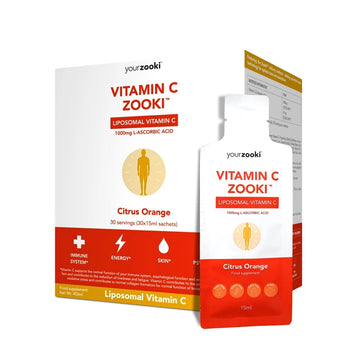


Liposomal Vitamin C: Benefits, Absorption & How It Works
Liposomal vitamin C has become an increasingly popular alternative to conventional vitamin C supplements, particularly for people looking for a different way to supplement their intake. But what does “liposomal” actually mean – and is liposomal vitamin C really better absorbed?
The difference isn't the vitamin itself. Liposomal supplements use tiny structures made from fats called phospholipids to carry vitamin C. Research suggests that this type of delivery can increase the amount of vitamin C reaching the bloodstream compared with conventional oral vitamin C, although results vary between formulations.
Here's how it works, what the research tells us and what to consider when choosing between liposomal and regular vitamin C.
What Is Liposomal Vitamin C?
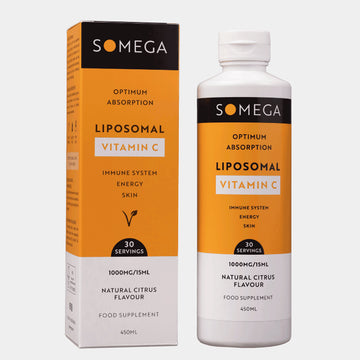
Liposomal vitamin C is vitamin C contained within tiny structures known as liposomes. Liposomes are made from phospholipids – the same type of fatty substances that form an important part of our cell membranes.
Their structure allows them to hold water-soluble substances such as vitamin C, which is why liposomes are used as a delivery system in some supplements. Put simply, the vitamin C itself still performs the same roles in the body. It's the way it's packaged and delivered that is different.
How Does Liposomal Vitamin C Work?
Vitamin C is a water-soluble nutrient that is absorbed through the digestive system. With a liposomal supplement, the vitamin C is incorporated into phospholipid structures before you take it. Researchers have been investigating whether this changes the way vitamin C is absorbed and increases its bioavailability – the amount that becomes available to the body.
Several studies have found higher blood concentrations of vitamin C after taking particular liposomal formulations compared with equivalent doses of conventional oral vitamin C.
However, liposomal products aren't all identical. Their formulation, dose and manufacturing methods can differ, which means findings from one particular product shouldn't automatically be applied to every liposomal vitamin C supplement.
Is Liposomal Vitamin C Better Absorbed?
There is growing evidence that some liposomal vitamin C formulations can increase vitamin C bioavailability compared with conventional oral vitamin C. A 2025 review looked at 10 studies comparing liposomal and non-liposomal vitamin C. Nine reported greater bioavailability with the liposomal formulations studied. However, there were considerable differences between the studies, including the liposomal formulations used, the amount of vitamin C taken and how long participants were monitored.
This means the evidence is promising, but it doesn't tell us that every liposomal product is absorbed to exactly the same degree. It also doesn't necessarily mean that better absorption produces greater everyday health benefits. More research is needed to understand whether differences in bioavailability translate into meaningful differences in health outcomes.
What Are the Benefits of Liposomal Vitamin C?
The nutritional benefits still come from vitamin C itself.
Vitamin C:
- supports the normal function of the immune system
- helps protect cells from oxidative stress
- helps your body make collagen
- supports the normal functioning of the nervous system
- helps increase iron absorption
- can help reduce tiredness and fatigue
Liposomal delivery doesn't give vitamin C a completely different set of health benefits. The potential advantage is in how the vitamin C is delivered and absorbed. For a deeper look at what vitamin C does in the body, read our guide to vitamin C benefits.
Liposomal Vitamin C and Collagen
Vitamin C has an important role in normal collagen formation. Collagen is a structural protein found throughout the body, including in the skin, bones, cartilage and blood vessels. Your body makes collagen naturally, but it needs vitamin C as part of this process. This applies whether the vitamin C comes from food, a conventional supplement or a liposomal supplement.
While you'll often see liposomal vitamin C promoted for collagen or skin, it's important to distinguish between the benefits of vitamin C itself and the liposomal delivery system. You can learn more in our guide to the health benefits of collagen.
Liposomal Vitamin C vs Regular Vitamin C
So which should you choose? Conventional vitamin C supplements are widely available, come in many different formats and can provide a straightforward way to supplement your intake.
Liposomal vitamin C uses a different delivery system, and research suggests some formulations may result in higher vitamin C concentrations in the blood.
That doesn't make conventional vitamin C ineffective or mean everyone needs to choose a liposomal product.
The best choice can depend on factors such as:
- how much vitamin C the product provides
- the format you prefer
- how often it needs to be taken
- the other ingredients in the formulation
- cost
- how easily it fits into your routine
For many people, a conventional vitamin C supplement may be perfectly suitable. Liposomal vitamin C simply offers another option.
Liquid or Capsule Liposomal Vitamin C?
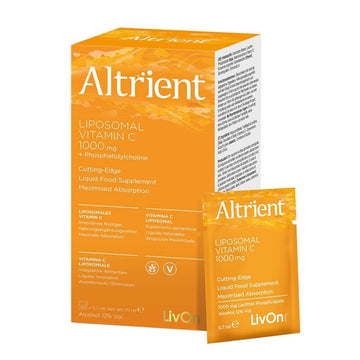
Although liposomal vitamin C is often associated with liquids and sachets, it's also available in capsule form. The format alone doesn't tell you how well a product will be absorbed. The quality and composition of the liposomal formulation matter too.
When comparing products, look at the amount of vitamin C provided per serving, the recommended directions and any additional ingredients rather than choosing solely on whether it's a liquid or capsule.
How Much Vitamin C Do You Need?
According to the HSE, adults aged 19 to 64 need 40mg of vitamin C per day, and most people should be able to get the vitamin C they need through a varied, balanced diet. A liposomal supplement isn't necessary simply because vitamin C is an essential nutrient. If you do choose to supplement, follow the recommended serving on the product rather than assuming a higher dose will provide greater benefits.
Can You Take Too Much Liposomal Vitamin C?
Liposomal vitamin C is still vitamin C, so the same consideration around high supplemental intakes applies. The HSE advises that taking more than 1,000mg of vitamin C per day from supplements can cause digestive effects such as stomach pain, diarrhoea and flatulence.
Taking less than 1,000mg per day from vitamin C supplements is unlikely to cause harm for most people, according to HSE guidance. Always follow the directions on your chosen product and speak to a healthcare professional if you're unsure whether a supplement is appropriate for you.
Is Liposomal Vitamin C Worth It?
It depends on what you're looking for. Research increasingly suggests that liposomal delivery can improve the bioavailability of vitamin C, but that doesn't mean everyone needs it or that it will provide noticeably different health benefits from conventional vitamin C. If you're already getting enough vitamin C through your diet, you may not need a supplement at all.
If you do want to supplement, conventional and liposomal vitamin C both provide the same essential nutrient. Liposomal vitamin C may appeal if you're specifically interested in its delivery system, while conventional products may offer a simpler or more affordable option.
The Evergreen View
Liposomal vitamin C is more than just a marketing term. There is evidence that some liposomal formulations can increase the bioavailability of vitamin C compared with conventional oral supplements. But it's important to keep that evidence in perspective.
Better absorption doesn't automatically mean better health outcomes, and we wouldn't suggest that everyone needs to pay more for a liposomal product.
Start with the basics: eat a varied diet containing plenty of fruit and vegetables, consider whether you actually need a supplement and then choose the format that works best for you.
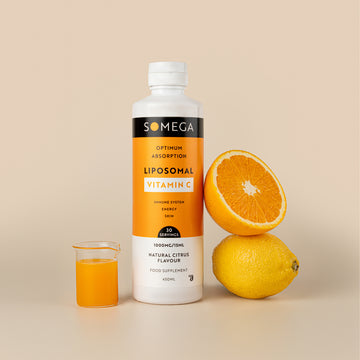
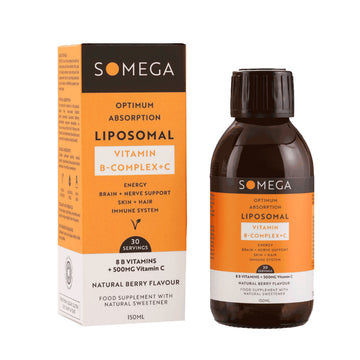
If liposomal vitamin C appeals to you, explore our liposomal vitamin C range. You can also browse all vitamin C supplements or read our guide to the benefits of vitamin C.
Updated 23rd September 2026