

Types of Magnesium: Which Form Is Best for You?
If you've ever shopped for a magnesium supplement, you'll know there are plenty of different types to choose from.
Magnesium citrate, bisglycinate, malate, taurate and L-threonate are just some of the forms you'll find – and understanding the difference isn't always straightforward.
So, which type of magnesium is best?
There's no single form that's right for everyone. Different magnesium supplements vary in how they're formulated, how much magnesium they provide and how well they're tolerated. Your reason for taking magnesium and the type of supplement you prefer can also help you decide.
Here, we explain the most common types of magnesium and what to consider when choosing between them.
Why Is Magnesium Important?
Magnesium is an essential mineral involved in many processes throughout the body.
Among its recognised roles, magnesium contributes to:
- Normal muscle function
- Normal functioning of the nervous system
- Normal psychological function
- Normal energy-yielding metabolism
- The reduction of tiredness and fatigue
- Maintenance of normal bones and teeth
- Normal protein synthesis
- Electrolyte balance
You can get magnesium naturally from foods including nuts, seeds, whole grains, beans, pulses and green leafy vegetables.
Magnesium supplements offer another way to increase your intake and are available in several different forms.
What Are the Different Types of Magnesium?
Magnesium used in supplements is usually combined with another substance. This creates the different forms you see on supplement labels, such as magnesium citrate or magnesium bisglycinate.
The form can influence things such as how the supplement is absorbed, how well you tolerate it and how much actual – or elemental – magnesium it provides.
Let's look at some of the most common types.
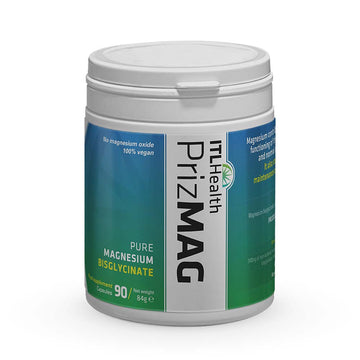
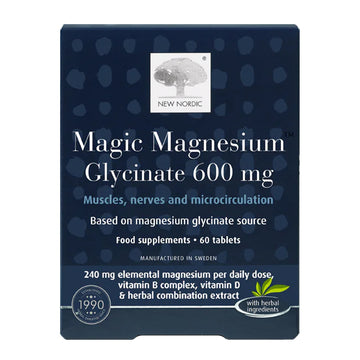
1. Magnesium Bisglycinate
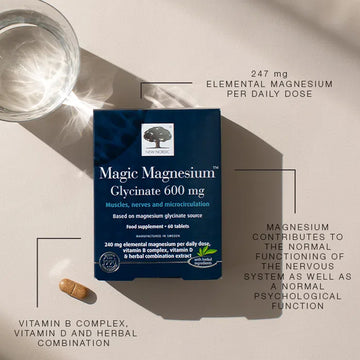
Magnesium bisglycinate, also commonly called magnesium glycinate, combines magnesium with the amino acid glycine. It's become one of the most popular forms of magnesium and is commonly chosen because it is generally well tolerated by the stomach.
You'll frequently find magnesium bisglycinate in supplements geared towards evening routines, relaxation and sleep. It's important to remember, however, that magnesium itself has recognised benefits including contributing to normal nervous-system function and normal psychological function. Magnesium isn't an authorised treatment for insomnia or anxiety.
Bisglycinate can be a useful form to consider if you're looking for an easy-to-take magnesium supplement and tummy tolerance is important to you.
Good to know: Magnesium glycinate and magnesium bisglycinate are terms you'll often see used interchangeably.
Want to know more? Read our complete guide to Magnesium Bisglycinate: Benefits, Uses and How to Take It.
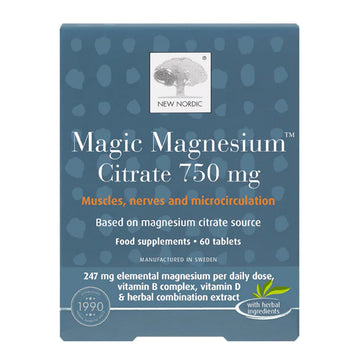
2. Magnesium Citrate
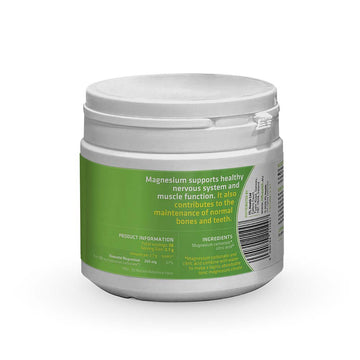
Magnesium citrate combines magnesium with citric acid. It's one of the most widely available forms of magnesium and you'll find it in capsules, tablets and particularly powders that can be mixed with water.
Magnesium citrate is commonly used as a general magnesium supplement and is considered a well-absorbed form.
It can also have a laxative effect in some people, particularly at higher amounts. That's worth considering when deciding between magnesium citrate and forms such as bisglycinate.
Magnesium Citrate vs Bisglycinate
Both are popular forms and neither is universally better.
Magnesium bisglycinate is often chosen when gastrointestinal tolerance is a priority, while magnesium citrate is a widely available option that works particularly well in powder and drink formats.
The amount of elemental magnesium provided can vary considerably between individual products, so compare the labels rather than choosing based on the form alone.
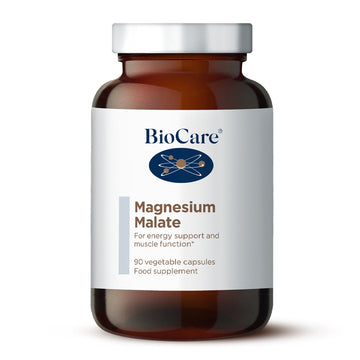
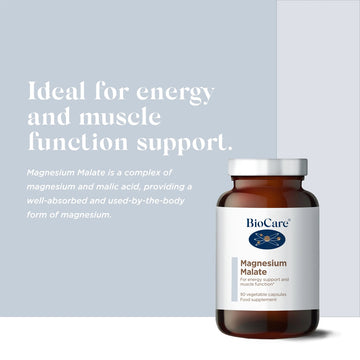
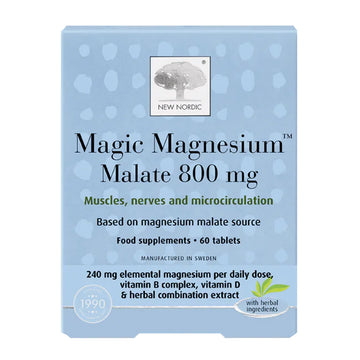
3. Magnesium Malate
Magnesium malate combines magnesium with malic acid, a substance naturally found in foods including apples.
You'll often see magnesium malate included in supplements positioned around energy and active lifestyles.
Magnesium contributes to normal energy-yielding metabolism, the reduction of tiredness and fatigue and normal muscle function.
These recognised benefits come from magnesium rather than being unique properties of magnesium malate.
Magnesium malate may therefore appeal to people looking for a magnesium supplement to incorporate into a daytime or active-lifestyle routine.
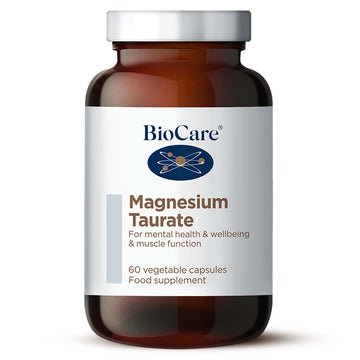
4. Magnesium Taurate
Magnesium taurate combines magnesium with taurine, an amino acid naturally found in the body and certain foods. You'll often see magnesium taurate recommended for people interested in cardiovascular wellbeing.
However, we need to be careful about assuming that combining magnesium with taurine gives the finished supplement specific heart or blood-pressure benefits.
Magnesium itself contributes to normal muscle function, normal nervous-system function and electrolyte balance.
If you're considering magnesium because of a cardiovascular condition or because you take blood-pressure or heart medication, speak to your doctor or pharmacist for individual advice.
5. Magnesium L-Threonate
Magnesium L-threonate is a newer form that has attracted attention in supplements marketed around brain health and cognitive wellbeing.
Research into magnesium L-threonate has explored how this particular form behaves in the body, which has helped drive its popularity in cognitive-health supplements.
However, claims that it will improve memory, focus or concentration shouldn't be treated as established benefits of magnesium supplementation.
Magnesium itself contributes to normal psychological function and normal functioning of the nervous system.
Another practical consideration is elemental magnesium. Different magnesium compounds can provide very different amounts of actual magnesium, so check the nutritional information rather than comparing the weight of the compounds alone.
6. Magnesium Chloride
Magnesium chloride is commonly found in magnesium sprays, oils, gels and bath flakes, as well as some oral products.
Topical magnesium products are applied directly to the skin and are popular as part of relaxation, massage and post-exercise routines.
However, applying magnesium to the skin isn't necessarily equivalent to taking an oral magnesium supplement. Evidence around how much magnesium is absorbed through healthy skin remains limited.
If your objective is specifically to increase your dietary magnesium intake, an oral magnesium supplement provides a measurable amount that can be identified on the nutritional information.
Which Type of Magnesium Is Best?
There isn't one "best" magnesium supplement for everybody.
A useful way to narrow down your choice is to consider what matters most to you.
|
If you're looking for… |
Type you might encounter | What to consider |
| A generally well-tolerated form | Magnesium bisglycinate | Popular chelated form and often used in evening routines |
| A versatile everyday option | Magnesium citrate | Widely available, particularly in powders; may have a laxative effect |
| An active or daytime routine | Magnesium malate | Frequently positioned around energy; magnesium contributes to normal energy metabolism |
| A specialist magnesium formulation | Magnesium taurate | Combines magnesium with taurine |
| A form commonly marketed for cognitive wellbeing | Magnesium L-threonate | Specialist form; check elemental magnesium and avoid assuming marketing claims are established benefits |
| A topical format | Magnesium chloride | Popular in sprays, oils and bath products; evidence for absorption through the skin is limited |
The important thing is that these aren't prescriptions for particular health concerns. They're a starting point for understanding how the different forms are commonly used and marketed.
What Does Elemental Magnesium Mean?
When comparing magnesium supplements, don't just compare the biggest number on the front of the pack.
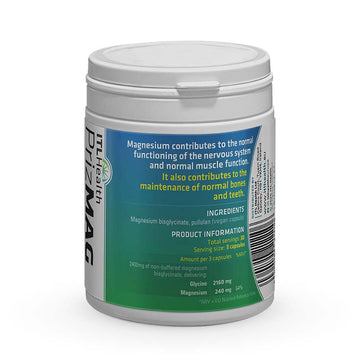
A magnesium compound contains both magnesium and the substance it's attached to. That means 1,000mg of a magnesium compound doesn't necessarily provide 1,000mg of magnesium.
The amount you actually want to compare is the elemental magnesium.
Look at the nutritional information for wording such as:
Magnesium: 200mg – 53% NRV
The Nutrient Reference Value (NRV) for magnesium is 375mg per day.
That doesn't mean you need to get 375mg from a supplement. Your everyday diet contributes magnesium too.
Which Magnesium Is Best for Sleep?
Magnesium bisglycinate is probably the form you'll encounter most frequently when searching for magnesium for sleep. It's popular in evening supplements because of its tolerability and its combination with glycine.
However, magnesium isn't a sleeping tablet, and we wouldn't describe one magnesium form as a treatment for poor sleep.
Magnesium contributes to normal nervous-system function and normal psychological function. Healthy sleep also depends on many other factors, including your sleep routine, caffeine intake, stress and sleep environment.
Read our full guide to magnesium and sleep to explore this in more detail.
Which Magnesium Is Best for Muscles?
Magnesium contributes to normal muscle function, which applies to magnesium regardless of whether it's provided as citrate, bisglycinate, malate or another suitable form.
Rather than assuming one form is automatically "best" for muscles, consider:
- How much magnesium the product provides
- How well you tolerate it
- Whether you prefer capsules, tablets or powders
- Any additional ingredients in the formula
- How conveniently it fits into your routine
If exercise is your main reason for researching magnesium, read our guide to magnesium and muscle recovery.
Which Magnesium Is Best for Energy?
Magnesium contributes to normal energy-yielding metabolism and to the reduction of tiredness and fatigue.
Magnesium malate is frequently marketed towards people interested in energy because it combines magnesium with malic acid. But the recognised energy-related benefits of magnesium aren't exclusive to magnesium malate.
If you're experiencing ongoing or unexplained fatigue, speak to your GP rather than assuming a magnesium supplement will resolve it.
Is Magnesium Bisglycinate Better Than Other Forms?
Magnesium bisglycinate has become particularly popular, but that doesn't mean it's automatically the best form for everyone.
Its combination with glycine and generally good tolerability can make it an attractive option. However, magnesium citrate, malate and other forms can also be suitable depending on what you're looking for.
If you're specifically considering bisglycinate, we've gone into much more detail in our guide to magnesium bisglycinate, including how it compares with citrate and when people commonly choose to take it.
Capsules, Powders or Magnesium Sprays?
The form of supplement you prefer matters too.
Capsules and tablets are convenient and make it easy to know how much magnesium you're taking.
Magnesium powders can be mixed with water and may appeal if you don't like swallowing tablets.
Topical magnesium includes sprays, oils, gels and bath flakes. These can be incorporated into massage, relaxation or post-exercise routines, although evidence for meaningful magnesium absorption through the skin is limited.
There's no need to choose a complicated format if a simple supplement works well for you.
How Do I Choose a Magnesium Supplement?
When comparing magnesium supplements, look beyond the marketing on the front of the pack.
Consider:
- The type of magnesium – citrate, bisglycinate, malate or another form.
- Elemental magnesium – how much actual magnesium does a serving provide?
- Serving size – do you need one capsule or several?
- Format – capsule, tablet, powder or another option?
- Other ingredients – is magnesium combined with additional vitamins, minerals or herbs?
- Your individual needs – including medication, health conditions and dietary requirements.
If you're unsure which product is appropriate, ask a pharmacist or another appropriately qualified healthcare professional.
Frequently Asked Questions
What is the best form of magnesium?
There isn't one form that's best for everyone. Magnesium bisglycinate and citrate are two particularly popular options, while malate, taurate and L-threonate are also available. Consider elemental magnesium, tolerability, format and your individual requirements.
What's the difference between magnesium glycinate and bisglycinate?
The terms are commonly used interchangeably. Bisglycinate is the more precise name for magnesium bound to two glycine molecules.
What is the most easily absorbed form of magnesium?
Magnesium absorption varies between different compounds, but it isn't helpful to think of magnesium supplements as a simple league table. Citrate and bisglycinate are among the commonly used forms when absorption and tolerability are considerations.
Can you take magnesium every day?
Many magnesium supplements are designed for daily use when taken according to their directions. Check how much magnesium your supplement provides and don't exceed the recommended amount.
When is the best time to take magnesium?
There isn't one best time for everyone. Some people take magnesium with a meal, while bisglycinate is often incorporated into an evening routine. Follow the directions for your individual product.
Is more magnesium better?
No. More isn't automatically better. Check the amount of elemental magnesium provided and follow the recommended serving.
Finding the Right Magnesium for You
With citrate, bisglycinate, malate, taurate, L-threonate and other forms available, choosing magnesium can initially seem more complicated than it needs to be.
Start with the basics: how much magnesium does the supplement provide, how well do you tolerate it and which format works best for your routine?
If you're particularly interested in magnesium glycinate or bisglycinate, read our complete guide to Magnesium Bisglycinate: Benefits, Uses and How to Take It.
You can also explore Evergreen's full range of magnesium supplements.
Evergreen – Good Health, Naturally.
Edited 1st September 2026