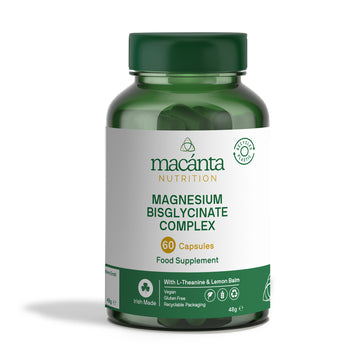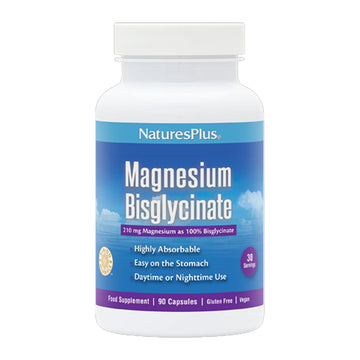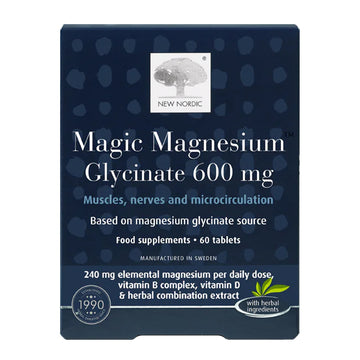


Magnesium Bisglycinate: Benefits, Uses and How to Take It
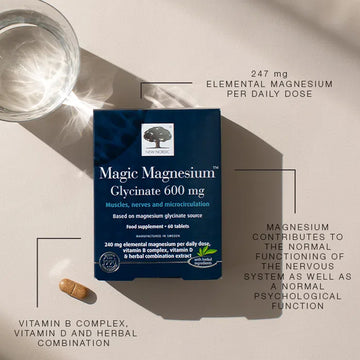
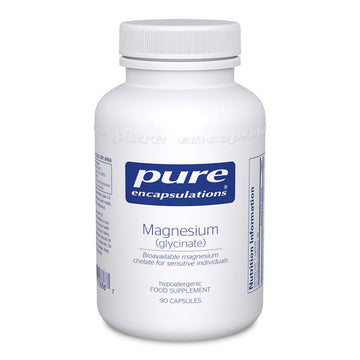
If you've been looking for a magnesium supplement recently, you've probably come across magnesium bisglycinate – or magnesium glycinate, as it's also commonly called.
It's become one of the most popular forms of magnesium, particularly among people looking for a magnesium supplement that's easy to take and generally gentle on the stomach.
It's also frequently associated with sleep and relaxation, which raises a few obvious questions. What exactly is magnesium bisglycinate? Is magnesium glycinate the same thing? And how does it compare with other types of magnesium?
Let's make it simple.
What Is Magnesium Bisglycinate?
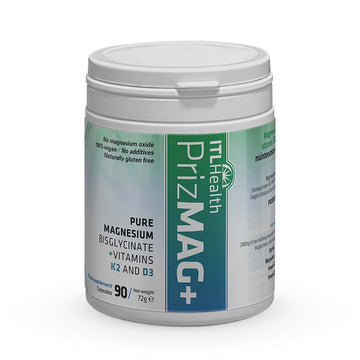
Magnesium bisglycinate is magnesium combined with glycine, an amino acid naturally found in the body. You may also see this described as a chelated form of magnesium. This simply means the magnesium has been combined with another substance – in this case, glycine.
This form has become popular because it is generally well tolerated and is commonly chosen by people who want an everyday magnesium supplement.
Is Magnesium Bisglycinate the Same as Magnesium Glycinate?
In everyday use, magnesium glycinate and magnesium bisglycinate usually refer to the same form of magnesium.
Bisglycinate is the more precise name, but you'll see both terms used on supplement packaging and when researching magnesium online.
So if you've been searching for magnesium glycinate and find a supplement labelled magnesium bisglycinate, don't assume you've found something completely different.
It's always worth checking the individual product label to see exactly what type and amount of magnesium it provides.
What Are the Benefits of Magnesium Bisglycinate?
Magnesium is an essential mineral that your body needs for many everyday functions.
Magnesium contributes to:
- Normal muscle function
- Normal functioning of the nervous system
- Normal psychological function
- Normal energy production
- The reduction of tiredness and fatigue
- Maintenance of normal bones and teeth
- Normal protein synthesis
- Electrolyte balance
These are benefits of magnesium itself, rather than benefits that are unique to magnesium bisglycinate.
So why choose bisglycinate?
For many people, its appeal comes down to practical considerations. It's a popular form of magnesium, generally well tolerated and commonly used in supplements designed to fit easily into an everyday or evening routine.
Is Magnesium Bisglycinate Good for Sleep?
This is one of the most common reasons people search for magnesium bisglycinate.
Magnesium bisglycinate has become particularly popular with people looking to support their evening routine and sleep. Magnesium contributes to normal nervous system function and normal psychological function, although it's important to remember that magnesium isn't a treatment for sleep problems.
Think of it as one part of a healthy evening routine, alongside regular sleep times, winding down before bed, creating a comfortable sleep environment and limiting caffeine later in the day.
The glycine in magnesium bisglycinate is another reason you'll often see this particular form associated with sleep. However, the amount of glycine in a magnesium supplement may be very different from amounts used in studies looking specifically at glycine.
So it's better to think of magnesium bisglycinate primarily as a source of magnesium, rather than assuming you'll get all the potential effects associated with taking glycine separately.
For more information, take a look at our blog Magnesium for Sleep: Can Magnesium Help You Sleep Better?
Magnesium Bisglycinate for Muscles
Magnesium contributes to normal muscle function, which is one reason magnesium supplements are popular with active people. It also contributes to normal protein synthesis and electrolyte balance.
This doesn't mean bisglycinate is the only type of magnesium suitable for people who exercise. Citrate, malate and other forms also provide magnesium.
The best option may simply come down to how much magnesium a supplement provides, how well you tolerate it and which format works best for your routine.
Magnesium Bisglycinate for Tiredness and Energy
Magnesium contributes to normal energy production and to the reduction of tiredness and fatigue.
This doesn't mean taking magnesium will give you an instant energy lift in the way caffeine might. Magnesium instead plays a role in the normal processes your body uses to release energy from food.
It's also important not to assume that feeling tired means you're low in magnesium. Persistent or unexplained tiredness can have many causes, so speak to your GP if you're concerned.
Magnesium Bisglycinate for Stress and Relaxation
You'll often find magnesium bisglycinate marketed for stress, calm and relaxation.
Magnesium contributes to normal psychological function and normal functioning of the nervous system, which helps explain why it has become so closely associated with relaxation and evening routines.
However, a magnesium supplement isn't a treatment for stress or anxiety.
Alongside good nutrition, things such as regular movement, spending time outdoors, getting enough sleep and making time to unwind can all form part of looking after your everyday wellbeing.
Is Magnesium Bisglycinate Gentle on the Stomach?
This is one of the main practical reasons people choose magnesium bisglycinate.
It's generally considered a well-tolerated form of magnesium and may be worth considering if you're looking for a magnesium supplement that's gentle on the stomach.
Some magnesium supplements can have a laxative effect or cause digestive discomfort, particularly when larger amounts are taken. Individual responses vary, however, so always follow the recommended serving on your supplement.
Is Magnesium Bisglycinate Easy to Absorb?
Magnesium bisglycinate is commonly chosen because it is considered a well-absorbed form of magnesium.
However, it isn't helpful to think of magnesium supplements as a simple ranking from "best absorbed" to "worst absorbed".
How much magnesium your body absorbs can depend on several things, including how much you take, your diet and your individual magnesium needs.
Bisglycinate is certainly a popular option, but that doesn't mean other forms of magnesium are automatically poorly absorbed or unsuitable.
Magnesium Bisglycinate vs Magnesium Citrate: What's the Difference?
Magnesium citrate is another of the most popular magnesium supplements.
The basic difference is straightforward:
Magnesium bisglycinate combines magnesium with glycine.
Magnesium citrate combines magnesium with citric acid.
Both provide magnesium and both are widely used.
Bisglycinate is often chosen when being gentle on the stomach is a priority. Magnesium citrate is also well absorbed but can have more of a laxative effect for some people, particularly at higher amounts.
That doesn't make one universally better than the other.
If you want to compare bisglycinate with citrate, malate, taurate, L-threonate and other forms, read our guide to Types of Magnesium: Which Form Is Best for You?
What Does Elemental Magnesium Mean?
This is one of the most useful things to understand when you're comparing magnesium supplements.
The biggest number on the label doesn't always tell you how much magnesium you're actually getting.
Elemental magnesium simply means the amount of actual magnesium provided by the supplement.
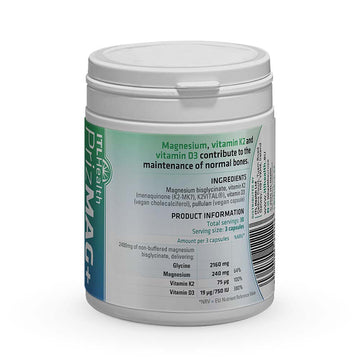
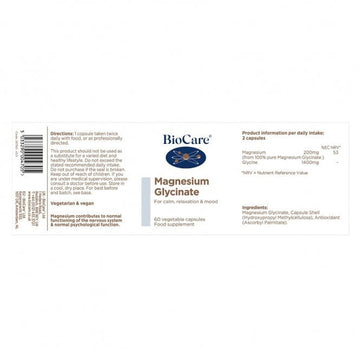
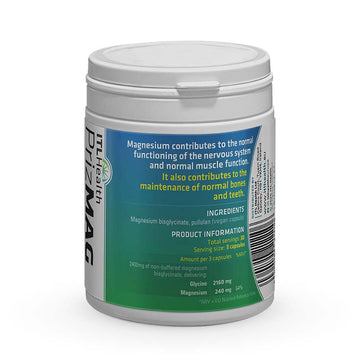
For example, the total amount of magnesium bisglycinate used in a product will be higher than the amount of magnesium it provides because the ingredient also contains glycine.
When comparing products, look at the nutritional information for the amount listed as Magnesium rather than simply comparing the total weight of magnesium bisglycinate.
You'll usually also see this shown as a percentage of the NRV, or Nutrient Reference Value.
The NRV for magnesium is 375mg per day.
That doesn't mean you need to get 375mg from a supplement. Foods in your everyday diet contribute magnesium too.
What Foods Contain Magnesium?
Supplements aren't the only way to get magnesium.
Magnesium is naturally found in foods including:
- Nuts and seeds
- Whole grains
- Beans and pulses
- Green leafy vegetables
- Cocoa
A varied, balanced diet should always be the starting point for meeting your nutritional needs.
A magnesium supplement can provide a convenient and measured additional source when appropriate.
How Much Magnesium Bisglycinate Should I Take?
There isn't one amount of magnesium bisglycinate that's right for everyone.
Different supplements provide different amounts of actual magnesium, which is why checking the label is more useful than simply comparing the amount of magnesium bisglycinate advertised on the front of the pack.
Follow the recommended serving for your particular supplement and remember that more isn't automatically better.
It's also worth checking any other supplements you take, such as multivitamins, to see whether they already contain magnesium.
When Is the Best Time to Take Magnesium Bisglycinate?
There's no single best time to take magnesium bisglycinate.
Because this form is frequently associated with relaxation and sleep, many people choose to include it in their evening routine.
But that doesn't mean magnesium bisglycinate has to be taken at night. You can also take it earlier in the day if that suits your routine better.
The most important thing is to follow the directions on your particular supplement, including whether it should be taken with food.
Can You Take Magnesium Bisglycinate Every Day?
Many magnesium bisglycinate supplements are designed to be taken daily when used according to the directions on the label.
Check how much magnesium your supplement provides and stick to the recommended serving.
If you're unsure whether a magnesium supplement is suitable for you, particularly if you have a health condition or take regular medication, speak to your doctor or pharmacist.
Who Should Be Careful with Magnesium Supplements?
Magnesium supplements aren't suitable for everyone.
It's particularly important to seek professional advice before taking magnesium if you have kidney problems or another condition that may affect how your body handles minerals.
Magnesium can also affect how certain medicines are absorbed, including some antibiotics. Your doctor or pharmacist can tell you whether you need to leave a gap between your medication and magnesium supplement.
If you're pregnant or breastfeeding, ask an appropriate healthcare professional for advice before starting a new supplement.
Frequently Asked Questions
Is magnesium glycinate the same as magnesium bisglycinate?
The terms are commonly used to describe the same form of magnesium. Bisglycinate is the more precise name, while glycinate is often used as a shorter version.
Check the individual product label if you're unsure about the form provided.
What is magnesium bisglycinate good for?
Magnesium contributes to normal muscle function, normal functioning of the nervous system, normal psychological function, normal energy production and the reduction of tiredness and fatigue, among several other recognised roles.
These are benefits of magnesium rather than benefits unique to the bisglycinate form.
Why is magnesium bisglycinate so popular?
It's generally well tolerated and has become particularly popular in supplements designed for evening, relaxation and sleep routines.
It's also widely available in convenient capsule and tablet formats.
Does magnesium bisglycinate help you sleep?
Magnesium bisglycinate is popular with people looking to support an evening or sleep routine, but magnesium isn't a sleeping tablet or treatment for insomnia.
Magnesium contributes to normal nervous system function and normal psychological function. Sleep is also influenced by many other factors, including your daily routine, stress, caffeine and sleep environment.
Does magnesium bisglycinate make you sleepy?
Not necessarily. You shouldn't expect magnesium bisglycinate to act like a sedative or make everyone feel sleepy.
Some people choose to take it in the evening because it fits naturally into their bedtime routine, but it can also be taken at other times of the day.
Is magnesium bisglycinate better than magnesium citrate?
Neither is best for everyone.
Both provide magnesium. Bisglycinate is often chosen because it is generally gentle on the stomach, while citrate is another popular and well-absorbed option that can have a laxative effect for some people.
Can I take magnesium bisglycinate in the morning?
Yes, unless the directions on your particular supplement say otherwise. There's no requirement to take magnesium bisglycinate at night.
What should I look for when buying magnesium bisglycinate?
Look at:
- How much actual magnesium each serving provides
- The recommended daily serving
- Whether magnesium bisglycinate is the main magnesium form
- The number of capsules or tablets needed per serving
- Any additional ingredients
- Whether the product suits your dietary requirements
Don't assume the product with the biggest number on the front is automatically the best choice.
Is Magnesium Bisglycinate Right for You?
Magnesium bisglycinate has become one of the most popular forms of magnesium. It's generally well tolerated, easy to include in an everyday routine and particularly popular among people looking for magnesium to complement their evening routine.
But there isn't one type of magnesium that's right for everyone.
Rather than getting caught up in claims about the "best" magnesium, look at how much magnesium you're actually getting, how well you tolerate it and whether the supplement fits easily into your routine.
If you're still deciding which form to choose, our guide to Types of Magnesium: Which Form Is Best for You? compares bisglycinate with citrate, malate, taurate, L-threonate and other popular forms.
You can also explore our full range of magnesium bisglycinate supplements or browse all magnesium supplements.
Evergreen – Good Health, Naturally.
Updated 1st September 2026