

Magnesium for Sleep: Can Magnesium Help You Sleep Better?
If you’ve ever searched for natural ways to support better sleep, you’ve probably come across magnesium.
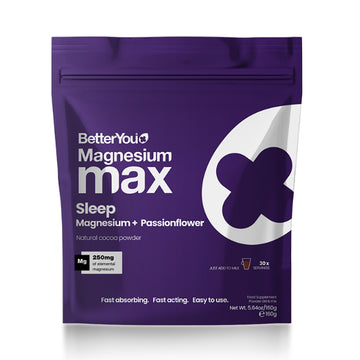
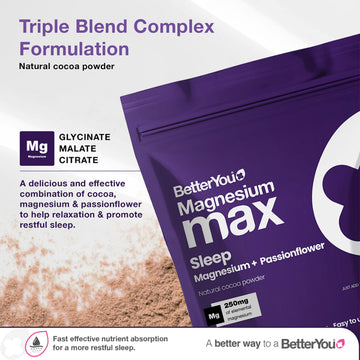
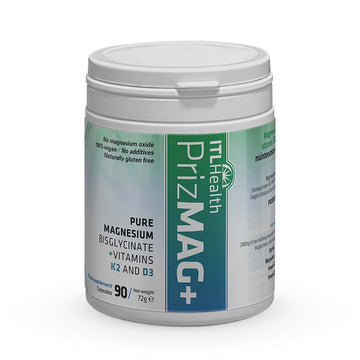
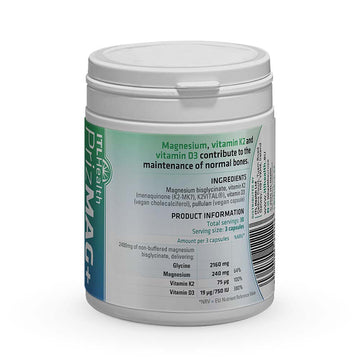
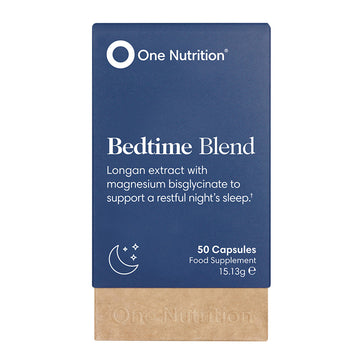
Magnesium supplements have become increasingly popular as part of an evening routine, with magnesium bisglycinate in particular frequently associated with sleep and relaxation.
But does magnesium actually help you sleep? Which type of magnesium should you choose? And is it better to take magnesium at night?
Here’s what you need to know.
Why Is Magnesium Associated With Sleep?
Magnesium is an essential mineral that your body needs for many everyday functions.
Among its recognised roles, magnesium contributes to:
- Normal functioning of the nervous system
- Normal psychological function
- Normal muscle function
- Normal energy production
- The reduction of tiredness and fatigue
These functions help explain why magnesium has become such a popular part of evening wellbeing routines.
However, magnesium isn't a sleeping tablet or a treatment for insomnia.
Sleep is complicated, and everything from stress and caffeine to your daily routine and sleep environment can affect how well you sleep.
Does Magnesium Help You Sleep?
Research has explored the relationship between magnesium and sleep, but the answer isn't as straightforward as some supplement claims can make it sound.
Some studies have found links between magnesium intake or magnesium supplementation and aspects of sleep, while the overall evidence is still mixed.
There are also differences between studies in the people taking part, the type and amount of magnesium used and how sleep was measured.
So we wouldn't say that taking magnesium will automatically help you fall asleep faster or sleep through the night.
What we do know is that magnesium contributes to normal nervous system function and normal psychological function, and getting enough magnesium is part of supporting your overall health and wellbeing.
For some people, taking magnesium also fits naturally into a wider evening routine designed to help them wind down before bed.
Can Magnesium Help You Relax?
Magnesium is frequently talked about as a mineral for relaxation and calm. There's a good reason for some of this interest: magnesium contributes to normal functioning of the nervous system and normal psychological function.
However, it's important not to turn that into a promise that taking magnesium will immediately make you feel relaxed. Think about magnesium as one part of the bigger picture. Regular movement, time outdoors, a consistent bedtime routine and finding ways to switch off at the end of the day can all contribute to your overall wellbeing.
Which Magnesium Is Best for Sleep?
This is probably the biggest question people have when choosing a magnesium supplement.
You'll find several different forms, including:
There's no officially recognised “best magnesium for sleep”, but magnesium bisglycinate is one of the forms most commonly chosen for an evening routine.
Magnesium Bisglycinate for Sleep
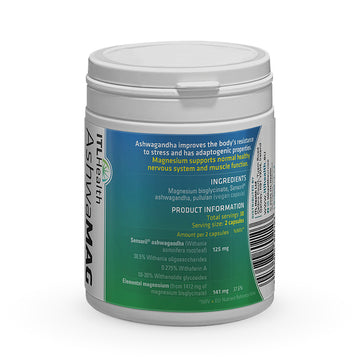
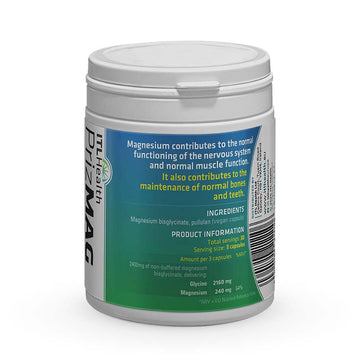
Magnesium bisglycinate, also commonly called magnesium glycinate, combines magnesium with an amino acid called glycine. It's become particularly popular for evening use because it's generally well tolerated and is frequently included in supplements positioned around sleep and relaxation.
Glycine itself has also been studied in relation to sleep. However, the amount of glycine in a magnesium bisglycinate supplement can be very different from the amounts used in studies looking specifically at glycine.
So it's better to choose magnesium bisglycinate primarily as a source of magnesium, rather than assuming the glycine will have a particular effect on your sleep.
If you're interested in this form specifically, read our complete guide to Magnesium Bisglycinate: Benefits, Uses and How to Take It.
What About Magnesium Citrate?
Magnesium citrate is another popular and widely available form.
It provides magnesium and is commonly found in powders that can be mixed with water, making it easy to include in an evening routine.
Some people find magnesium citrate has more of a laxative effect, particularly at higher amounts. If you're looking for a form that's generally gentle on the stomach, this may be one reason to compare it with bisglycinate.
Neither form is automatically better. What matters is finding a suitable magnesium supplement that provides an appropriate amount and works well for you.
Our guide to Types of Magnesium: Which Form Is Best for You? explains the differences in more detail.
What About Magnesium Sprays and Baths Before Bed?
Magnesium isn't only available as a tablet, capsule or powder.
You'll also find topical magnesium in products such as:
- Magnesium sprays
- Magnesium oils
- Bath flakes
- Body lotions and gels
A warm bath, massage or evening skincare routine can be a lovely way to wind down before bed, and topical magnesium products are popular for exactly this reason.
However, evidence that meaningful amounts of magnesium are absorbed through healthy skin is limited.
So we'd make a distinction between the two uses.
If you want to increase your magnesium intake, an oral supplement provides a measurable amount of magnesium.
If you enjoy a magnesium bath or body product as part of your wind-down routine, that's a different reason for using it.
When Is the Best Time to Take Magnesium for Sleep?
There's no set time when everybody needs to take magnesium. If you're using magnesium as part of your evening routine, taking it around the same time each evening may simply make it easier to remember.
Some people take magnesium with their evening meal, while others prefer it later in the evening. Check the directions on your particular supplement, including whether it should be taken with food.
And don't worry if taking magnesium in the evening doesn't suit you. Magnesium can also be taken earlier in the day.
How Much Magnesium Should You Take for Sleep?
There isn't a specific amount of magnesium that's recommended purely for sleep.
Instead, look at how much actual magnesium your supplement provides and follow the recommended serving on the product.
The Nutrient Reference Value (NRV) for magnesium is 375mg per day, but that doesn't mean you need to get 375mg from a supplement. Your diet contributes magnesium too and more isn't automatically better.
If you take a multivitamin or other supplements, check whether they already contain magnesium before adding another product.
Can You Get Magnesium From Food?
Absolutely.
Magnesium occurs naturally in many everyday foods, including:
- Nuts
- Seeds
- Beans and pulses
- Whole grains
- Green leafy vegetables
- Cocoa
A varied diet should always be the starting point for meeting your nutritional needs.
Interestingly, some magnesium-rich foods – such as nuts and seeds – can also work well as part of an evening snack if you're hungry before bed.
How Do You Know If You're Getting Enough Magnesium?
It's easy to see tiredness, poor sleep or feeling stressed and assume you must need more magnesium. Unfortunately, it's rarely that simple. While magnesium contributes to the reduction of tiredness and fatigue, poor sleep doesn't automatically mean you're low in magnesium.
If you're concerned about your magnesium intake, look at your diet as a whole and speak to an appropriate healthcare professional if necessary.
Persistent tiredness or ongoing sleep problems are also worth discussing with your GP rather than trying to solve them with supplements alone.
Magnesium Works Best as Part of a Healthy Sleep Routine
If better sleep is your goal, don't put all the pressure on one supplement.
Some of the simplest habits can make a meaningful difference to your sleep routine.
Try to:
- Keep your bedtime and waking time reasonably consistent
- Reduce caffeine later in the day
- Give yourself time to wind down before bed
- Reduce bright screens close to bedtime if they keep you awake
- Keep your bedroom dark, quiet and comfortable
- Get regular movement during the day
- Spend time outdoors in natural daylight
- Avoid very large meals immediately before bed
Take a look at our blog 7 Ways to Get Your Sleep Cycle Back On Track for some more ideas. A magnesium supplement can sit alongside these habits rather than replacing them.
Can You Take Magnesium Every Night?
Many magnesium supplements are designed for daily use when taken according to their directions. If taking your magnesium in the evening helps you remember it, there's generally no reason it needs to be moved to another time of day.
However, magnesium supplements aren't suitable for everyone. Speak to your doctor or pharmacist before taking magnesium if you have kidney problems, another relevant medical condition or take regular medication.
Magnesium can affect how certain medicines are absorbed, including some antibiotics, so you may need to leave a gap between them.
Frequently Asked Questions
Does magnesium make you sleepy?
Magnesium isn't a sedative and shouldn't be expected to make you suddenly feel sleepy. It contributes to normal nervous system function and normal psychological function, which is one reason magnesium has become popular as part of an evening wellbeing routine.
What is the best magnesium for sleep?
There isn't one officially recognised best type of magnesium for sleep. Magnesium bisglycinate is particularly popular for evening use because it's generally well tolerated. Magnesium citrate and other forms also provide magnesium.
Is magnesium glycinate good for sleep?
Magnesium glycinate – another commonly used name for magnesium bisglycinate – is one of the forms you'll most frequently encounter in supplements marketed for sleep and relaxation.
However, it isn't a sleeping tablet, and evidence shouldn't be interpreted as showing that everyone who takes it will sleep better.
How long before bed should I take magnesium?
There's no universally recommended number of minutes or hours before bedtime. Follow the directions on your individual supplement. Some people simply include magnesium with their evening meal or regular bedtime routine.
Can I take magnesium in the morning instead?
Yes. Magnesium doesn't have to be taken at night. If morning is more convenient or better suited to the directions on your supplement, you can take it then.
Is magnesium citrate or glycinate better for sleep?
There's no strong basis for saying one is universally better for sleep.
Bisglycinate is particularly popular for evening routines and is generally well tolerated. Citrate is another popular form but can have more of a laxative effect for some people.
Can magnesium help if I keep waking up during the night?
There isn't enough evidence to promise that magnesium will prevent waking during the night. Frequently waking, struggling to fall asleep or consistently waking too early can have many causes. If sleep problems are persistent or affecting your daily life, speak to your GP.
Can I take magnesium with other sleep supplements?
That depends on the products involved. Check the ingredients carefully because combined sleep formulas may already contain magnesium. If you're taking medication or several supplements together, ask your pharmacist for advice.
So, Should You Take Magnesium for Sleep?
Magnesium has become one of the most talked-about supplements for sleep, and magnesium bisglycinate in particular is now a popular part of many people's evening routines.
But it's worth keeping expectations realistic.
Magnesium contributes to normal nervous system function and normal psychological function, but it isn't a sleeping tablet. Research into magnesium and sleep is interesting, but it doesn't mean taking a magnesium supplement will automatically solve poor sleep.
If you'd like to try magnesium, focus on choosing a suitable form, checking how much magnesium it actually provides and using it alongside good sleep habits.
Not sure which form to choose? Read Types of Magnesium: Which Form Is Best for You?, or take a closer look at Magnesium Bisglycinate: Benefits, Uses and How to Take It.
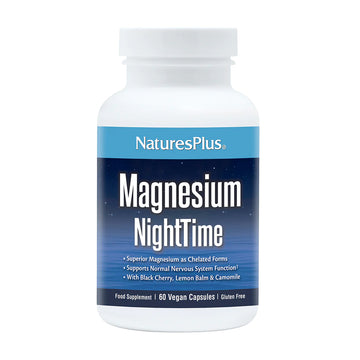
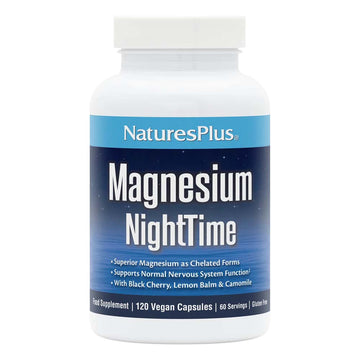
You can also explore Evergreen's full range of magnesium supplements.
Evergreen – Good Health, Naturally.
Updated 1st September 2026.