

Which Vitamins for Pregnancy? Explore this nutritional support guide
Pregnancy is an exciting time, but it can also come with plenty of questions, especially when it comes to what to eat in pregnancy and which vitamins you actually need. As your body changes to support your growing baby, your nutritional needs change too. While a varied, balanced diet should provide much of what you need, there are certain nutrients that deserve particular attention before conception and throughout pregnancy.
The good news? You don't need to overhaul your entire diet overnight. A few simple nutritional priorities can make pregnancy nutrition feel much more manageable.
What should you eat during pregnancy?
There is no need to literally “eat for two”. Pregnancy is about eating well, not eating twice as much. A varied diet built around vegetables, fruit, wholegrains, protein-rich foods, dairy or suitable alternatives, nuts and seeds can provide a broad range of essential nutrients.
Try to include a source of protein with your meals, such as:
- Eggs
- Fish and lean meat
- Beans, lentils and chickpeas
- Tofu and other soya products
- Nuts and seeds
- Dairy products or fortified alternatives
Colourful vegetables and fruit can provide vitamins, minerals and fibre, while wholegrains, potatoes and other starchy carbohydrates provide energy. You don't need a perfect diet every day. Think variety and consistency rather than perfection. If you're vegetarian or vegan, additional planning may be needed to make sure you're getting enough nutrients including iron, iodine, vitamin B12, vitamin D, omega-3 fats and choline.
Which vitamins are important during pregnancy?
While your overall diet matters, several nutrients are particularly important during pregnancy.
Folate and folic acid
Folate is one of the most important nutrients to consider when planning a pregnancy.
Folic acid is the supplemental form of folate and is particularly important during the earliest stages of pregnancy, when your baby's neural tube is developing. In Ireland, the HSE recommends that women who are pregnant or could become pregnant take 400 micrograms of folic acid daily, ideally starting before pregnancy and continuing until 12 weeks. Some women may need a higher prescribed dose depending on their individual circumstances.
Alongside supplementation, include folate-rich foods such as:
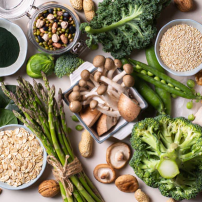
- Spinach and other leafy green vegetables
- Broccoli and Brussels sprouts
- Peas
- Chickpeas and beans
- Citrus fruits
- Fortified foods
You may see methylfolate used in some pregnancy supplements. It is a form of folate used by the body, but the important thing is to choose a pregnancy supplement that provides an appropriate amount of folate/folic acid and follows current pregnancy guidance.
Iron
Your iron requirements increase during pregnancy as your blood volume expands and your baby develops. Iron contributes to normal red blood cell formation and oxygen transport, making it an important nutrient for both mum and baby.
Good food sources include:
- Lean red meat
- Eggs
- Lentils and beans
- Dark green vegetables
- Nuts and seeds
- Fortified breakfast cereals
If you're relying mainly on plant sources of iron, including vitamin C-rich foods such as peppers, broccoli, berries and citrus fruit alongside meals can help with iron absorption. If you are concerned about your iron levels, speak with your GP or maternity team rather than simply taking a high-dose iron supplement. Your individual needs can be assessed through appropriate testing.
Vitamin D during pregnancy
Vitamin D is another key nutrient to consider during pregnancy.
It helps maintain normal bones and muscles and plays an important role in calcium metabolism. Because vitamin D levels can be difficult to maintain through diet and sunlight alone in Ireland, the HSE recommends a daily vitamin D supplement during pregnancy. Food sources include oily fish and eggs, while some fortified foods also contain vitamin D. As with all supplements during pregnancy, check the amount provided by your pregnancy multinutrient to avoid accidentally doubling up.
Why is iodine important in pregnancy?
Iodine helps your body make thyroid hormones, which are important for normal growth and development. Pregnancy increases the need for iodine, and the HSE notes that it can be difficult to get enough from diet alone. Many pregnancy multivitamins contain iodine, so it's worth checking the label when choosing one.
Good food sources include dairy products, eggs and some fish. If you don't eat dairy or follow a vegan diet, it's particularly important to discuss your nutritional requirements with your GP, midwife or maternity team.
Omega-3 during pregnancy
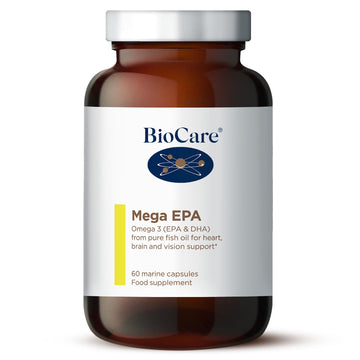
Omega-3 fatty acids, particularly DHA, are important for your baby's brain and eye development. The HSE recommends eating one to two portions of oily fish a week, with suitable options including salmon, mackerel, herring, trout and sardines.
However, pregnancy does come with specific advice about which fish to eat and how much. Some fish contain higher levels of mercury, so always follow current pregnancy food-safety guidance. If you don't eat fish, particularly if you're vegetarian or vegan, speak with your GP or maternity team about whether an omega-3 supplement containing DHA would be appropriate.
Don't forget choline
Choline is an often-overlooked pregnancy nutrient.
It is involved in normal cell function and is particularly important during your baby's development. Eggs are one of the richest dietary sources, while other sources include meat, fish, soya foods, beans and some vegetables. If you follow a vegan or vegetarian diet, pay particular attention to your overall choline intake and discuss supplementation with a qualified healthcare professional if needed. It's also worth checking the label of your pregnancy multinutrient, as not all pregnancy supplements contain choline.
Supporting your gut microbiome
Your gut microbiome is another part of overall wellbeing during pregnancy. The simplest place to start is with your diet. Eating a variety of plant foods provides fibre and other compounds that support a diverse gut microbiome.
Try to include a mixture of:
- Vegetables
- Fruit
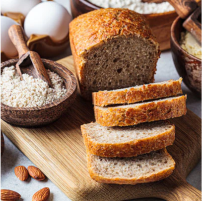
- Wholegrains
- Beans and lentils
- Nuts and seeds
- Fermented foods such as live yoghurt, where suitable
If you're considering a probiotic or live bacteria supplement during pregnancy, choose one specifically suitable for pregnancy and discuss it with your healthcare professional rather than assuming every probiotic is appropriate.
What about a pregnancy multinutrient?
With so much to think about during pregnancy, a suitable pregnancy multinutrient can be a convenient way to help cover key nutritional requirements alongside a healthy diet. Look for a formula specifically designed for pregnancy rather than simply taking a general multivitamin.
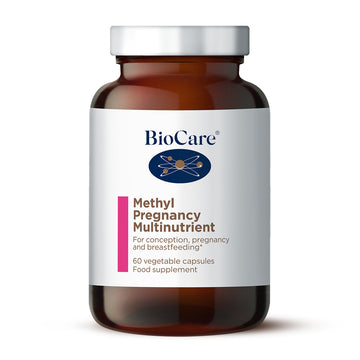
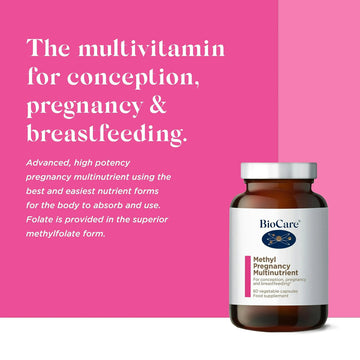
For example, BioCare's Methyl Pregnancy Multinutrient is formulated specifically for women during preconception, pregnancy and breastfeeding, providing nutrients including folate, iron, iodine and other vitamins and minerals. It's important to remember that a supplement is there to complement your diet, not replace it. If you're already taking several individual supplements, check the labels carefully to avoid unnecessarily doubling up on nutrients.
Pregnancy nutrition for vegetarians and vegans
A well-planned plant-based diet can provide many of the nutrients you need during pregnancy, but there are some nutrients that require particular attention.
These include:
- Vitamin B12
- Iron
- Iodine
- Vitamin D
- Calcium
- Omega-3 fats
- Choline
- Folate
The HSE specifically recommends that pregnant women following vegetarian or vegan diets make sure these nutrients are adequately covered. If you're unsure whether your diet is meeting your needs, speak to your GP, midwife or a registered dietitian for personalised advice.
First trimester vitamins: what matters most?
The first trimester is a particularly important time nutritionally because major stages of your baby's development happen very early in pregnancy. If you're trying for a baby, don't wait for a positive pregnancy test to start thinking about folic acid. Current Irish guidance recommends taking 400 micrograms daily before pregnancy and through the first 12 weeks.
Vitamin D is also recommended during pregnancy, while your overall diet should provide a wide range of other nutrients. If you have a medical condition, take medication, have had a previous pregnancy affected by a neural tube defect, or have another risk factor, speak with your GP about whether you need additional support or a different dose of certain nutrients.
A simple approach to pregnancy nutrition
Rather than trying to remember a long list of individual vitamins, think about the bigger picture:
-
Build meals around whole foods.
Aim for plenty of vegetables and fruit, wholegrains, protein-rich foods and healthy fats. -
Prioritise the key nutrients.
Folate/folic acid, vitamin D, iron, iodine, omega-3 and choline all deserve attention during pregnancy. -
Choose a pregnancy-specific supplement if appropriate.
A well-formulated pregnancy multinutrient can help complement your diet. -
Check your individual needs.
Vegetarian and vegan diets, medical conditions and certain medications may change your nutritional requirements. -
Don't forget food safety.
Pregnancy comes with specific advice around foods such as unpasteurised products, undercooked foods and certain fish, so check current guidance.
Frequently asked questions
What are the most important vitamins during pregnancy?
Folate/folic acid and vitamin D are particularly important, alongside nutrients such as iron and iodine. Omega-3 fats and choline are also important parts of a balanced pregnancy diet.
When should I start taking pregnancy vitamins?
Ideally, nutritional preparation starts before conception. In particular, the HSE recommends taking 400 micrograms of folic acid daily before pregnancy and through the first 12 weeks.
What should I eat during pregnancy?
Focus on a varied diet containing vegetables, fruit, wholegrains, protein-rich foods, dairy or fortified alternatives, nuts and seeds. Include suitable oily fish as recommended by current pregnancy guidance.
Do I need a pregnancy multivitamin?
Not everyone will need the same supplements. However, a pregnancy-specific multinutrient can be a convenient way to complement a healthy diet. Check the nutritional profile and speak to your healthcare professional if you're unsure what you need.
Can I take my usual multivitamin when pregnant?
Not necessarily. Some nutrients, particularly vitamin A in certain forms and doses, need particular care during pregnancy. Choose a product specifically formulated for pregnancy and check with your GP or pharmacist if you're unsure.
Key takeaways
-
A balanced pregnancy diet should provide the foundation, with plenty of vegetables, fruit, wholegrains, protein, healthy fats and suitable dairy or fortified alternatives.
-
Folic acid is a key first-trimester nutrient. In Ireland, 400 micrograms daily is recommended before pregnancy and through the first 12 weeks, unless a higher prescribed dose is needed.
-
Vitamin D, iron, iodine, omega-3 and choline are also important nutrients to consider during pregnancy, with individual requirements depending on diet and circumstances.
-
Vegetarian and vegan pregnancies need careful planning, particularly for vitamin B12, iron, iodine, vitamin D, omega-3 and choline.
-
A pregnancy-specific multinutrient can complement a healthy diet, but supplements should be chosen carefully and personalised advice sought where needed.
References
-
Health Service Executive. Folic acid when planning a pregnancy. 2026.
-
Health Service Executive. Healthy eating during pregnancy. 2026.
-
Health Service Executive. National Clinical Guideline: Nutrition During Pregnancy.
-
Health Service Executive. Vegetarian and vegan diets in pregnancy. 2025.
-
Shaw GM, Finnell RH, Blom HJ, et al. Choline and risk of neural tube defects in a folate-fortified population. Epidemiology. 2009;20(5):714–719.
-
Hollis BW, Johnson D, Hulsey TC, et al. Vitamin D supplementation during pregnancy: double-blind, randomized clinical trial of safety and effectiveness. Journal of Bone and Mineral Research. 2011;26(10):2341–2357.
-
Birch EE, Carlson SE, Hoffman DR, et al. The DIAMOND Study: DHA intake and measurement of neural development. American Journal of Clinical Nutrition. 2010;91:848–859.
-
Hekmatdoost A, Vahid F, Yari Z, et al. Methyltetrahydrofolate vs folic acid supplementation in idiopathic recurrent miscarriage. PLoS One. 2015;10(12):e0143569.
-
Biocare Bump to Bay Nutritional Support During Pregnancy Article