

Calcium Benefits: What Calcium Does and How to Get Enough
Calcium is one of the best-known minerals, largely because of its connection with bones and teeth. But calcium also has several other important functions in the body, including helping normal muscles and nerves to work properly.
Most people can get calcium from food, but understanding where calcium comes from, how much you need and when supplements may be useful can make it easier to support a balanced diet.
In this guide, we explain what calcium does, the best food sources of calcium, how calcium works alongside nutrients such as vitamin D and magnesium, and what to consider if you are thinking about a calcium supplement.
What is calcium?
Calcium is an essential mineral that your body needs every day. Most of the calcium in the body is stored in the bones and teeth, where it helps support their normal structure. A smaller amount circulates in the blood and is involved in functions including muscle contraction and nerve signalling. Because the body cannot make calcium, it needs to come from your diet.
What does calcium do in the body?
Calcium has several recognised nutritional roles.
Calcium contributes to:
- the maintenance of normal bones
- the maintenance of normal teeth
- normal muscle function
- normal neurotransmission
- normal energy-yielding metabolism
- normal blood clotting
- the normal function of digestive enzymes
Calcium is also needed for the normal growth and development of bones in children.
What are the benefits of calcium?
Calcium supports normal bones
Calcium is one of the main minerals found in bone and contributes to the maintenance of normal bones. Bone health depends on more than calcium alone, however. Regular weight-bearing exercise, vitamin D, protein and an overall balanced diet are also important.
Calcium supports normal teeth
Calcium contributes to the maintenance of normal teeth. As with bones, teeth rely on a combination of nutrients and everyday oral care.
Calcium contributes to normal muscle function
Calcium is involved in the process that allows muscles to contract and relax. It therefore contributes to normal muscle function, alongside other nutrients including magnesium and potassium.
Calcium plays a role in normal nerve function
Calcium contributes to normal neurotransmission, which is the process used by nerve cells to communicate.
How much calcium do you need?
Calcium requirements vary according to age and life stage. Rather than concentrating solely on supplements, it is usually helpful to look first at how much calcium you are getting from your everyday diet.
People who avoid dairy, eat a restricted diet or have particular nutritional requirements may need to pay closer attention to calcium intake.
If you are unsure whether you are getting enough calcium, a dietitian or healthcare professional can help assess your individual needs.
What foods are high in calcium?
Dairy foods are some of the best-known sources of calcium, including:
- milk
- yoghurt
- cheese
Calcium can also be found in a variety of non-dairy foods, including:
- fortified plant drinks
- tofu made with calcium
- tinned fish with edible bones
- some leafy green vegetables
- nuts and seeds
- beans and pulses
The amount of calcium varies considerably between foods, so checking nutrition labels can be useful, particularly for fortified products.
Can you get enough calcium without dairy?
Yes. A dairy-free diet can still provide calcium, but it may take a little more planning.
Fortified plant drinks can make an important contribution, while foods such as tofu, beans, nuts, seeds and certain vegetables can also provide calcium.
If you follow a vegan or dairy-free diet, it is worth checking food labels regularly because the calcium content of different products can vary.
What is the relationship between calcium and vitamin D?
Calcium and vitamin D are closely connected.
Vitamin D contributes to the normal absorption and utilisation of calcium and phosphorus, and it also contributes to the maintenance of normal bones. For this reason, calcium and vitamin D are often found together in supplements.
You can read more about vitamin D in our dedicated Vitamin D guides.
Calcium and magnesium: why do they matter together?
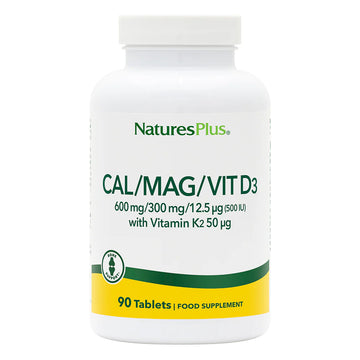
Calcium and magnesium are both essential minerals, but they have different roles. Both contribute to normal muscle function and the maintenance of normal bones.
You do not need to think of one as “balancing out” the other in a simple ratio. What matters most is getting enough of both as part of a balanced diet.
Read our full guide to Calcium and Magnesium: Why the Balance Matters for more detail.
What are the different types of calcium supplement?
Calcium supplements come in several forms.
Calcium citrate
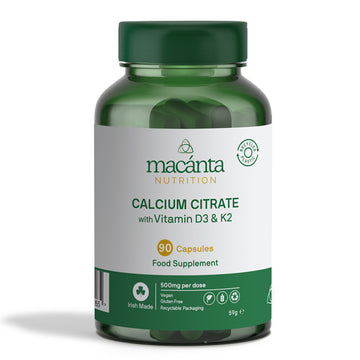
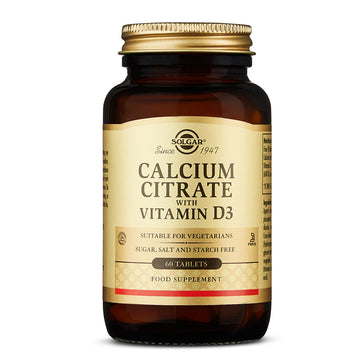
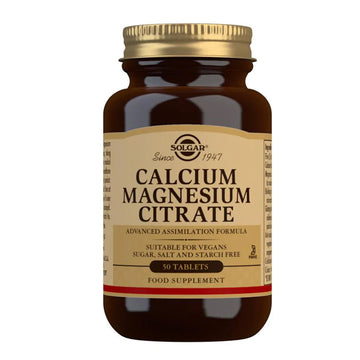
Calcium citrate is one of the most commonly used forms of calcium in supplements. It is often combined with vitamin D and may suit people looking for a calcium supplement in tablet or capsule form.
Calcium carbonate
Calcium carbonate is another widely used form of calcium. Because different forms provide different amounts of elemental calcium, it is important to compare labels rather than looking only at the total weight of the compound.
Liquid calcium
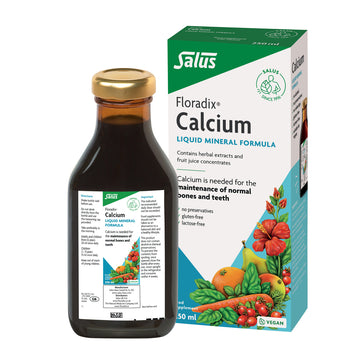
Liquid calcium can be a useful alternative for anyone who prefers not to take tablets or capsules. The amount of calcium per serving varies by product, so always check the label.
Calcium citrate vs calcium carbonate: what’s the difference?
The main differences relate to how much elemental calcium each form provides and how they are usually taken.
Calcium carbonate contains a higher proportion of elemental calcium and is generally best taken with food.
Calcium citrate contains less elemental calcium by weight but can be taken with or without food.
Neither form is automatically right for everyone. The most suitable option will depend on the product, your diet and individual needs.
Do you need a calcium supplement?
Not necessarily. Many people can meet their calcium requirements through food alone.
A supplement may be useful where dietary intake is low or where someone has been advised to increase calcium intake, but it should not automatically replace calcium-rich foods.
If you have concerns about your calcium intake, a dietitian, pharmacist or doctor can help you decide whether supplementation is appropriate.
Calcium for women and healthy ageing
Calcium becomes a particularly important nutrient to think about as we get older because maintaining normal bone health remains important throughout life.
Women may pay particular attention to calcium intake around and after menopause, when changes in bone metabolism can occur.
Calcium should still be considered alongside other factors including vitamin D, protein, physical activity and overall diet.
Can you take too much calcium?
Yes. More is not always better. Taking high amounts of calcium from supplements can result in intakes that are well above what you need. It is therefore important to follow the product directions and consider your total intake from both food and supplements.
If you have kidney problems, a history of kidney stones or take regular medication, speak to your healthcare professional before taking a calcium supplement.
Calcium FAQs
What is calcium good for?
Calcium contributes to the maintenance of normal bones and teeth, normal muscle function, normal neurotransmission and normal blood clotting.
What does calcium do for the body?
Calcium plays roles in bones, teeth, muscles, nerve signalling and several normal metabolic processes.
What foods are rich in calcium?
Dairy products, fortified plant drinks, tofu, nuts, seeds, pulses, certain vegetables and fish with edible bones can all provide calcium.
Is calcium citrate better than calcium carbonate?
Neither is universally better. They contain different amounts of elemental calcium and are taken slightly differently. The right choice depends on the product and individual needs.
Should calcium be taken with vitamin D?
Vitamin D contributes to the normal absorption and utilisation of calcium, which is why the two are often combined in supplements.
Can you take calcium and magnesium together?
Yes, they are commonly found together in supplements. Both are essential minerals and contribute to normal muscle function and bone health.
Choosing the right calcium supplement
A balanced diet should always be the starting point for calcium intake.
If you do decide to use a supplement, compare the type of calcium, amount per serving, additional nutrients and format to find the option that best suits your needs.
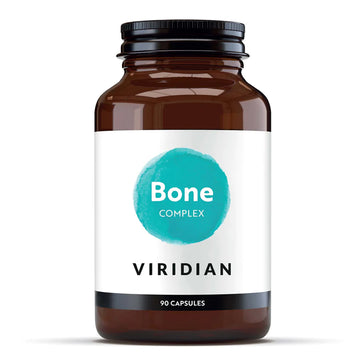
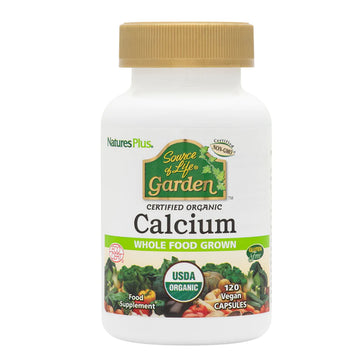
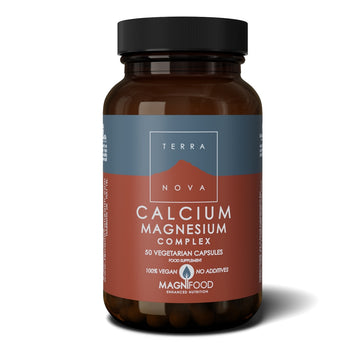
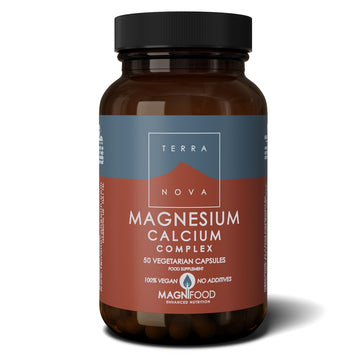
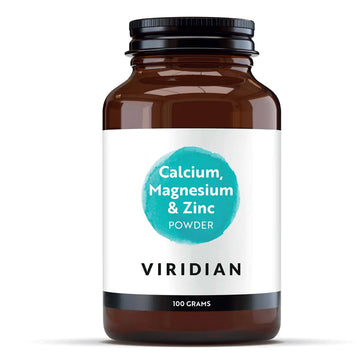
Explore Evergreen’s Calcium Supplements range, including calcium citrate, liquid calcium and combination formulas with nutrients such as vitamin D and magnesium.