

Arnica is one of the most well-known herbal remedies used to support the body after bumps, bruises and muscle strain. Traditionally used in herbal practices for centuries, this bright yellow mountain flower continues to be a popular choice in modern natural wellness and bodycare.
Often referred to as the “guardian of muscles and bruises”, arnica is widely used in creams, gels and oils designed to support recovery and comfort after physical activity or minor injury.
What Is Arnica?
Arnica is a perennial flowering plant from the sunflower family that grows naturally in mountain meadows and nutrient-poor soils across Europe.
Its use dates back to at least the 12th century, where it was referenced by the herbalist and healer Hildegard of Bingen.
Despite its delicate appearance, arnica is a resilient plant that thrives in harsh mountain environments. Traditionally, this strength has been associated with its use in supporting the body during recovery.
Arnica Benefits
Arnica flowers contain a range of naturally occurring compounds, including:
- flavonoids
- carotenoids
- sesquiterpene lactones
- essential oils
These compounds contribute to arnica’s long-standing use in herbal preparations.
Supports Muscle Recovery
Arnica is commonly used in topical products designed to support muscle comfort and recovery. It is often applied after exercise or physical activity to help soothe tired muscles.
Traditionally Used for Bruising and Swelling
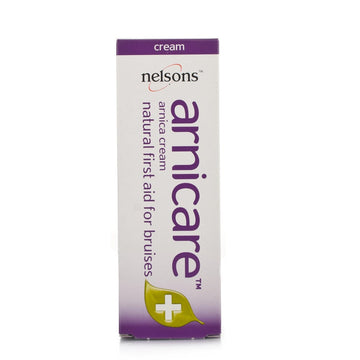
Arnica is widely used in creams and gels for bruises, bumps and swelling. It is often included in first-aid style products designed for everyday knocks and minor injuries.
Supports Circulation
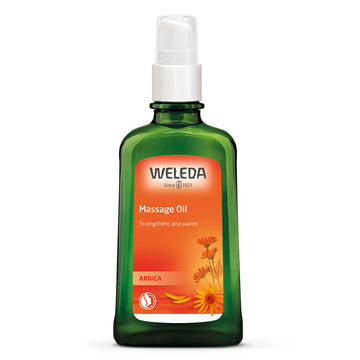
Arnica has traditionally been associated with supporting circulation, which is why it is often used in massage products and bodycare formulations.
Traditionally Used for Joint Comfort
Historically, arnica has been used in herbal practices for joint and muscle discomfort, including stiffness after activity.
How Arnica Works
Arnica contains compounds known as lactones, which are thought to play a role in its traditional use.
In herbal formats, these compounds have been studied for their role in supporting the body’s natural response to physical stress. Arnica is also commonly used in topical applications due to its soothing and revitalising properties.
Types of Arnica: Herbal vs Homeopathic
Arnica is available in two main forms: herbal arnica and homeopathic arnica.
Herbal Arnica
Herbal arnica is made directly from the plant and is typically used in topical products such as gels, creams and oils.
It is commonly used for:
- muscle aches and stiffness
- sprains and strains
- bruising and swelling
- post-exercise recovery
Because of its strength, herbal arnica is generally not taken internally and is instead applied directly to the skin.
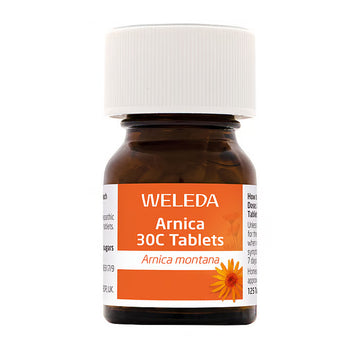
Homeopathic Arnica
Homeopathic arnica is prepared through a process of dilution.
It is often used in:
- tablets
- pellets
Homeopathic arnica is traditionally used to support recovery after bumps, bruises and physical trauma, although scientific evidence is limited and results may vary.
Popular Arnica Products
Arnica is widely available in different formats to suit individual needs.
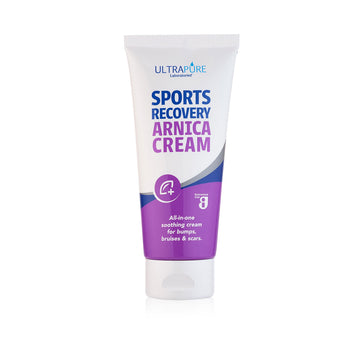
Arnica Gels and Creams
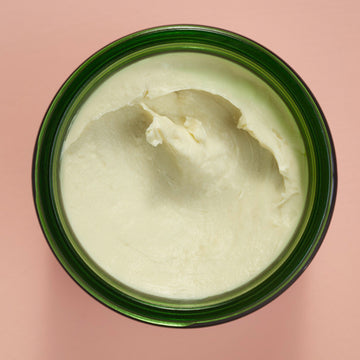
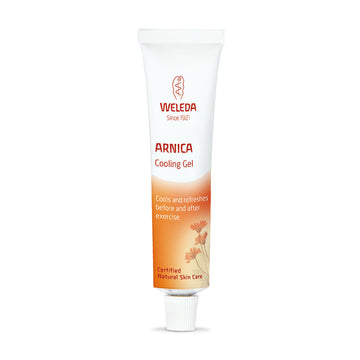
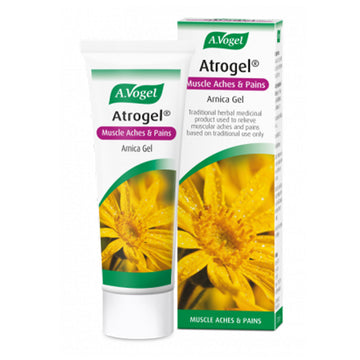
Topical gels and creams are one of the most common ways to use arnica. These can be applied directly to the skin to support targeted comfort and recovery.
Arnica Bath and Body Products
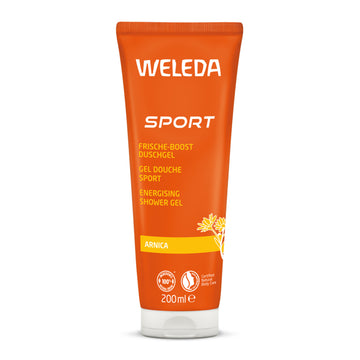
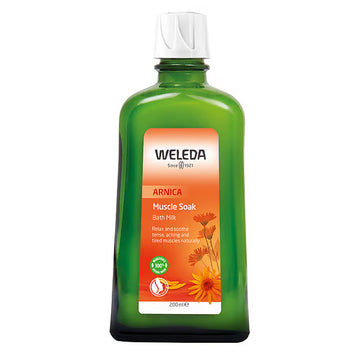
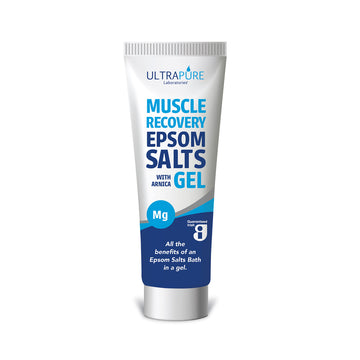
Arnica is also used in muscle soaks and bath products, making it a popular choice after exercise or a long day.
Arnica Tablets (Homeopathic)
Homeopathic arnica tablets are used as a convenient way to incorporate arnica into a routine following minor physical stress or injury.
How to Use Arnica
Arnica is most commonly used topically, applied directly to the skin in the form of:
- gels
- creams
- oils
It is important to follow product instructions and avoid applying arnica to broken or damaged skin.
If using homeopathic arnica internally, always follow the guidance on the product label.
Final Thoughts
Arnica is a well-established herbal remedy with a long history of traditional use. From supporting muscle recovery to its use in creams for bruising and swelling, it remains a popular choice in natural wellness and bodycare.
Whether used as a gel, cream or part of a recovery routine, arnica offers a natural way to support comfort, movement and everyday wellbeing.
References
A.Vogel - What is arnica and does it actually work?
Web MD - Arnica - Uses, Side Effects, and More
US National Library of Medicine - Homeopathic arnica for prevention of pain and bruising: randomized placebo-controlled trial in hand surgery