

Staying properly hydrated isn’t just about drinking enough water.
When we think about staying hydrated, water is usually the first thing that comes to mind. But water is only part of the picture.
Electrolytes are minerals found naturally in the body and in many of the foods we eat. They are involved in everyday processes including fluid balance, muscle function and communication within the nervous system.
You may hear more about electrolytes when exercising, sweating heavily or choosing sports nutrition products, but what exactly are they – and do you need an electrolyte supplement?
What Are Electrolytes?
Electrolytes are minerals that carry an electrical charge when dissolved in fluid.
Some of the main electrolytes in the body include:
- Sodium
- Potassium
- Magnesium
- Calcium
- Chloride
Together, they are involved in maintaining the body's normal fluid balance and supporting processes such as nerve signalling and muscle function.
You can get electrolytes naturally through food and drink, while electrolyte powders, tablets and sachets offer another convenient way to consume them.
What Do Electrolytes Do?
Different electrolytes have different roles in the body.
Sodium
Sodium is found in body fluids and is closely involved in fluid balance. It is also one of the main minerals lost through sweat, which is why it is commonly included in sports and electrolyte drinks.
Potassium
Potassium is found in foods including fruit, vegetables, beans and potatoes. It contributes to normal muscle function and normal functioning of the nervous system.
Magnesium
Magnesium is involved in a wide range of everyday processes. It contributes to electrolyte balance, normal muscle function and normal energy-yielding metabolism. It can be found naturally in foods such as nuts, seeds, wholegrains and leafy green vegetables.
Calcium
Most of us associate calcium with bones and teeth, but it also contributes to normal muscle function and normal neurotransmission.
Dairy foods, fortified alternatives, leafy greens and some nuts and seeds can all provide calcium.
Chloride
Chloride usually enters the diet alongside sodium in the form of salt and is another important electrolyte present in body fluids.
What Do Electrolytes Have to Do With Hydration?
Your body continually balances water and minerals.
When you sweat, you lose both fluid and electrolytes, particularly sodium. The amount you lose varies considerably depending on factors such as the temperature, how much you exercise and how heavily you naturally sweat.
For everyday activity, most people can maintain normal hydration through drinking water and eating a varied, balanced diet.
Electrolyte products may become more relevant during longer or more demanding exercise, particularly where there is considerable sweating.
Some specially formulated carbohydrate-electrolyte solutions can contribute to the maintenance of endurance performance during prolonged endurance exercise and enhance water absorption during physical exercise.
When Might You Consider Electrolytes?
You don't necessarily need an electrolyte drink every time you exercise. For a short walk, everyday activity or a gentle gym session, water may be all you need.
Electrolyte drinks, powders or tablets may be more useful to consider when:
- Exercising for longer periods
- Training intensely
- Sweating heavily
- Exercising in hot weather
- Taking part in endurance activities
- Looking for a convenient hydration option during sport
Your individual needs will depend on the type and duration of activity, how much you sweat and what you are eating and drinking throughout the day.
Electrolytes During Sickness or a Tummy Bug
Vomiting and diarrhoea can cause you to lose both fluids and electrolytes, which makes staying hydrated particularly important when you're unwell.
Taking small, regular amounts of fluid can help replace what has been lost. In some situations, a pharmacist or healthcare professional may recommend an oral rehydration solution (ORS), which contains a specific balance of water, salts and glucose designed for rehydration.
Electrolyte drinks and powders vary in their ingredients and aren't necessarily the same as an oral rehydration solution, so always check the product and follow its directions.
If you are unable to keep fluids down, have signs of significant dehydration, or are concerned about ongoing vomiting or diarrhoea, seek medical advice.
Electrolyte Powder, Tablets, Drops or Drinks: What's the Difference?
Electrolyte supplements come in several formats, so choosing between them often comes down to convenience, ingredients and how you plan to use them.
Electrolyte Powders
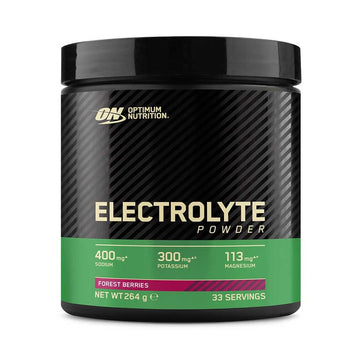
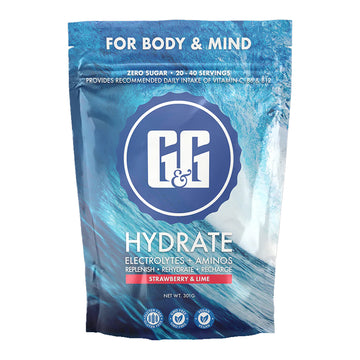
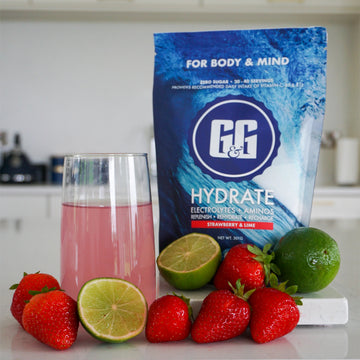
Powders are mixed with water and are a popular option for exercise, travel and active lifestyles.
Some contain electrolytes alone, while others also include carbohydrates, vitamins or other nutrients.
Electrolyte Tablets
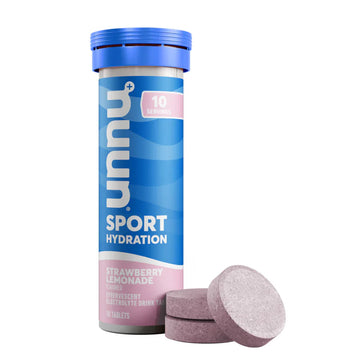
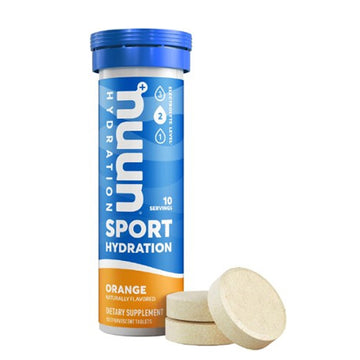
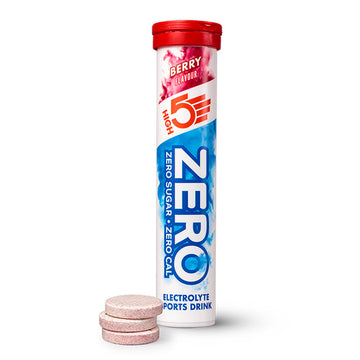
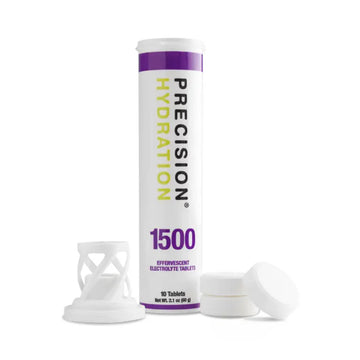
Effervescent electrolyte tablets dissolve in water and can be particularly convenient for carrying in a gym bag or while travelling. They also make it easy to prepare a consistent serving each time.
Electrolyte Drops
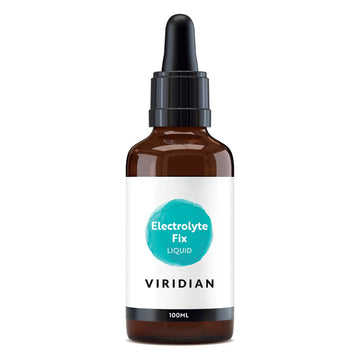
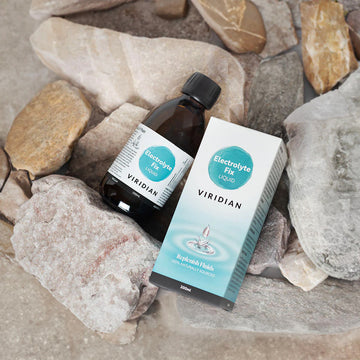
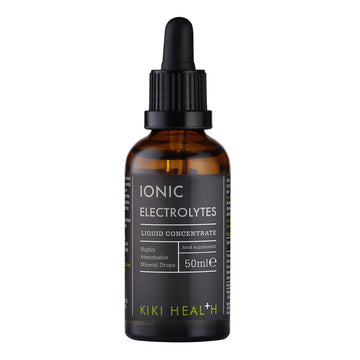
Electrolyte drops are concentrated liquid formulas that can be added directly to water. They're a convenient option if you prefer to adjust the amount you add or want something compact to carry with you.
Formulas vary, so check which minerals are included and follow the serving instructions provided with the individual product.
Electrolyte Sachets and Sticks
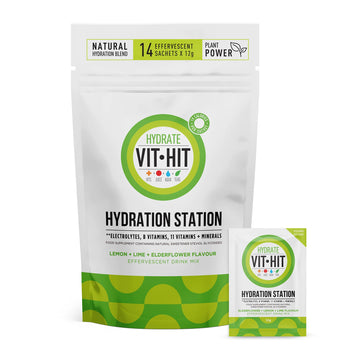
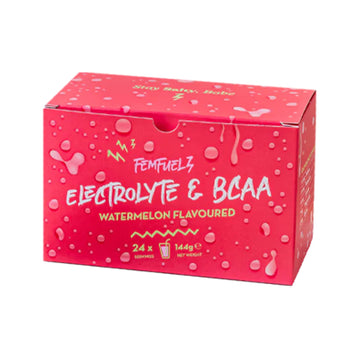
Single-serving sachets and sticks are another convenient option, particularly when you're travelling or on the go. As they're already portioned, they also make preparing a serving straightforward.
Ready-to-Drink Electrolytes
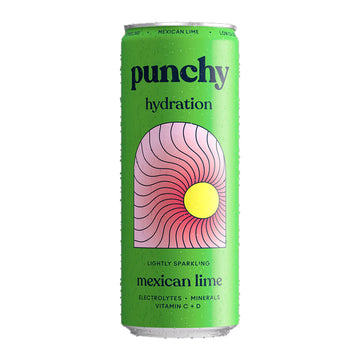
Ready-to-drink electrolyte products require no mixing, making them a convenient choice for the gym, sport or when you're out and about.
There isn't one format that's best for everyone. Compare the electrolytes provided, any additional ingredients, serving size and how you plan to use the product to find the option that best suits your routine.
What Should You Look for in an Electrolyte Supplement?
Electrolyte products vary considerably, so it is worth checking the label rather than assuming they are all the same.
Look at:
- Which electrolytes are included
- The amount of sodium and other minerals per serving
- Whether it contains carbohydrates or added sugars
- Any additional vitamins or ingredients
- The recommended serving size
- Whether the format suits when and where you plan to use it
Someone training for an endurance event may have quite different needs from someone simply looking for a convenient drink to take to the gym.
Can You Get Enough Electrolytes From Food?
For most people, yes.
A varied diet can provide the main electrolyte minerals through everyday foods including:
- Fruit and vegetables
- Nuts and seeds
- Wholegrains
- Beans and pulses
- Dairy foods or fortified alternatives
- Fish and other protein foods
Electrolyte supplements are therefore best viewed as a convenient option for particular situations rather than something everyone needs every day.
Electrolytes and Exercise
Exercise is one of the main reasons people begin looking at electrolyte products.
As exercise becomes longer, hotter or more intense, both fluid and mineral losses through sweat can increase.
Alongside hydration, it is also important to think about your overall nutrition, recovery, sleep and training routine rather than relying on one product alone.
If you're regularly taking part in endurance sport or very demanding training, your nutritional needs may be worth discussing with a suitably qualified sports nutrition professional.
Choosing Electrolytes at Evergreen
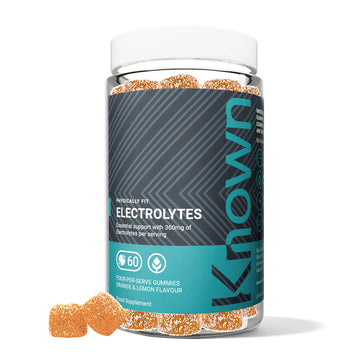
At Evergreen, you'll find a range of electrolyte powders, tablets and hydration products to suit different routines and preferences.
Whether you're looking for something to add to your gym bag, support a longer training session or simply want to understand the options available, checking the ingredients and mineral content is a good place to start.
You can also explore our wider range of sports nutrition products, including magnesium and potassium.
The Bottom Line
Electrolytes are minerals including sodium, potassium and magnesium that are involved in fluid balance and normal muscle and nerve function.
Most people can get what they need through a balanced diet and everyday hydration. However, electrolyte products can provide a convenient way to replace fluids and minerals during longer periods of exercise or heavy sweating.
As with most supplements, the best choice depends on your own diet, activity levels and individual needs.
Evergreen – Good Health, Naturally.
Updated 2nd September 2026