

Rosemary Benefits: What This Herb Is Good For and How to Use It
Rosemary is a well-known aromatic herb that has been used for centuries in traditional herbal practices. Native to the Mediterranean, this evergreen plant is valued not only for its distinctive fragrance but also for its potential to support digestion, circulation and overall wellbeing.
Today, rosemary is commonly used in both culinary and wellness settings, from herbal teas to essential oils and bodycare products.
What Is Rosemary?
Rosemary (Rosmarinus officinalis) is a hardy, evergreen herb that grows naturally in warm, coastal regions. Its name comes from the Latin ros marinus, meaning “dew of the sea”, reflecting its Mediterranean origins.
Historically, rosemary has been associated with memory, love and vitality, and was often used in traditional rituals and herbal preparations.
Rosemary Benefits
Rosemary has long been valued in herbal traditions for its wide range of uses. While research is ongoing, rosemary is commonly used to support several aspects of wellbeing.
Supports Digestion
Rosemary has traditionally been used to support digestion. It is often consumed as a herbal tea or infusion, particularly after meals, and is associated with supporting digestive comfort.
Supports Circulation
Rosemary is known for its warming properties, which is why it is often used in oils and bodycare products designed to support circulation.
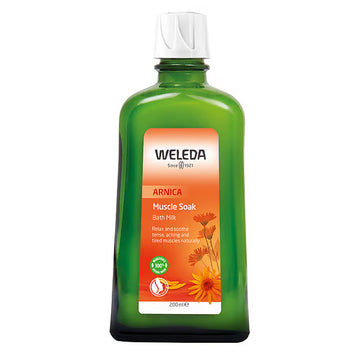
Massage oils and bath products containing rosemary are commonly used as part of a routine to support muscle recovery and overall circulation.
Helps Promote Energy and Focus
The invigorating scent of rosemary is often associated with mental clarity and alertness. Rosemary essential oil is frequently used in aromatherapy to help promote focus and reduce feelings of fatigue.
Traditionally Used for Muscle and Joint Comfort
Rosemary oil has been used in traditional practices to support comfort in muscles and joints. It is often included in massage blends and topical applications.
Natural Antioxidant Properties
Rosemary contains naturally occurring compounds that have antioxidant properties, which help protect the body’s cells from oxidative stress.
Rosemary Oil Benefits
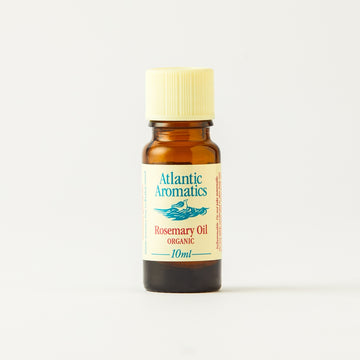
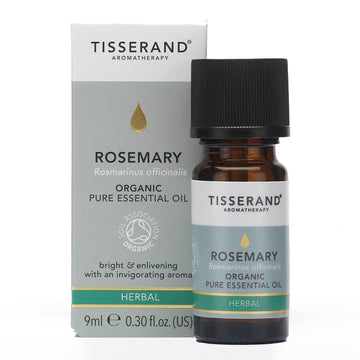
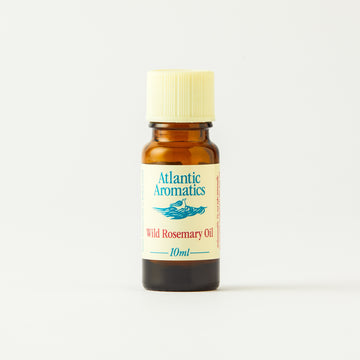
Rosemary essential oil is one of the most popular ways to use this herb in modern wellness routines.
It is commonly used:
- in massage oils to support circulation
- in bath products for relaxation
- in aromatherapy to promote focus and clarity
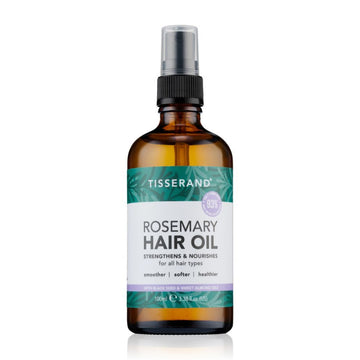
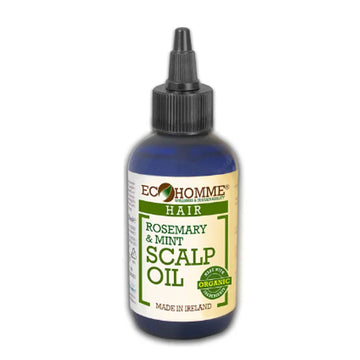
- in skincare, haircare and bodycare products
Its refreshing and herbal scent makes it a popular addition to daily self-care rituals.
How to Use Rosemary
Rosemary can be used in several ways depending on your preference:
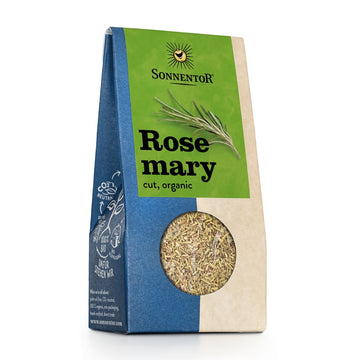
- Herbal tea – made from dried rosemary leaves
- Essential oil – used in aromatherapy or diluted for topical use
- Infusions and oils – applied to the skin as part of bodycare routines
- Culinary herb – used in cooking for both flavour and nutritional value
Rosemary in Natural Bodycare
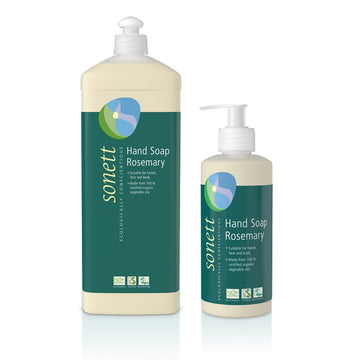
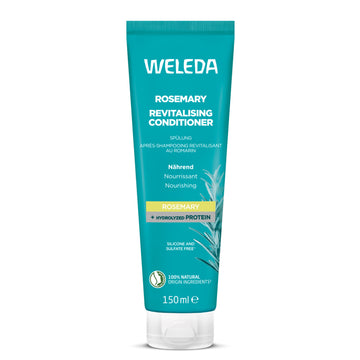
Rosemary extracts are commonly used in natural skincare, haircare and bodycare products. These formulations are often designed to support circulation and revitalisation, making them popular in products aimed at energising the body.
The fresh, uplifting scent of rosemary also contributes to its use in products designed to support wellbeing and relaxation.
Final Thoughts
Rosemary is a versatile herb with a long history of traditional use. From supporting digestion and circulation to its use in essential oils and bodycare products, rosemary continues to be valued in both culinary and wellness practices.
Whether used as a tea, oil or ingredient in natural products, rosemary offers a simple way to support everyday wellbeing.