

How Is Collagen Absorbed? A Guide to Hydrolysed Collagen
When you're choosing a collagen supplement, you may come across terms such as hydrolysed collagen, collagen peptides, marine collagen and bovine collagen. But what do these terms actually mean, and does the type of collagen affect how your body uses it?
Here, we explain how collagen is digested and absorbed and what to consider when comparing different collagen supplements.
What Does Collagen Bioavailability Mean?
Bioavailability describes how much of a nutrient or compound can be absorbed and made available for the body to use.
Like other proteins, collagen is digested after we consume it. The body breaks the protein down into smaller peptides and amino acids, which can then be absorbed through the digestive system.
This is one reason you'll frequently see hydrolysed collagen used in collagen supplements.
What Is Hydrolysed Collagen?
Hydrolysed collagen is collagen that has already been broken down into smaller pieces called collagen peptides.
The terms hydrolysed collagen and collagen peptides are therefore often used to describe the same form of collagen.
Hydrolysed collagen is also highly soluble, which makes collagen peptide powders convenient for mixing into drinks and foods.
Does the Source of Collagen Matter?
Collagen supplements can come from several animal sources. Two of the most common are bovine and marine collagen.
Bovine Collagen
Bovine collagen comes from cattle and commonly provides Types I and III collagen.
It is widely used in collagen peptide powders and is often available as an unflavoured powder that can be added to hot or cold drinks and food.
Marine Collagen
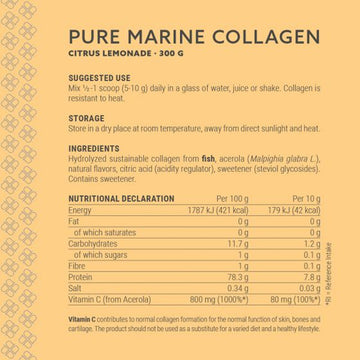
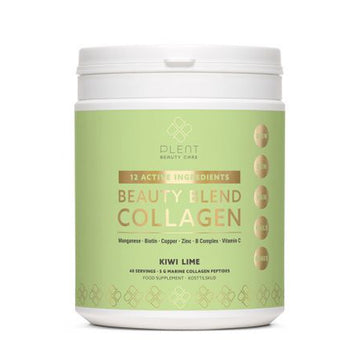
Marine collagen is derived from fish and predominantly provides Type I collagen.
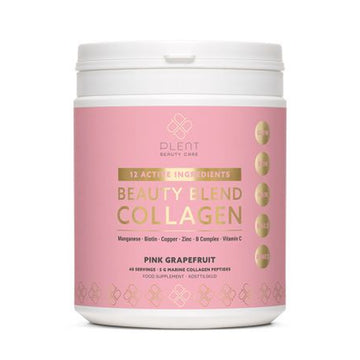
Marine collagen products are another popular option for people who want to add collagen peptides to their routine, particularly those who prefer a fish-derived rather than bovine source.
Explore our Marine Collagen Supplements range to compare different options.
Is Marine Collagen Better Absorbed Than Bovine Collagen?
You may see claims that marine collagen is more bioavailable than other sources of collagen.
The molecular characteristics of collagen peptides can vary depending on their source and how they have been processed. However, this doesn't mean that everyone needs to choose marine collagen or that marine collagen is automatically a better supplement.
Rather than choosing solely on claims about absorption, consider the source, form, amount of collagen provided, other ingredients and how well the product fits into your routine.
What About Type II Collagen?
Type II collagen is the main form of collagen found naturally in cartilage.
It is commonly associated with chicken-derived collagen and is found in some specialist joint formulas.
However, the type of collagen and whether it has been hydrolysed into collagen peptides are two different things. If you're specifically looking for collagen products formulated around joint-health needs, explore our Collagen for Joints collection.
Why Is Vitamin C Often Included with Collagen?
You'll often find vitamin C included in collagen supplements.
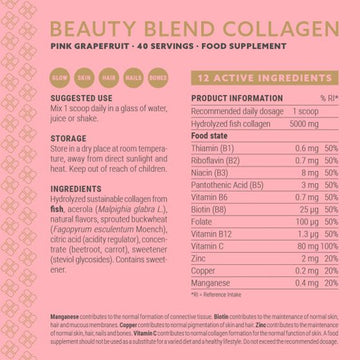
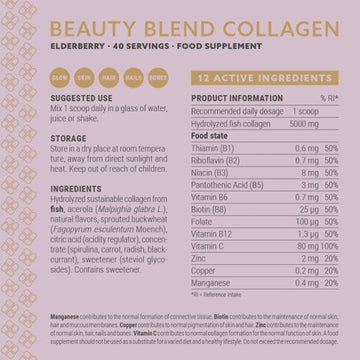
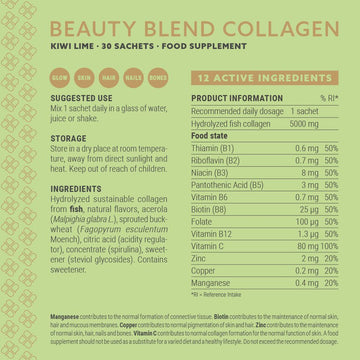
Vitamin C contributes to normal collagen formation for the normal function of the skin, cartilage and bones.
It is therefore a useful nutrient to look for when comparing collagen formulas, although a collagen supplement doesn't necessarily need to contain vitamin C if you're already getting enough through your diet.
Is Vegan Collagen Available?
Collagen itself comes from animal sources, so traditional collagen supplements aren't vegan.
Products marketed as vegan collagen support or collagen builders don't contain collagen. Instead, they usually provide nutrients intended to complement the body's normal collagen production.
Always check the ingredients if you're looking for a vegetarian or vegan option.
How Do You Choose a Collagen Supplement?
When comparing collagen supplements, consider:
- whether the collagen is bovine, marine or another source
- whether it contains hydrolysed collagen or collagen peptides
- the amount of collagen per recommended serving
- powder, capsule, liquid or sachet format
- additional ingredients such as vitamin C
- allergens and dietary preferences
- how easily you'll be able to incorporate it into your routine
There's no single type of collagen that's right for everyone.
If you'd like a broader introduction to the different collagen types, read our What Is Collagen? Benefits, Types & How to Take It guide, or explore our complete Collagen Supplements range.
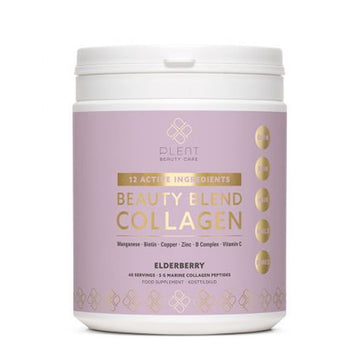
You can also discover the full Plent Collagen range at Evergreen.
Evergreen – Good Health, Naturally.