

The Power of Protein: Benefits, Sources & Protein Powders
Protein has become closely associated with gyms, protein shakes and building muscle, but it is something we all need as part of a balanced diet.
Protein contributes to the growth and maintenance of muscle mass and helps maintain normal bones. It is found naturally in a wide variety of foods, from eggs, dairy and fish to beans, lentils, nuts and seeds. Protein powders and other high-protein products can also offer a convenient way to add protein to your diet when needed.
But how much protein do you actually need? Does it matter where your protein comes from? And how do whey, plant and other protein powders compare?
In this guide, we take you through the basics of protein, its benefits, the different sources available and what to consider when choosing a protein powder.
What is protein?
Protein is one of the three main macronutrients in our diet, alongside carbohydrates and fat.
Proteins are made from smaller building blocks called amino acids. Your body can make some amino acids itself, while others need to come from your diet. These are known as essential amino acids.
Different foods provide different amounts and combinations of amino acids, which is one reason why eating a varied, balanced diet is important.
What does protein do in the body?
Protein is found throughout the body and has many different functions. From an everyday nutrition perspective, two of its best-established benefits are that protein contributes to the growth and maintenance of muscle mass and to the maintenance of normal bones.
That doesn't make protein something only athletes need. It is an essential part of everyone's diet, although how much you need can vary depending on factors such as your body size, age and activity levels.
What are the benefits of protein?
1. Protein supports muscle growth and maintenance
Protein provides amino acids that the body can use to build and maintain muscle.
This makes getting enough protein particularly relevant if you exercise regularly, especially if your routine includes resistance or strength training. However, maintaining muscle mass is important throughout life, not just for people interested in sport or fitness.
2. Protein supports normal bones
Protein also contributes to the maintenance of normal bones.
While nutrients such as calcium and vitamin D tend to receive more attention when we talk about bone health, eating enough protein is another part of maintaining a balanced diet.
3. Protein can help make meals more satisfying
Protein-rich foods can be filling, which is one reason many people choose to include a source of protein with meals and snacks.
Rather than focusing on a "high-protein diet", a more practical approach for most people is to include a variety of protein-containing foods alongside vegetables, fruit, wholegrains and healthy fats.
4. Protein becomes particularly important as we get older
We naturally tend to lose some muscle mass and strength as we age. Staying physically active, particularly through resistance exercise, alongside eating enough protein can therefore become increasingly important as we get older.
We've explored this subject in more detail in our guide to protein and healthy ageing.
How much protein do you need?
There isn't one amount of protein that's right for everyone.
Your protein requirements can be influenced by your body weight, age, activity levels and individual circumstances. People who exercise regularly may have different requirements from someone who is less active, while protein intake can also become an important consideration as we get older.
For healthy adults, a varied diet containing foods such as eggs, dairy, fish, meat, beans, lentils, tofu, nuts and seeds can provide plenty of protein.
Rather than concentrating only on a daily number, it can also be useful to include sources of protein throughout the day.
If you have particular nutritional requirements or aren't sure how much protein is appropriate for you, speak to a dietitian or other suitably qualified healthcare professional.
What foods are high in protein?
Protein isn't just found in meat or protein shakes. There are plenty of everyday sources to choose from.
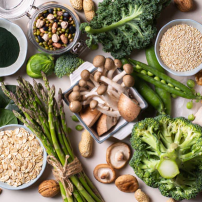
Animal sources include foods such as eggs, fish, meat, milk, yoghurt and cheese, while plant-based sources include beans, lentils, chickpeas, tofu, nuts and seeds.
Choosing a variety of foods also means you're getting the other nutrients they provide.
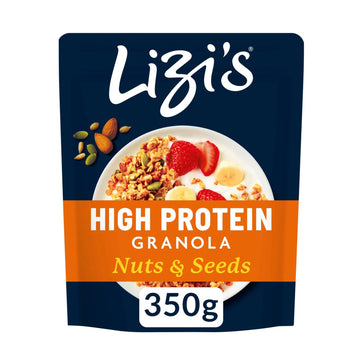
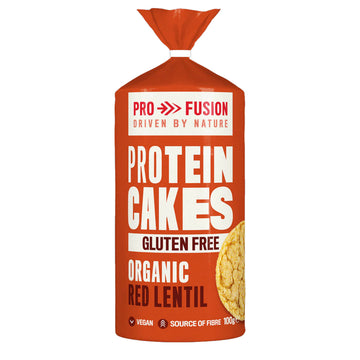
You can explore Evergreen's range of High Protein Foods for convenient ways to add more protein-rich foods to your meals and snacks.
Plant protein vs animal protein: what's the difference?
One of the main differences between protein sources is their amino acid profile.
Animal proteins generally contain all nine essential amino acids in useful amounts and are often referred to as complete proteins.
Some plant foods contain lower amounts of one or more essential amino acids, but that doesn't mean you need to combine particular proteins at every meal. Eating a varied diet containing different plant protein sources across the day can help provide the amino acids your body needs.
There are also plant protein powders that combine different sources of protein in one product.
What is protein powder?
Protein powder is simply a concentrated source of dietary protein.
It can be made from milk or from plant ingredients such as peas, rice or soya. It is generally mixed with water or milk, added to a smoothie or used in recipes.
For most people, protein powder isn't essential. It is perfectly possible to get enough protein through food.
Where protein powders can be particularly useful is convenience. If your lifestyle, appetite or exercise routine makes it difficult to get the protein you want from meals alone, a protein shake provides another option.
Explore our full range of Protein Powders.
What are the different types of protein powder?
Walk into a sports nutrition section and the choice can initially seem confusing. Whey, isolate, clear whey, pea and plant blends all provide protein, but there are some important differences.
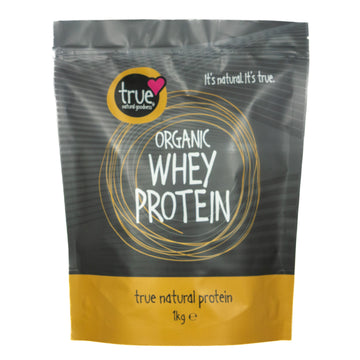
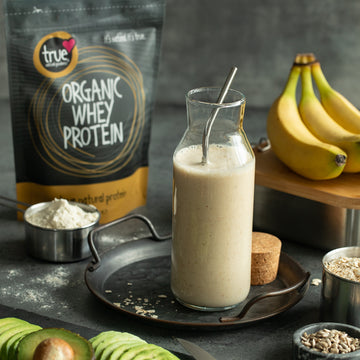
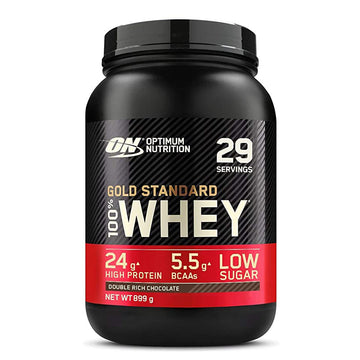
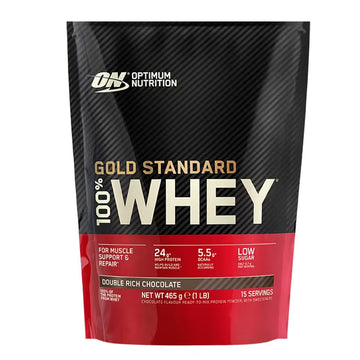
Whey protein
Whey protein comes from milk and is produced during the cheese-making process.
It is a complete protein containing all nine essential amino acids and is one of the most widely used protein powders.
Whey is popular because it mixes easily and provides a convenient source of high-quality protein. You'll commonly find both whey concentrate and whey isolate.
Whey protein isolate
Whey isolate undergoes additional processing to remove more of the fat and lactose found in whey concentrate.
This generally results in a powder with a higher proportion of protein by weight and lower levels of fat and lactose.
That doesn't automatically make isolate "better". The most suitable choice depends on your dietary requirements, preferences and budget.
Clear protein
Clear Protein provides an alternative to the traditional creamy protein shake.
Clear whey products generally use whey protein isolate that has been processed to create a lighter drink, often with a fruit-style flavour.
It can be a useful option for people who want the convenience of a protein drink but prefer something lighter than a milkshake-style protein powder.
Plant protein
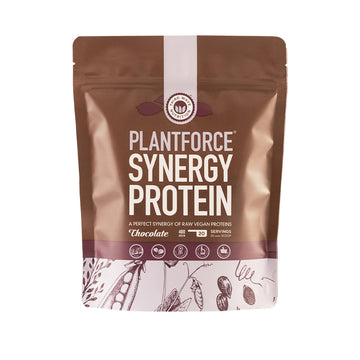
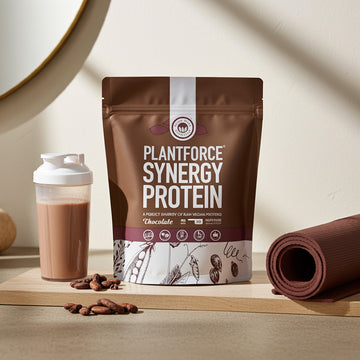
Plant Protein is an alternative for vegans, vegetarians and people who prefer to avoid dairy-based protein powders.
Plant protein powders can be made from ingredients such as peas, rice and soya, with some products combining several plant protein sources into one blend.
Pea protein
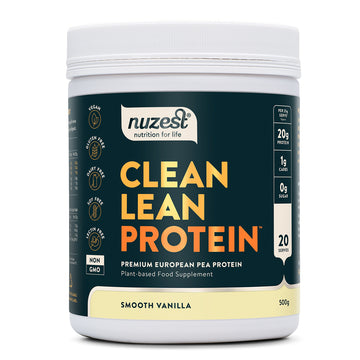
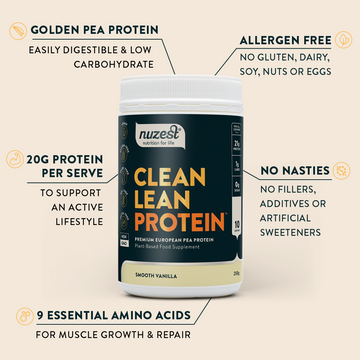
Pea Protein is one of the most popular plant-based protein options.
It can be used on its own or as part of a plant protein blend and can be a particularly useful choice for anyone looking for a dairy-free protein powder.
Weight gain powders
Weight gain or mass-gainer powders are different from standard protein powders.
Alongside protein, they generally provide substantially more carbohydrates and calories. They're designed for people looking to increase their overall energy intake as well as their protein intake, so they shouldn't simply be treated as another type of everyday protein powder.
Which protein powder is best?
There isn't one "best" protein powder for everyone.
The better question is: which protein powder best suits your diet, preferences and lifestyle?
If you eat dairy and want a straightforward protein powder, whey may be a good place to start. If you follow a vegan diet or avoid dairy, look at plant or pea protein. If you dislike creamy shakes, a clear protein may suit you better.
When comparing products, consider the amount of protein per serving, the protein source, ingredients, dietary requirements, flavour and how you're actually likely to use it.
There's little benefit in choosing the theoretically "perfect" protein powder if you don't enjoy drinking it.
Do you need protein powder to build muscle?
No. Protein powder isn't a requirement for building muscle.
Protein contributes to the growth and maintenance of muscle mass, but protein powder is simply one way of getting protein into your diet.
Foods can provide the protein you need, while protein powders offer a convenient alternative when getting enough through meals isn't practical.
Exercise matters too. Resistance training provides the stimulus for developing muscle, while adequate nutrition and protein help support the growth and maintenance of muscle mass.
When is the best time to have protein?
You may have heard that you need to drink a protein shake immediately after exercising or you'll miss your opportunity for recovery.
For most people, there's no need to race for the shaker as soon as a workout ends.
Your overall protein intake is important, and it can be helpful to include protein-containing foods across your meals throughout the day.
A protein shake can certainly be a convenient option around exercise, but it doesn't have to be consumed within a tiny window after your final set.
What about protein bars?
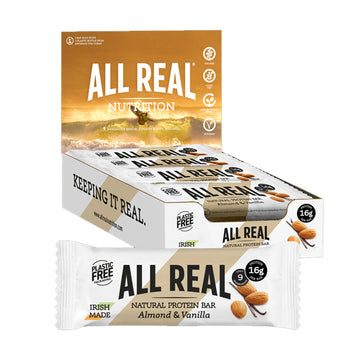
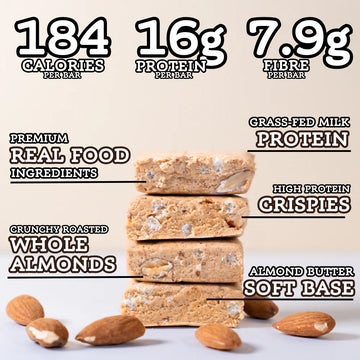
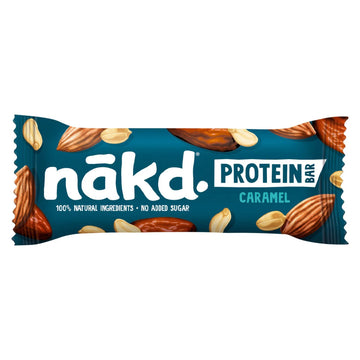
Protein Bars offer another convenient way to include protein when you're away from home or looking for an easy snack.
The amount of protein and overall nutritional profile can vary considerably between products, so check the label rather than assuming all protein bars are the same.
Think of them as another convenient food option rather than something you need simply because you exercise.
Protein and healthy ageing
Protein isn't just important when you're trying to build muscle in the gym.
Maintaining muscle mass becomes increasingly relevant as we get older, when gradual changes in muscle mass and strength can occur naturally.
Eating enough protein alongside staying active and including resistance or strength-based exercise can form part of a healthy lifestyle as we age.
Read our full guide to Protein and Healthy Ageing to learn more.
Can you have too much protein?
More isn't necessarily better.
Protein is an important nutrient, but that doesn't mean everyone needs to follow a very high-protein diet. Your overall dietary pattern still matters, including getting enough fruit, vegetables, wholegrains, healthy fats and fibre.
People with certain medical conditions, particularly kidney disease, may also have specific dietary requirements and should follow advice from their healthcare professional.
If you're considering making a significant change to your protein intake and have an existing health condition, speak to your doctor or dietitian.
Protein FAQs
What does protein do for your body?
Protein has many functions within the body. From a nutrition perspective, protein contributes to the growth and maintenance of muscle mass and to the maintenance of normal bones.
Is it good to eat protein every day?
Protein is an essential macronutrient and should form part of a balanced everyday diet. Your individual requirements will depend on factors including your body size, age and activity levels.
Do I need protein powder?
Not necessarily. Many people can get enough protein from food alone. Protein powder can simply provide a convenient additional source when it suits your diet or lifestyle.
Is plant protein as good as whey protein?
Both can provide useful dietary protein. Whey naturally contains all nine essential amino acids, while the amino acid profile of plant proteins varies between sources. A varied plant-based diet can provide all the essential amino acids your body needs.
The best option therefore depends largely on your dietary preferences and individual needs.
What's the difference between whey and plant protein?
Whey comes from milk, whereas plant protein is derived from plant sources such as peas, rice or soya. Whey isn't suitable for vegans, while plant protein can provide a dairy-free alternative.
Is protein only important if you exercise?
No. Everyone needs protein. It isn't simply a sports nutrition ingredient, although people who exercise regularly may pay closer attention to their protein intake.
Finding the right protein for you
Protein is an essential part of a balanced diet, whether it comes from everyday foods, a convenient snack or a protein shake.
Rather than concentrating on getting as much protein as possible, focus on eating a varied diet and choosing protein sources that suit your lifestyle and dietary preferences.
If you're considering a protein powder, Evergreen has a wide selection of Protein Powders, including Whey Protein, Plant Protein, Pea Protein and Clear Protein.