

How to Choose a Multivitamin: What to Look For
Walk into any supplement aisle and you'll find plenty of different multivitamins to choose from. Some contain a broad mix of vitamins and minerals, while others are designed around particular ages, life stages or dietary preferences. Then there are tablets, capsules, powders, liquids and gummies to consider too.
So, how do you know which multivitamin is right for you?
There isn't one multivitamin that's best for everyone. Your diet, age, lifestyle and individual nutritional needs can all influence what you might want from a supplement. Here are some of the main things to consider.
What is a multivitamin?
A multivitamin combines a selection of vitamins and, often, minerals in one supplement. Depending on the formula, this might include nutrients such as vitamins A, C, D and E, B vitamins, zinc, selenium, magnesium, iodine or iron.
The amounts and combinations can vary considerably, which is why it's worth looking beyond the word "multivitamin" on the front of the pack and checking what's actually included.
A multivitamin is intended to supplement your diet rather than replace a varied, balanced diet.
Do I need a multivitamin?
Not everyone needs to take a multivitamin. Ideally, we should get as much of our nutrition as possible from a varied and balanced diet. However, supplements can provide a convenient way of adding particular nutrients to your daily routine when appropriate.
Nutritional requirements can also change according to your age, diet and life stage. For example, someone following a vegan diet may be looking for something quite different from a pregnant woman or a parent choosing a supplement for their child.
If you're unsure whether you need a particular nutrient or supplement, speak to your GP, pharmacist or another appropriately qualified healthcare professional.
What should I look for in a multivitamin?
Rather than simply looking for the multivitamin with the longest ingredient list, think about what you actually need from it.
Start with the label.
Look at which vitamins and minerals are included and how much of each nutrient the recommended daily serving provides.
The Nutrient Reference Value (NRV) shown on supplement labels gives you a useful point of comparison. It tells you how much of the established daily reference amount for that nutrient is provided by a serving. More isn't automatically better. A higher amount of a nutrient doesn't necessarily mean a better multivitamin.
Multivitamins with or without iron?
One difference you'll notice between multivitamins is that some contain iron while others don't. Iron contributes to the normal formation of red blood cells and haemoglobin and to the reduction of tiredness and fatigue.
However, iron requirements aren't the same for everyone, so it shouldn't automatically be a deciding factor when choosing a multivitamin.
Check the label of any supplements you're already taking too. This can help you avoid unintentionally taking the same nutrients from several different products.
If you're unsure whether an iron-containing multivitamin is appropriate for you, ask your GP, pharmacist or healthcare professional.
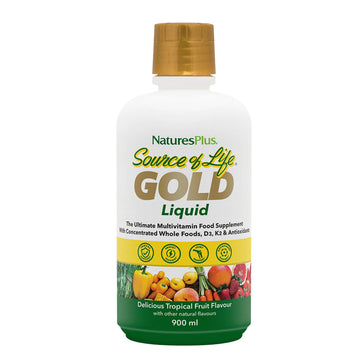
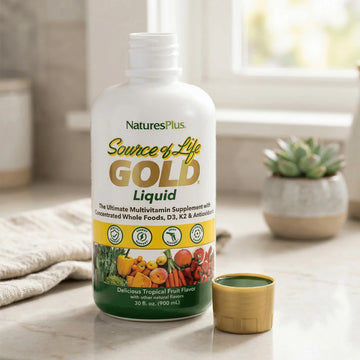
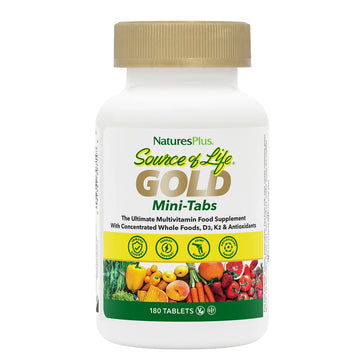
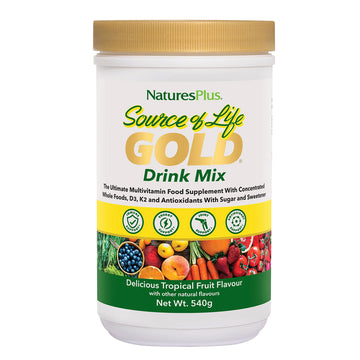
Tablets, capsules, liquids or powders?
The best format is often simply the one you'll find easiest to take consistently.
Tablets and capsules are convenient and easy to add to an established supplement routine.
Powders can be mixed with water or another drink and may suit people who prefer not to swallow tablets.
Liquid multivitamins can also be a useful alternative to tablets or capsules.
Gummies and chewables are another option and are particularly common in children's supplements.
Rather than assuming one format is better absorbed or more effective than another, compare the individual formulas and choose a format that works for you.
You can explore our multivitamins to compare different options.
Should women choose a women's multivitamin?
Multivitamins designed for women often contain a combination of nutrients selected with women's nutritional requirements in mind. Formulas vary considerably, however, so it's still important to check the individual product rather than assuming every women's multivitamin is broadly the same.
You can compare formulas in our Women's Multivitamins collection.
What about men's multivitamins?
The same principle applies to men's multivitamins. These formulas are generally designed around men's nutritional requirements, but the nutrients and amounts included will differ between products.
Our Men's Multivitamins collection brings these options together so they're easier to compare.
How do I choose a multivitamin for children?
Children aren't simply smaller adults, and supplements intended for adults may not be suitable for them. Children's multivitamins are formulated with younger age groups in mind and are available in formats including liquids, powders, gummies and chewables.
Always check the recommended age and serving instructions carefully.
We've covered this in more detail in our guide to How to Choose a Multivitamin for Kids, or you can browse our Kids Multivitamins.
What if I'm vegan or vegetarian?
If you follow a vegan or vegetarian diet, check both the nutrients included and whether the supplement itself is suitable for your diet.
Capsule shells and some other ingredients can differ between products, so don't assume a multivitamin is vegan simply because its nutrients can be obtained from plant sources.
Our Vegan Multivitamins collection can make suitable options easier to find.
What about multivitamins during pregnancy?
Pregnancy is one life stage where nutritional requirements deserve particular attention. Rather than simply choosing a general multivitamin, look for supplements specifically intended for pregnancy and check the recommended nutrients with your GP, pharmacist or midwife.
This is also an area where more isn't necessarily better. For example, supplements containing vitamin A in the form of retinol should be avoided during pregnancy unless advised otherwise by a healthcare professional.
Explore our Pregnancy & Fertility Support range for a hand-picked range of supplements.
Can I take a multivitamin with other supplements?
Potentially, but it's worth checking what you're already taking. A multivitamin can contain nutrients that are also found in standalone vitamin and mineral supplements, so combining several products can mean you're getting the same nutrient from multiple sources. Before adding another supplement, compare the labels.
This is particularly important if you're taking medication, have an existing health condition, are pregnant or breastfeeding, or have been advised to take specific nutrients by a healthcare professional.
So, which multivitamin should I choose?
Start with your needs rather than the number of ingredients on the label.
Consider:
- Your age and life stage
- Your usual diet
- Any dietary restrictions
- Nutrients already provided by other supplements
- Whether you want a tablet, capsule, powder, liquid or chewable
- How easily the supplement will fit into your everyday routine
And remember that a multivitamin isn't a substitute for eating well. Think of supplements as exactly that: something that supplements a varied, balanced diet.
At Evergreen, we've been helping customers navigate vitamins and supplements for more than 30 years. If you're unsure where to begin, our team will be happy to help you understand the different options.