

For years, whey was the default choice for almost everyone looking to hit their protein goals.
Whey protein was easy, accessible, and everywhere. But over the last few years, a lot of active people, from casual gym-goers to endurance athletes, have started paying closer attention to how their bodies react to what they drink after a workout.
The move toward plant-based protein isn't just a trend or something reserved for vegans. It comes down to basic comfort, performance, and how you feel an hour after drinking it.
1. A Much Lighter Feeling in the Gut
If you’ve ever felt heavy, bloated, or slightly sluggish after a standard protein shake, you’re not alone. Whey protein is a dairy byproduct, which means it carries lactose. Even if you don’t have a full-blown dairy allergy, processing concentrated dairy right after a tough workout can be hard on the digestive tract.
Plant-based protein are naturally lactose-free. They digest smoothly without that heavy, sitting-in-your-stomach feeling, letting you carry on with your day without waiting for your stomach to settle.
2. Getting the Full Spectrum of Amino Acids
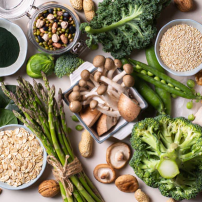
One old misconception about plant protein is that it isn’t "complete." While a single source like brown rice or pea protein on its own might fall short on certain amino acids, combining them solves that completely.
When you blend complementary sources like pea, rice, and hemp, the result is a balanced, highly bioavailable profile that gives your muscles everything they need to rebuild and recover. You get the exact same recovery benefits as traditional Whey protein, just from a different, cleaner source.
3. Keeping the Ingredient List Simple
Because dairy concentrates can carry a distinct taste, traditional powders often rely on heavy artificial sweeteners, thickeners, and synthetic flavorings to mask it. Plant-based options tend to lean much more minimal. Moving away from artificial additives helps reduce unnecessary gut irritation, which often shows up as clearer skin and more consistent daily energy.
Making the Switch
Transitioning to plant-based protein usually comes down to finding a blend that mixes well without that chalky texture people used to associate with plant powders years ago.
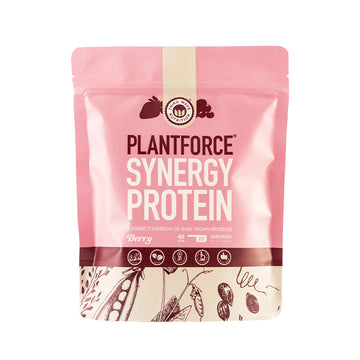
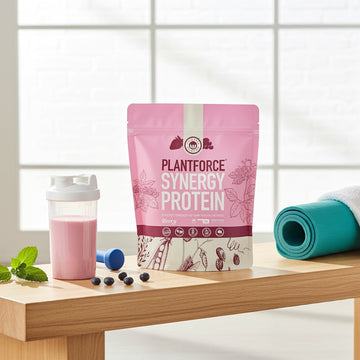
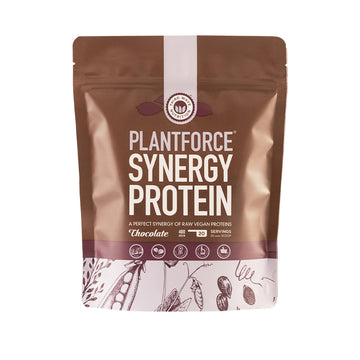
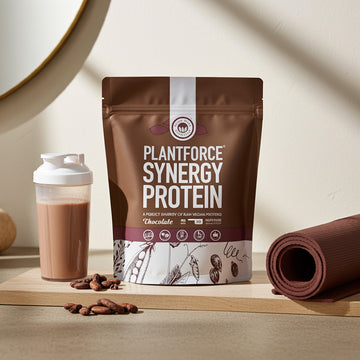
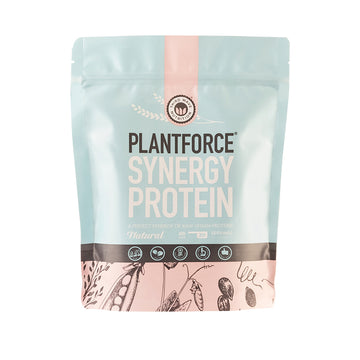
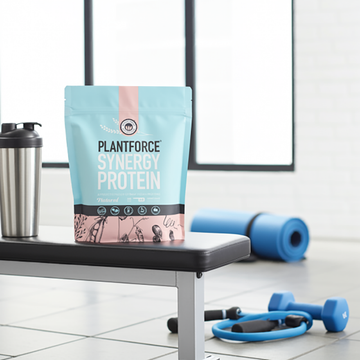
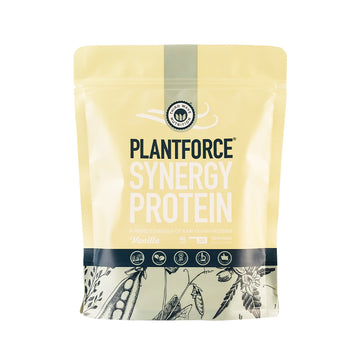
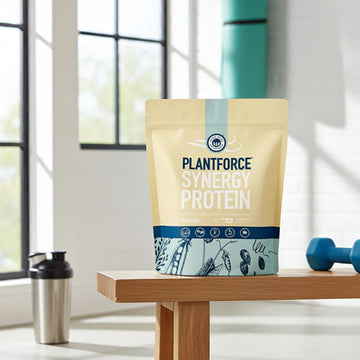
A great example of how far these formulas have come is the Plantforce Synergy Protein line. By combining raw pea, brown rice, and hemp, it hits that sweet spot of a full amino acid profile while staying light on the stomach and mixing easily into a daily smoothie or oats.
Ultimately, your protein shake should leave you feeling refreshed and nourished, not weighed down. Moving to a plant-based option is one of the simplest tweaks you can make to support both your training and your day-to-day health.