

What Is Zinc? Benefits, Foods & How Much Do You Need?
Zinc is one of those nutrients we often hear about, particularly when talking about the immune system, but it actually has a much wider role in our everyday health.
Our bodies only need zinc in relatively small amounts, but it contributes to many normal processes, from supporting the immune system to helping maintain healthy skin, hair and nails.
The good news is that zinc is found naturally in plenty of everyday foods. For some people, however, a zinc supplement can also be a useful way to complement a balanced diet.
So, what exactly does zinc do, which foods contain it, and what should you look for if you're considering a supplement? Here's our straightforward guide.
What is zinc?
Zinc is an essential mineral, which means our bodies need it to function normally but cannot make it themselves. We therefore need to get zinc through our diet.
It is involved in many different processes throughout the body. Zinc contributes to normal immune function, normal fertility and reproduction, normal cognitive function and the maintenance of normal bones, skin, hair and nails. It also plays a role in normal DNA synthesis and cell division.
While that might sound quite scientific, the important point is simple: we only need zinc in small quantities, but it has a surprisingly wide range of roles in keeping the body functioning normally.
What are the benefits of zinc?
Because zinc is involved in so many processes, you'll often see it included in multivitamins as well as supplements designed for particular needs. Some of zinc's recognised roles include:
- contributing to the normal function of the immune system
- helping to maintain normal skin, hair and nails
- contributing to normal fertility and reproduction
- contributing to the maintenance of normal bones
- contributing to normal cognitive function
- helping to protect cells from oxidative stress
- contributing to normal acid-base and carbohydrate metabolism
- contributing to the maintenance of normal vision
Zinc also has a role in the process of cell division and contributes to normal DNA and protein synthesis.
Rather than thinking of zinc as being “for” one particular thing, it can be more helpful to think of it as an essential nutrient that supports a number of normal functions throughout the body.
Zinc and the immune system
Zinc is probably best known for its relationship with immunity. It contributes to the normal function of the immune system, which is why you'll frequently find zinc included in everyday multivitamins and in supplements that combine vitamin C and zinc.
It's worth remembering, however, that supporting your immune system isn't about one nutrient alone. A varied, balanced diet, regular movement, sufficient sleep and a range of vitamins and minerals all have a part to play.
Is zinc good for your skin, hair and nails?
Zinc contributes to the maintenance of normal skin, hair and nails. That makes it relevant when thinking about nutrition for these areas, although—as with immunity—it's important not to look at zinc in isolation.
Healthy hair, skin and nails depend on a varied diet providing a range of nutrients. If you're choosing a supplement specifically with these areas in mind, it's worth looking at the whole formula rather than focusing solely on the amount of zinc it contains.
Which foods contain zinc?
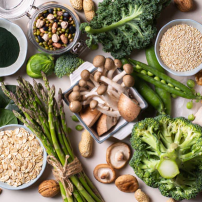
For most people, food should be the starting point. Zinc occurs naturally in a variety of animal and plant foods. Good dietary sources can include:
- meat
- shellfish
- dairy products
- eggs
- beans and pulses
- nuts
- seeds
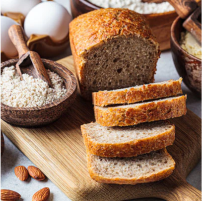
- wholegrains
People who eat a varied diet may already be getting plenty of zinc from their everyday food.
Plant foods can provide zinc too, although some compounds naturally present in plants can make zinc a little harder for the body to absorb. This means people following a vegetarian or vegan diet may want to pay a little more attention to including a variety of zinc-containing foods.
How much zinc do you need?
The amount of zinc you need varies with age and sex. For adults, the Irish Health Service Executive advises approximately 9.5mg a day for men and 7mg a day for women. Most people should be able to get the zinc they need by eating a varied and balanced diet.
More isn't necessarily better when it comes to supplements. Zinc is needed in relatively small amounts, and taking high doses over a long period can interfere with the body's ability to use other minerals, particularly copper.
Always follow the recommended intake on your supplement rather than assuming that a higher-strength product is automatically a better choice.
Who might consider a zinc supplement?
A balanced diet should always be the foundation, but there are times when someone might consider adding a zinc supplement to their routine.
For example, someone whose diet contains fewer zinc-rich foods may want to pay closer attention to their intake. Zinc is also commonly included in multivitamins, men's health formulas and supplements combining several complementary nutrients.
Before adding a separate zinc supplement, check what you're already taking. If your multivitamin or another daily supplement already contains zinc, you may not need an additional product.
If you're unsure about your nutritional needs, particularly if you have a medical condition, take medication, are pregnant or breastfeeding, it's sensible to speak with your doctor, pharmacist or another qualified healthcare professional.
What are the different types of zinc supplements?
If you've started looking at zinc supplements, you may have noticed that the labels don't all simply say “zinc”. You might see zinc citrate, zinc picolinate, zinc gluconate or chelated zinc, for example.
These names describe the different forms in which zinc is provided in a supplement. They can make shopping for zinc seem more complicated than it needs to be.
For most people, a good starting point is to look at the amount of zinc the product actually provides, the recommended serving and whether the format suits you.
What is zinc citrate?
Zinc citrate is simply one form of zinc commonly used in food supplements. You'll find it in both standalone zinc products and some combination formulas.
If you're specifically looking for this form, you can browse our Zinc Citrate Supplements collection.
What is zinc picolinate?
Zinc picolinate is another form you may come across when comparing supplements. Here, zinc is combined with picolinic acid.
You'll sometimes see claims online that one form of zinc is universally “best” or vastly superior to every other form. In practice, supplement choice is more individual than that, and the overall dose, formulation and your own needs are important considerations too.
What does chelated zinc mean?
“Chelated” can sound more complicated than it is. It simply means the zinc has been attached to another substance, usually an amino acid or organic compound. Chelated minerals are commonly used in food supplements.
Rather than worrying too much about technical terminology on the front of the pack, look at the full product information and the amount of zinc supplied per serving.
Can you take zinc and magnesium together?
Yes, you'll often find magnesium and zinc together in the same supplement. They are both essential minerals, but they have different roles in the body. For example, magnesium contributes to normal muscle function and normal energy-yielding metabolism, while zinc contributes to normal immune function and the maintenance of normal skin, hair and nails.
If having both in one product suits your routine, explore our Magnesium & Zinc Supplements.
You can also choose the nutrients separately through our Magnesium Supplements and Zinc Supplements collections.
What about vitamin C and zinc?
Vitamin C and zinc are another popular combination.
Both contribute to the normal function of the immune system and help protect cells from oxidative stress. Vitamin C additionally contributes to the reduction of tiredness and fatigue.
For people who want both nutrients in one product, we have a dedicated Vitamin C & Zinc Supplements collection.
How do I choose a zinc supplement?
With different forms, strengths and combinations available, choosing a zinc supplement can feel more complicated than it really needs to be.
Start with a few simple questions:
- How much zinc does it provide? Check the amount per recommended daily serving.
- Are you already getting zinc elsewhere? Check multivitamins and other supplements you take regularly.
- Which format do you prefer? Tablets and capsules may suit different people.
- Do you want zinc on its own or combined with something else? For example, you might prefer zinc alongside vitamin C or magnesium.
- Do you have particular dietary requirements? Check the individual product information for suitability.
You don't necessarily need the product with the longest ingredient list or highest number on the label. The aim is to find an appropriate supplement that fits your needs and your wider diet.
Can you take too much zinc?
Yes. Although zinc is essential, more isn't always better. Taking high amounts of zinc for prolonged periods can affect the absorption and use of other nutrients, including copper. This is why it's important to follow the recommended intake on the product and consider how much zinc you're receiving from other supplements.
If you've been advised to take a particular amount of zinc for a medical or nutritional reason, follow the advice of your healthcare professional.
The Evergreen view
Zinc is an important nutrient, but you don't need to make it complicated. Start with a varied diet containing a good range of zinc-rich foods. If you decide a supplement is right for you, consider the amount of zinc it provides, what else you're already taking and which form or format best suits your routine.
At Evergreen, you'll find a wide selection of Zinc Supplements, alongside more specific options including Zinc Citrate, Magnesium & Zinc and Vitamin C & Zinc.
And if you're unsure which product is right for you, our team is always happy to help.
Evergreen – Good Health, Naturally.